


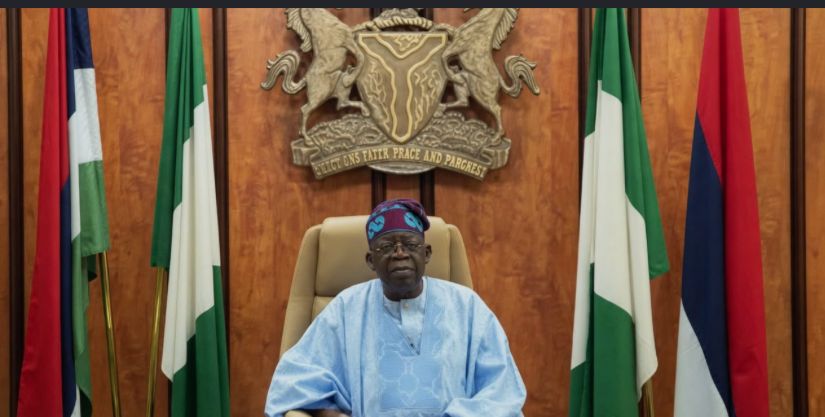
President Bola Ahmed Tinubu has reaffirmed his administration’s commitment to providing reliable electricity to Nigerians, describing it as a fundamental “democratic dividend” despite deep-rooted challenges in the power sector.
In his Democracy Day address on Friday June 12, 2026, He acknowledged that his government inherited a power industry crippled by chronic generation shortfalls, unreliable gas supply, fragile transmission infrastructure, high distribution losses, and a metering deficit of over four million customers.
“Electricity is a democratic dividend we owe every Nigerian. We intend to deliver it,” Tinubu said.
President Tinubu Also noted that despite significant past investments, low plant availability, gas constraints, maintenance issues, and an ageing national grid continue to hinder effective power supply, resulting in frequent grid collapses and forcing many Nigerians to rely on costly alternatives like generators and solar systems.
To tackle these problems, President Tinubu highlighted the signing of the Electricity Act, which empowers states to generate, transmit, and distribute electricity independently.
He also disclosed that the Presidential Power Sector Task Force has been tasked with closing the metering gap, while approval has been granted for a N4 trillion bond to settle verified legacy debts across the value chain.
President Tinubu further pointed to off-grid and mini-grid initiatives by the Rural Electrification Agency, backed by the World Bank and African Development Bank, targeting underserved communities, markets, universities, and hospitals.
Beyond power, the president defended broader economic reforms introduced since May 2023, saying they were necessary to restore fiscal stability and attract investment.
President Tinubu cited improved federation revenues, reduced leakages, growing non-oil exports, and increased domestic refining capacity.
While admitting ongoing economic hardship, Tinubu expressed confidence that the reforms would deliver tangible benefits to Nigerians
