


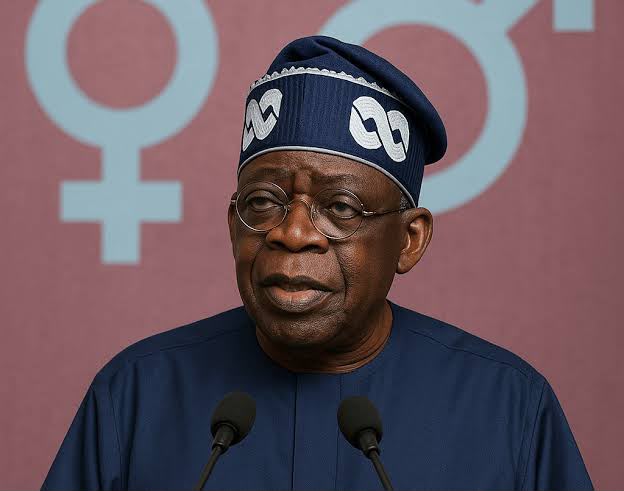
President Bola Tinubu has assured Nigerians that the country’s moribund government-owned refineries will return to operation, but stressed that their revival must deliver real economic value.
Tinubu spoke on Thursday when he received the Executive President of the Nigeria Union of Petroleum and Natural Gas Workers, Salimon Oladiti, and other union members at the Presidential Villa in Abuja.
Responding to concerns over the prolonged delay in reviving the state-owned refineries, the President said his administration was working on a broader economic restructuring that would pave the way for their return.
“The refineries you mentioned are going to come back to work. We’re just building a very firm reset and structural reworking of the economy,” Tinubu said.
He, however, warned that simply restarting the plants would not be enough, insisting that Nigerians must see measurable results.
“Ordinary flame and smoke of a refinery doesn’t mean it’s working, until it’s profitable and yields the value for which it is built,” he said.
The President also appealed to owners of vehicles and trucks running on Compressed Natural Gas, CNG, to allow commuters to benefit from the savings created by the cheaper fuel source.
According to him, the benefits of CNG conversion should not remain with transport operators alone.
“We will do more. We will encourage you, but ask your drivers to let it trickle to the commuters too,” he said.
Read Also: fg-proposes-5-fine-for-erring-oil-firms
Tinubu linked the refinery plans and CNG initiative to his administration’s wider economic reforms, saying the changes had also helped create room for financing major road projects across the country.
He cited projects including the Lagos-Ibadan, Abuja-Kaduna, Abuja-Kano and Sokoto-Badagry roads as examples of infrastructure being supported by the reforms.
The President also recalled his earlier engagement with oil workers at Akodo Resort in Lagos, where he said he made his position on fuel subsidy clear.
He maintained that despite threats of industrial action, his administration would not return to the subsidy regime.
“You may strike all you want, but fuel subsidy will be gone,” Tinubu recalled telling the union.
He said the government would soon make public details of how the savings from subsidy removal had been utilised.
Tinubu also rejected claims that the subsidy reforms had benefited only the government, arguing that regular salary payment and increased funding for different levels of government ultimately affect ordinary Nigerians.
The President said he had accepted responsibility for both the achievements and challenges inherited from previous administrations.
“I’m not a man who looks back at everything, because I’ve accepted the assets and liabilities of my predecessors,” he said.
