


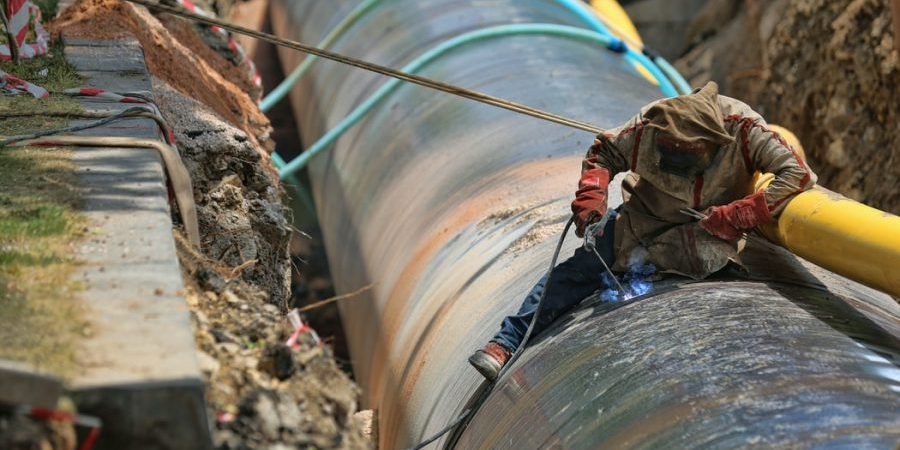
For decades, Nigeria has been described as a nation blessed with enormous natural resources but burdened by unrealized potential. Among those resources is natural gas, a commodity that has become increasingly important in the global energy market. Today, one of the country’s most ambitious infrastructure projects, the Nigeria–Morocco Gas Pipeline, is once again attracting attention as discussions around national development and economic diversification intensify.
The proposed pipeline, valued at approximately $25 billion, is designed to transport Nigerian natural gas through several West African countries before reaching Morocco and eventually connecting to the European energy market. If completed, it would become one of the longest offshore gas pipelines in the world and one of Africa’s most significant infrastructure projects.
Nigeria possesses some of the largest proven natural gas reserves on the African continent, yet much of this potential remains underutilized. The pipeline presents an opportunity to transform gas from a largely untapped resource into a powerful engine of economic growth. Increased exports could generate billions of dollars in revenue, strengthen foreign exchange earnings, and create thousands of jobs across multiple sectors.
Beyond the economic benefits, the project carries significant geopolitical importance. At a time when Europe continues to seek alternative energy sources and reduce dependence on traditional suppliers, Nigeria could position itself as a strategic energy partner. Such a development would not only boost Nigeria’s influence on the international stage but also strengthen diplomatic and economic ties with countries across West Africa and Europe.
However, the excitement surrounding the project is accompanied by legitimate concerns. Financing remains one of the biggest challenges. With a price tag running into tens of billions of dollars, securing adequate funding in a difficult global economic climate will require strong investor confidence and sustained political commitment.
Security is another major obstacle. The pipeline is expected to pass through numerous countries, some of which face security challenges ranging from political instability to terrorism and piracy. Protecting such a massive piece of infrastructure would require unprecedented cooperation among participating nations.
Also see: Nigeria To Host Major International Cybersecurity Conference In Abuja
There is also the question many Nigerians continue to ask: while the country pursues ambitious international projects, what about domestic energy needs? Millions of Nigerians still struggle with unreliable electricity supply despite the country’s abundant gas reserves. Many argue that the government must ensure that large-scale export projects do not overshadow the urgent need to provide affordable and reliable energy at home.
Yet these concerns should not become reasons to abandon the project. Rather, they should serve as reminders that national development requires careful planning, transparency, and accountability. Major infrastructure projects have the power to transform nations, but only when they are managed effectively and aligned with the needs of ordinary citizens.
Can the country finally leverage its vast natural resources to achieve sustainable economic growth? Can it build infrastructure that benefits both local communities and international partners? And can it overcome the challenges that have historically slowed many of its development ambitions?
The answers remain uncertain. What is clear, however, is that the success or failure of this project will say much about Nigeria’s ability to turn potential into progress. For a nation eager to strengthen its economy, create jobs, and assert its place in the global energy market, the stakes could hardly be higher.
If managed correctly, the Nigeria–Morocco Gas Pipeline could help transport Nigeria toward a more prosperous future.
