


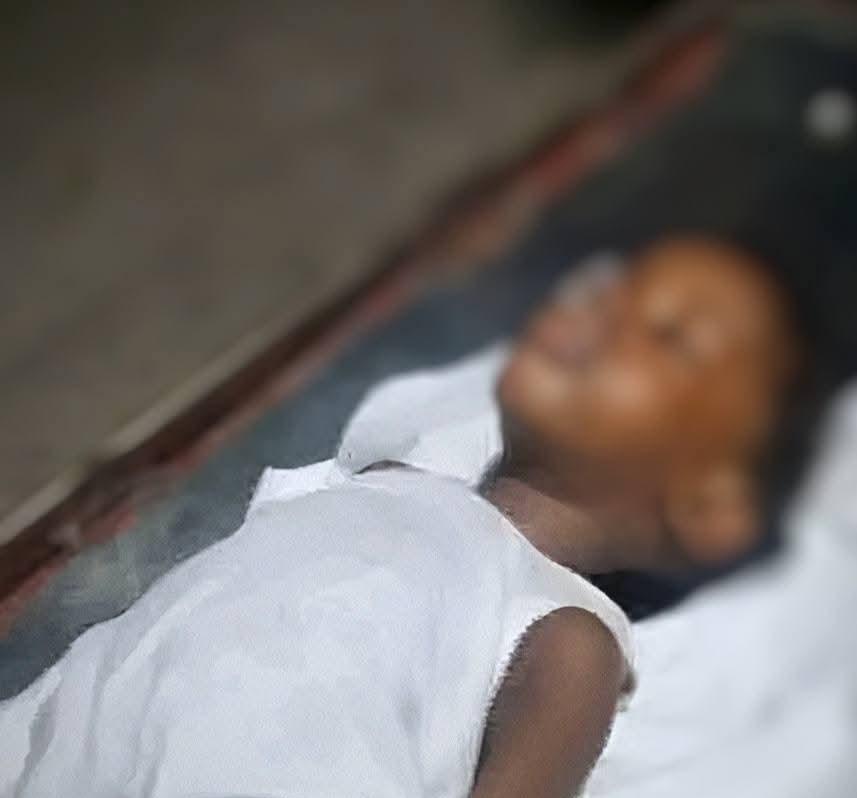
The recent death of a child at Wisdom Gate International School has once again stirred conversations about the fragile line between care and neglect, both at home and in schools. While parents entrust schools with the safety and well-being of their children, incidents like these reveal uncomfortable truths about how health and safety are sometimes overlooked.
For many parents, the daily routine can make monitoring a child’s health feel like a secondary concern. Children are sent to school with minor ailments or lingering fatigue, and often, the assumption is that the school will notice if something goes wrong. Yet, reality paints a different picture. Too often, small complaints headaches, stomach pains, or persistent fatigue are dismissed as trivial, either by parents in the rush of their schedules or by schools assuming the issue will pass.
Schools, as much as parents, carry the responsibility of vigilance. Unfortunately, there have been countless cases where early warning signs are ignored. A tragic memory lingers in the minds of many, which trended on social media, about four years ago, a student lost her life during an inter-house sports competition.
The circumstances surrounding the incident remain unclear to this day, and the school never fully disclosed how the tragedy occurred. That loss, like many before it, serves as a grim reminder of what can happen when health concerns are overlooked, even momentarily.
The recent incident at Wisdom Gate International School exposes the same uncomfortable truth. The child reportedly received prompt medical attention, but the outcome was fatal. While investigations continue, the incident raises urgent questions: How well do schools monitor the health of their students?
Also see: Rivers Improves PHC Laboratory Services Through Specialize Training
Are minor complaints taken seriously, or are they brushed aside as distractions from academic or extracurricular activities? And on the other side, are parents vigilant enough, or is trust in the institution sometimes misplaced?
Experts argue that schools must prioritize a culture of safety, with protocols in place for health checks, immediate response to complaints, and clear communication with parents. Simultaneously, parents should engage proactively with teachers, ensuring that their children’s physical and emotional well-being is monitored regularly. The reality is simple: even a small oversight can have devastating consequences.
Schools and parents share a partnership in the holistic care of children, a partnership that cannot afford negligence. Beyond policies and statements, there must be action, awareness, and a commitment to safeguarding the lives of those entrusted to education systems.
Every child’s health is a responsibility that starts at home but must be reinforced in school. When either side falters, the consequences can be irreparable. Perhaps the greatest lesson from these tragedies is not just grief, but a call to vigilance, empathy, and accountability, ensuring that no more young lives are lost to neglect, whether at home or under the watchful eyes of educators.
