


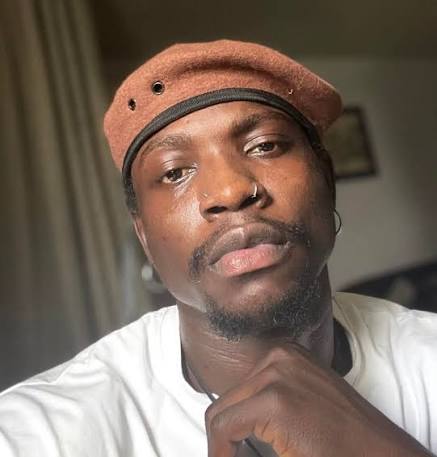
Nigeria’s social media space has once again been thrown into intense debate following the trending rape allegation that was publicly handled by controversial online activist VeryDarkMan. The case, which began as a story that drew both sympathy and questions, has left Nigerians raising serious questions about justice, mental health, and the power of the internet.
The drama started when a young Nigerian TikToker, popularly known as Mirabel, shared an emotional video alleging that she was raped in her apartment after being intoxicated. In the viral clip, she narrated how she was allegedly taken advantage of while in a vulnerable state.
As the story spread, celebrities, influencers, and activists joined the conversation. Many users used the opportunity to highlight the growing issue of sexual violence in the country, while others warned about the dangers of social media trials without proper investigation.
However, the situation took a dramatic twist when VeryDarkMan stepped in. Known for his bold and sometimes controversial approach to online activism, he began digging into the claims. He questioned inconsistencies in the narrative and repeatedly called on the accuser to provide evidence. His live sessions and updates quickly drew millions of views, turning the case into one of the biggest online discussions of the moment.
Days later, things escalated when audio recordings surfaced online, allegedly revealing Mirabel admitting that the story was fabricated. In the recording, she reportedly cited mental health struggles, panic attacks, and emotional instability as reasons for creating the false narrative. She also claimed that fake accounts connected to the case were created by her.
The revelation shocked many Nigerians who had initially shown strong support. While some applauded VeryDarkMan for what they described as “exposing the truth,” others expressed concern about the impact such incidents could have on real victims of sexual assault.
The case has since ignited heated debates across the country. Many social media users have condemned false allegations, arguing that they can destroy reputations and discourage real victims from speaking up. On the other hand, some voices have urged compassion, pointing out that mental health should not be ignored and that the situation may require psychological intervention rather than only punishment.
Beyond the individuals involved, the controversy has reignited conversations about the role of social media in justice. Experts and observers have questioned whether online activism helps or harms investigations, and whether public pressure can sometimes distort the truth.
