


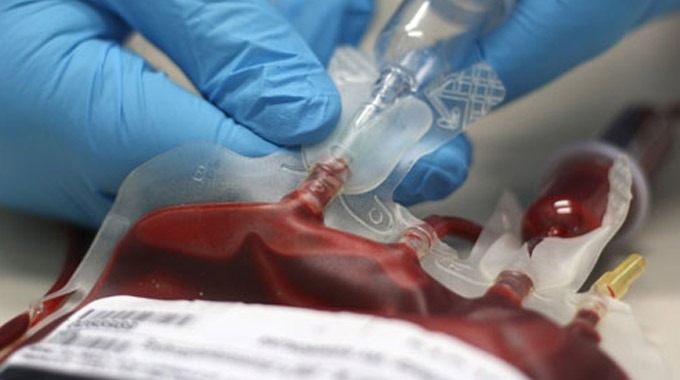
Hospitals across Nigeria are battling worsening blood shortages, raising serious concerns for emergency care and patient survival. With voluntary donations steadily declining, many facilities now rely heavily on family donors and commercial donors—an approach experts warn is unsafe.
Despite continuous awareness campaigns by the National Blood Service Commission, voluntary donor turnout remains low. Hospitals report frequent delays in securing blood for accident victims, childbirth complications, and surgeries.
Experts say harmful myths continue to discourage donations. Many Nigerians still believe giving blood causes weakness, infertility, or long-term health problems. Religious and cultural fears, combined with growing distrust of the healthcare system, also fuel low participation.
Read also:FG Warns of Rising NCD Crisis
Economic challenges add to the problem. Rising transportation costs and tight work schedules make voluntary donation inconvenient for many people, giving room for paid donors—who often operate without proper screening and pose a higher infection risk.
Nigeria needs about two million units of safe blood annually, but the current voluntary supply falls far short. To improve availability, the Commission is partnering with NGOs, faith-based groups, and corporate organizations to encourage younger Nigerians to donate regularly.
Health professionals warn that without a strong culture of voluntary blood donation, Nigeria’s emergency response system will remain weak. They urge the public to embrace donation and for government to invest in mobile donor units, incentives, and stronger awareness campaigns.
Until then, hospitals continue to improvise, leaving many patients at risk when every second counts.
