


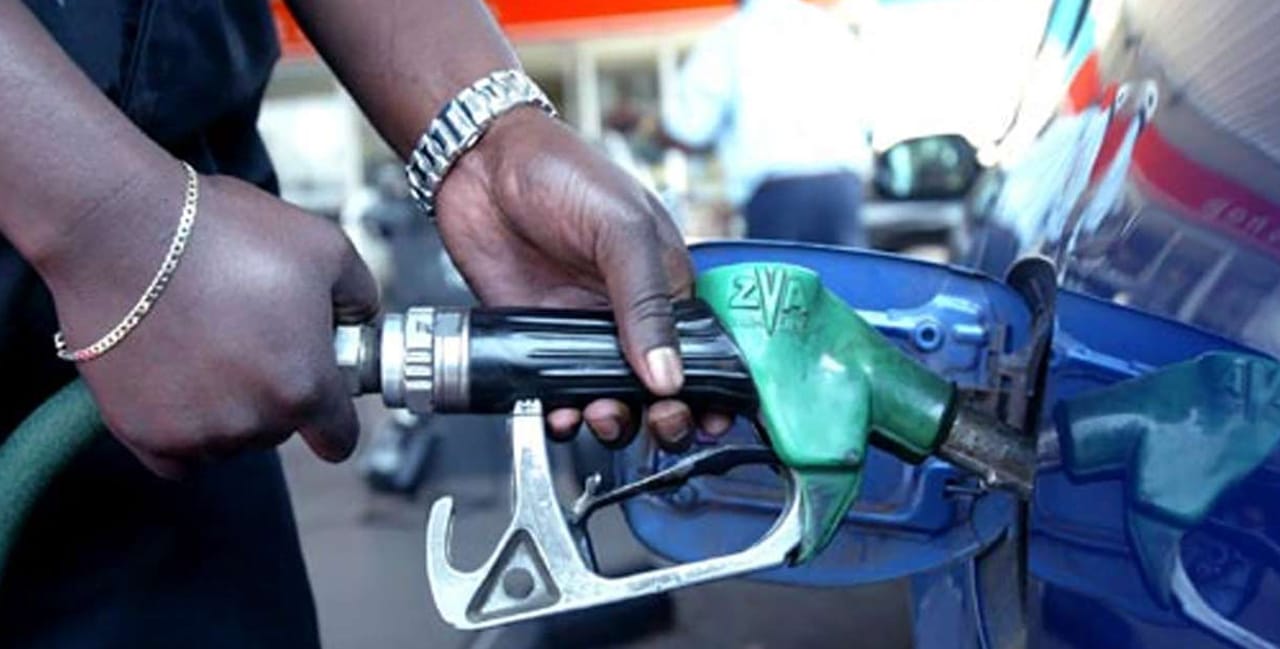
The recent discourse around fuel surcharges in Nigeria, as outlined in various mass media articles, frames them as a necessary tool for improving transport infrastructure. These articles suggest that surcharges fund road maintenance, promote economic stability, and align with global energy trends. However, this perspective misses the deeper issue: the fuel surcharge, often labelled a “fossil fuel tax,” is a policy rooted in a flawed premise that prioritises global environmental agendas over Nigeria’s immediate developmental needs. This tax, designed to discourage fossil fuel use and push for a green energy transition, is not only impractical but also detrimental to a nation grappling with basic infrastructure deficits.
The core argument for the fuel surcharge hinges on its supposed benefits for infrastructure. Proponents claim it generates revenue for road repairs and public transport upgrades. Yet, Nigeria’s history of mismanaged public funds casts doubt on this promise. Decades of oil wealth have not translated into reliable roads, electricity, or a water supply for most citizens. Adding a surcharge to fuel, a commodity central to daily life, risks further burdening Nigerians without guaranteeing tangible improvements. The funds could easily disappear into the same opaque systems that have long hindered progress, leaving citizens to bear the cost without seeing results.
Another point raised is that the surcharge aligns Nigeria with global efforts to reduce carbon emissions. This argument feels disconnected from the reality of a country where power generation struggles to reach 6,000 megawatts for 200 million people. Nigeria possesses vast fossil fuel reserves, among the cheapest in the world, yet its citizens face constant energy poverty. Imposing a tax to deter fossil fuel use in a nation where alternatives like solar or wind are not yet scalable is absurd. Most Nigerians rely on fuel for generators, transport, and small businesses because the grid is unreliable. Taxing this lifeline does not push people toward green energy; it pushes them toward hardship.
Also Read: NUPENG Strike Continues as FG, Dangote Fail To Reach Agreement
The idea that a fossil fuel tax encourages a green transition assumes Nigeria has the infrastructure to support such a shift. In wealthier nations like Denmark, robust public transport, widespread electricity access, and subsidies for renewable energy make such policies feasible. Nigeria, however, lacks these foundations. Electric vehicles remain a distant dream when charging stations are nonexistent, and the average citizen cannot afford solar panels without significant government support. Expecting Nigerians to embrace a green transition under these conditions ignores the stark contrast between global environmental goals and local realities.
Furthermore, the policy’s origins raise questions. The push for a fossil fuel tax feels less like a homegrown solution and more like an imported agenda, driven by international pressures rather than Nigeria’s needs. President Bola Tinubu, despite criticism, understands the country’s reliance on fossil fuels for economic survival. Suggesting that Nigerians, many of whom lack basic amenities, should pay a carbon tax to align with global climate goals is not a policy born of local context. It reflects a disconnect between policymakers and the people they serve, prioritising external validation over practical solutions.
Instead of surcharges, Nigeria should focus on leveraging its abundant fossil fuel resources to drive development. Investing in reliable power generation, expanding rural road networks, and ensuring affordable fuel access would do more to uplift citizens than taxing them for using what keeps the economy running. The fuel surcharge, far from being a progressive step, risks deepening inequality and stalling growth. Nigeria’s path forward lies in addressing its immediate needs, which are electricity, roads, and water, not chasing a green ideal that belongs to a different reality.
