


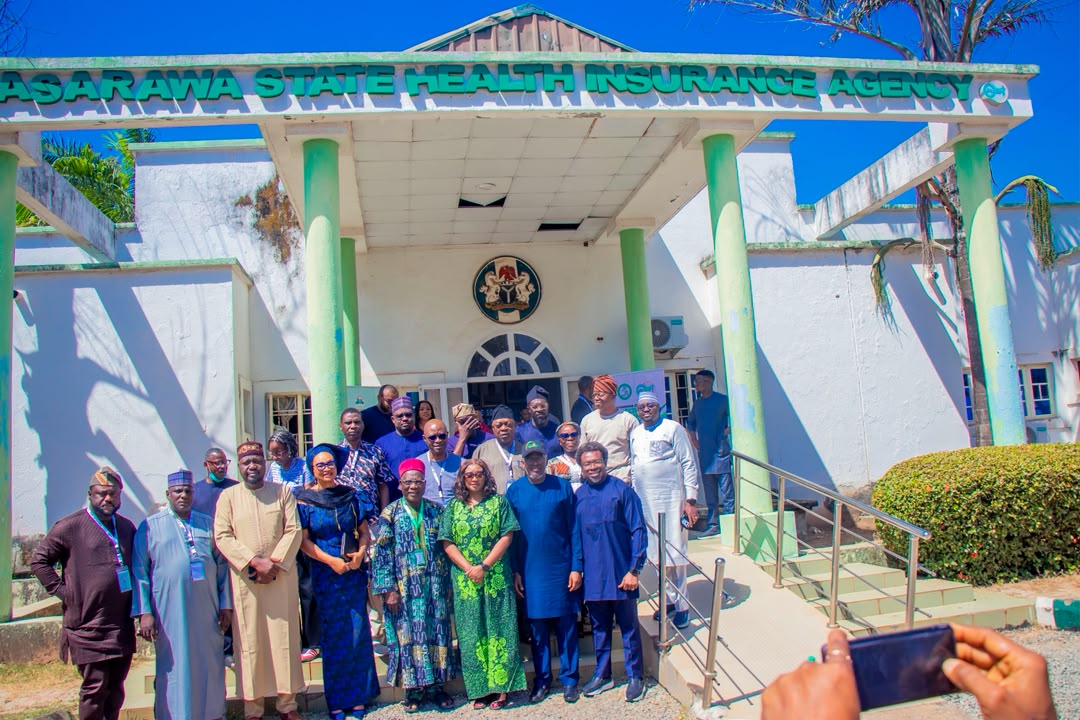
The Rivers State Contributory Health Protection Programme (RIVCHPP), led by its Executive Secretary, Dr Vetty Agala, has participated in the 67th National Council on Health meeting, where stakeholders reaffirmed their commitment to improving access to quality and affordable healthcare across the country.
The meeting, which is the highest policymaking body in Nigeria’s health sector, was held in Lafia, Nasarawa State, under the theme, “Commitment to Results: Delivering Equitable Healthcare for All Nigerians.”
It brought together health sector leaders and stakeholders from across the federation to deliberate on existing challenges and strategies for strengthening healthcare delivery.
Participants emphasised the need for effective policy implementation, accountability and sustained commitment to ensuring that all Nigerians have access to quality and affordable healthcare services.
On the sidelines of the council meeting, the Forum of State Social Health Insurance Agencies (SSHIA) Chief Executive Officers also held a meeting at the office of the Executive Secretary of the Nasarawa State Health Insurance Agency in Lafia.
The meeting was chaired by the Forum’s Chairman, Safana Mohammed, with Dr Agala, who serves as its Secretary-General, actively participating in the deliberations.
Discussions focused on advancing Universal Health Coverage (UHC) through the alignment of state health insurance schemes with primary healthcare strengthening and climate resilience initiatives.
The forum also explored sustainable financing mechanisms under the Nigeria Health Sector Renewal Investment Initiative (NHSRII) framework to protect vulnerable households affected by climate-induced health and economic disruptions from catastrophic out-of-pocket healthcare expenses.
The CEOs observed that climate-related events disproportionately affect poor and vulnerable populations, often worsening their economic conditions when health emergencies arise.
They consequently reaffirmed the commitment of state health insurance agencies to strengthening targeted financial risk protection and ensuring that vulnerable communities have access to the healthcare support they need.
