


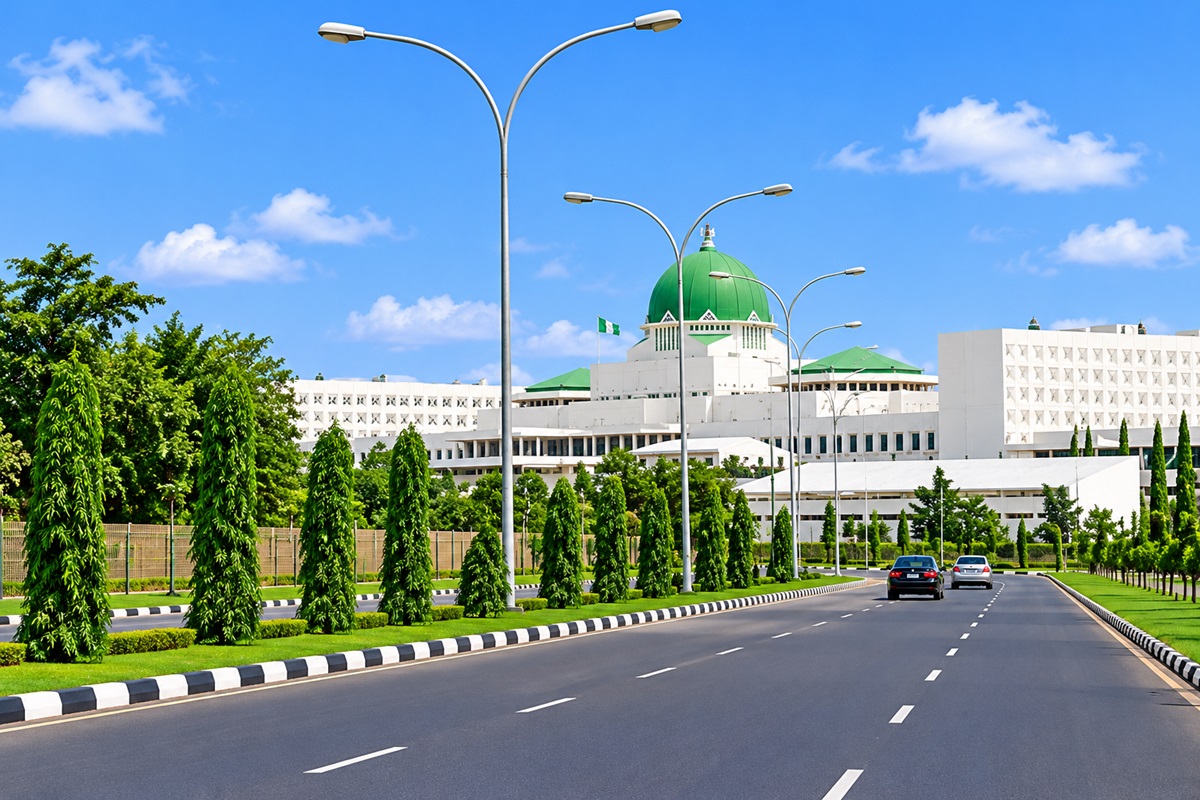
More than a decade after former military Head of State, General Ibrahim Babangida, questioned who the Federal Government was paying rent to at Aso Rock, the issue remains unresolved. Successive administrations have continued to make provisions for residential rent under the State House budget, yet Nigerians are still without a clear explanation of the properties involved, their owners, or the beneficiaries of the expenditure.
This is more than a question about government spending. It is a test of transparency, accountability, and the willingness of public officials to explain how taxpayers’ money is being used.
Available budget figures indicate that approximately ₦732.7 million was earmarked for residential rent under State House Headquarters between 2015 and 2026. The allocation has appeared in successive budgets, despite persistent public questions about what exactly the government is renting.
The figures are particularly striking because the Presidential Villa, popularly known as Aso Rock, is a government-owned facility. Constructed under Babangida’s administration, the complex became Nigeria’s seat of presidential power following the relocation of the capital to Abuja.
In 2016, Babangida publicly challenged the rationale for the rent provision, asking who the government was paying and whether he or former President Goodluck Jonathan was the landlord.
His question may have been provocative, but it exposed an issue that deserves a straightforward answer: if the government is paying residential rent under the State House budget, which properties are involved and who owns them?
It is important to distinguish between the Presidential Villa itself and the broader State House establishment. The budgetary provision does not establish that the government is paying rent for Aso Rock. The State House includes several facilities and administrative units, meaning the allocation could cover other accommodation used for official purposes.
However, that distinction makes disclosure even more necessary. Nigerians should not have to speculate about whether the money covers privately owned residences occupied by government officials, residential quarters within or around the presidential complex, or other official accommodation.
The concern is not simply that money has been budgeted. Government institutions have legitimate operational and accommodation expenses. The issue is that a recurring expenditure of this magnitude should come with sufficient details to allow citizens and oversight institutions to understand what is being funded.
Read Also: three-nigerian-leaders-reportedly-granted-access-to-the-holy-kaaba
The allocation itself has fluctuated over the years. It stood at approximately ₦22.46 million in 2015, rose to about ₦77.55 million in 2017, and remained around ₦66.6 million annually between 2018 and 2021. It increased to approximately ₦76.67 million in 2022 and 2023, before dropping to about ₦57.43 million in 2024. The provision subsequently rose to approximately ₦63.89 million in both the 2025 proposal and the 2026 Appropriation Act.
These figures may represent legitimate government expenditure, but without a breakdown of the properties, landlords, rental agreements and actual payments, the public cannot independently assess their necessity or value.
Civil society organisation BudgIT has also questioned the provision, demanding to know why residential rent appears in the State House budget and who receives the payments. In January 2025, the Citizens Wealth Platform raised similar concerns over residential rent provisions in the proposed federal budget.
The State House has had opportunities to explain its spending before National Assembly committees. Officials have defended other controversial allocations, including expenditure on vehicles, medical facilities and infrastructure maintenance. Yet publicly reported accounts of these budget presentations have not provided a direct explanation of the residential-rent provision.
Even the disclosure by the current Permanent Secretary of the State House, Temitope Fashedemi, that the institution recorded 99.99 per cent performance in its 2025 overhead budget does not answer the central question. A high budget performance rate only indicates how much of the approved overhead allocation was utilised; it does not tell Nigerians how much was spent on residential rent or who received the money.
At a time when the government is asking citizens to endure economic pressures and defending difficult fiscal decisions, transparency in public expenditure should not be optional. Every naira allocated from public funds must be open to scrutiny, particularly when the same expenditure continues to appear in successive budgets without adequate public explanation.
The National Assembly also has a responsibility beyond approving budget proposals. Its oversight committees should demand a detailed account of the residential-rent allocation, including the properties covered, their locations, ownership, occupants, rental agreements, and payments made over the years.
The Federal Government should equally publish the relevant details rather than allow questions raised more than a decade ago to remain unanswered.
Ultimately, Nigerians are not asking an unreasonable question. They deserve to know what their money is paying for. If the residential-rent expenditure is legitimate, the government should have no difficulty explaining it.
Babangida asked who the landlord was. More than a decade later, the country is still waiting for an answer. That silence is precisely why this issue should no longer be treated as an ordinary budget line, but as a matter of public accountability.
