


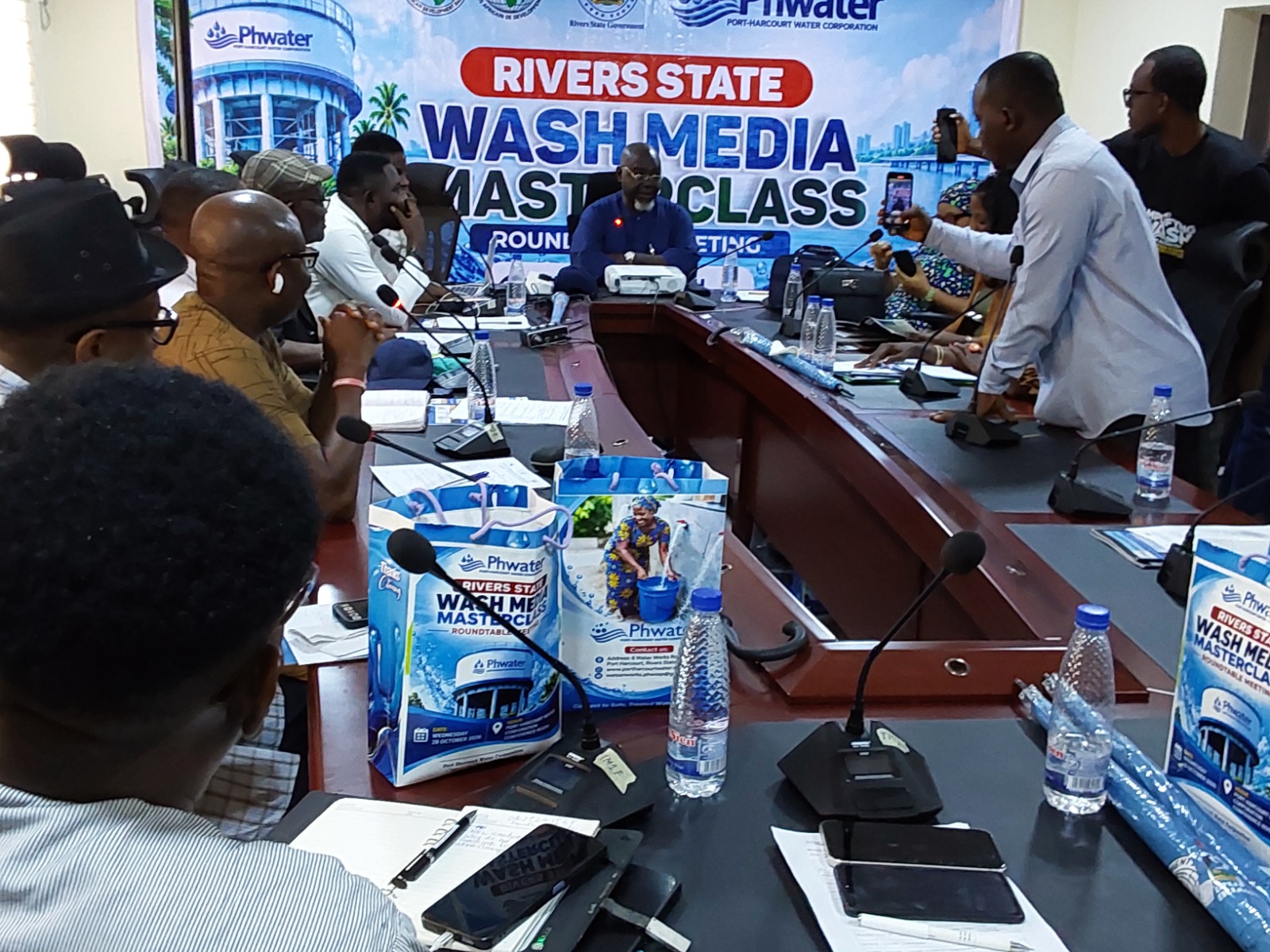
The Rivers State Government has reaffirmed its commitment to providing residents with clean and safe drinking water, assuring that the rehabilitated Port Harcourt water project is designed to improve public health and sanitation across the state.
The Managing Director of the Port Harcourt Water Corporation, Chief Dr. Ibiba O. Walter (DSSRS, JP), gave the assurance while declaring open the Rivers State WASH Media Masterclass and Roundtable Meeting held on November 4, 2026, at the corporation’s headquarters in Rumuola, Port Harcourt.
Themed “Policy, Infrastructure, and Public Trust: Role of Media Leadership in Sustaining Urban Water and Sanitation Reform,” the meeting was organised to showcase the ongoing rehabilitation of the Port Harcourt water project, supported by the World Bank, African Development Bank (AfDB) and counterpart funding from the Rivers State Government.
Walter said Governor Siminalayi Fubara was committed to ensuring that residents have access to safe drinking water, proper sanitation facilities and improved hygiene practices.
He explained that the governor prioritised the rehabilitation of the Port Harcourt Water Corporation as a people-oriented project aimed at improving public health and living conditions.
The Managing Director said journalists were invited to inspect the facilities and obtain firsthand information to enable them to accurately inform the public about the project’s progress.
He described the corporation’s water quality as one of its major strengths, insisting that its standards could be subjected to independent laboratory verification.
“Our water is the best. Port Harcourt water has the best water pH as we speak today. This is the message. We want you to tell the people the truth, and the quality can be subjected to independent verification,” Walter said.
He added that the corporation was determined to establish a sustainable water utility that would remain functional and efficient for future generations.
Walter also disclosed that the corporation was exploring a second phase of the project to extend water supply and sanitation services to communities not covered under the current intervention.
Read Also: illegal-refining-unsustainable-fishing-threaten-ogoni-recovery-hyprep-warns
He identified Woji, Elelenwo, Abuloma and Trans Amadi as areas excluded from the present African Development Bank project component, explaining that the bank had indicated interest in providing additional support to extend coverage to those locations.
The Managing Director further emphasised staff welfare and accountability, revealing that the corporation would introduce performance-based contracts to ensure employees deliver on their responsibilities and receive remuneration based on performance.
Providing details of the infrastructure, the Assistant Procurement Coordinator and Production and Water Quality Manager, Engr. Charlotte Iwokiri, said the corporation sources its water from underground reserves through 22 boreholes.
She explained that the first phase was designed to serve approximately 1.5 million residents in Port Harcourt and Obio/Akpor Local Government Areas.
According to her, the project also includes three additional stations located at Diobu, Moscow Road and Borokiri, while the corporation hopes to provide water to customers for between 18 and 24 hours daily when operations become fully functional.
Iwokiri listed Woji, Elelenwo, Trans Amadi, Choba and Ozoba in Obio/Akpor, as well as Abuloma in Port Harcourt, among the areas not covered by the current phase.
She added that improved access to safe water and sanitation would help reduce water-related diseases, stressing that customers would pay for the facilities and services involved in water production and distribution.
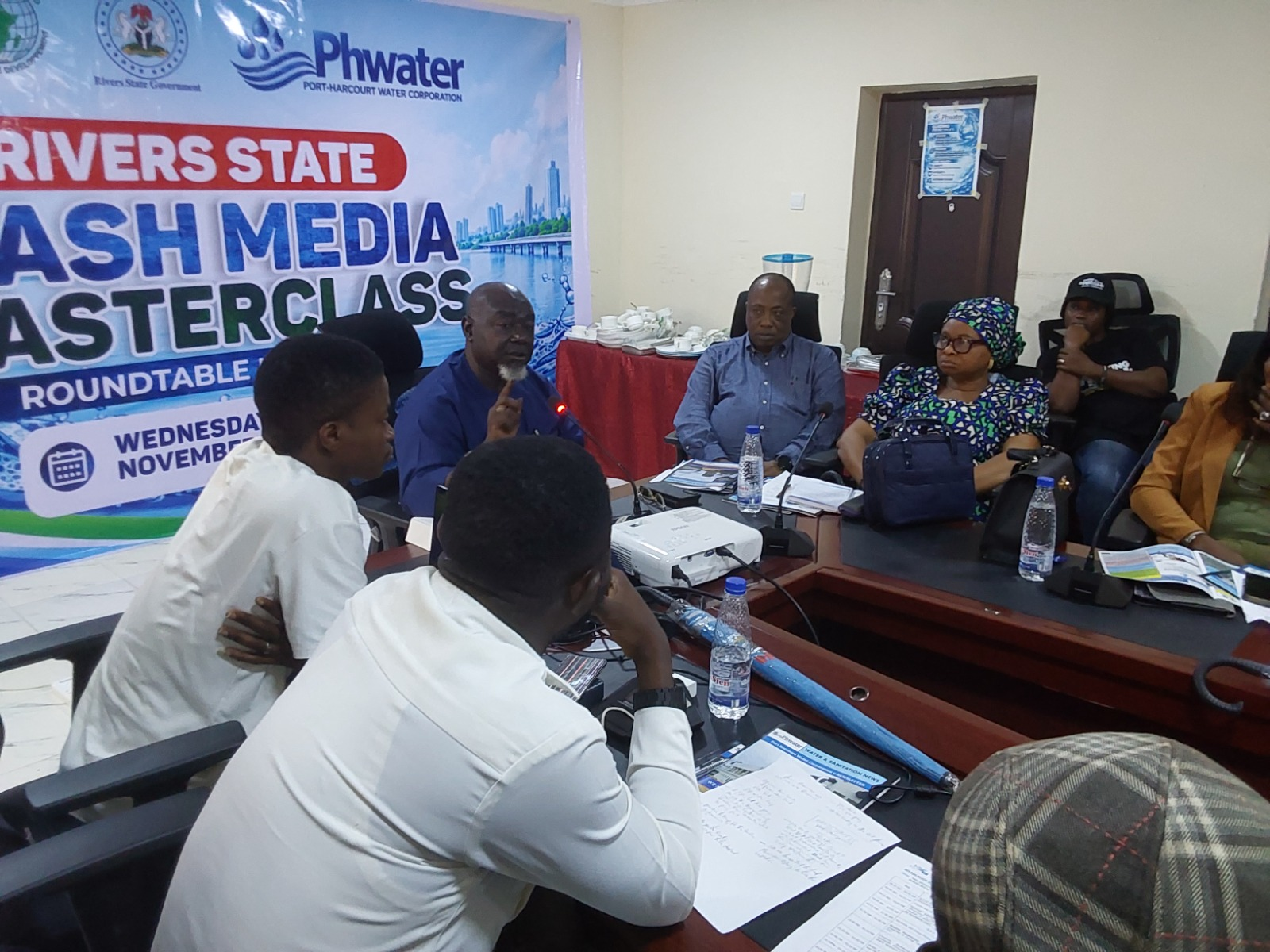
In his keynote address, the Director of the Centre for Water and Sanitation Studies (CeWASS), Rivers State University, Professor Peter Cookey, said successful water utility reforms required more than infrastructure investment.
He identified accountable institutions, informed citizens and technically competent independent media as essential components of sustainable reforms.
Cookey urged journalists to independently verify claims, investigate developments, monitor performance and regularly engage the public to build confidence in the water sector.
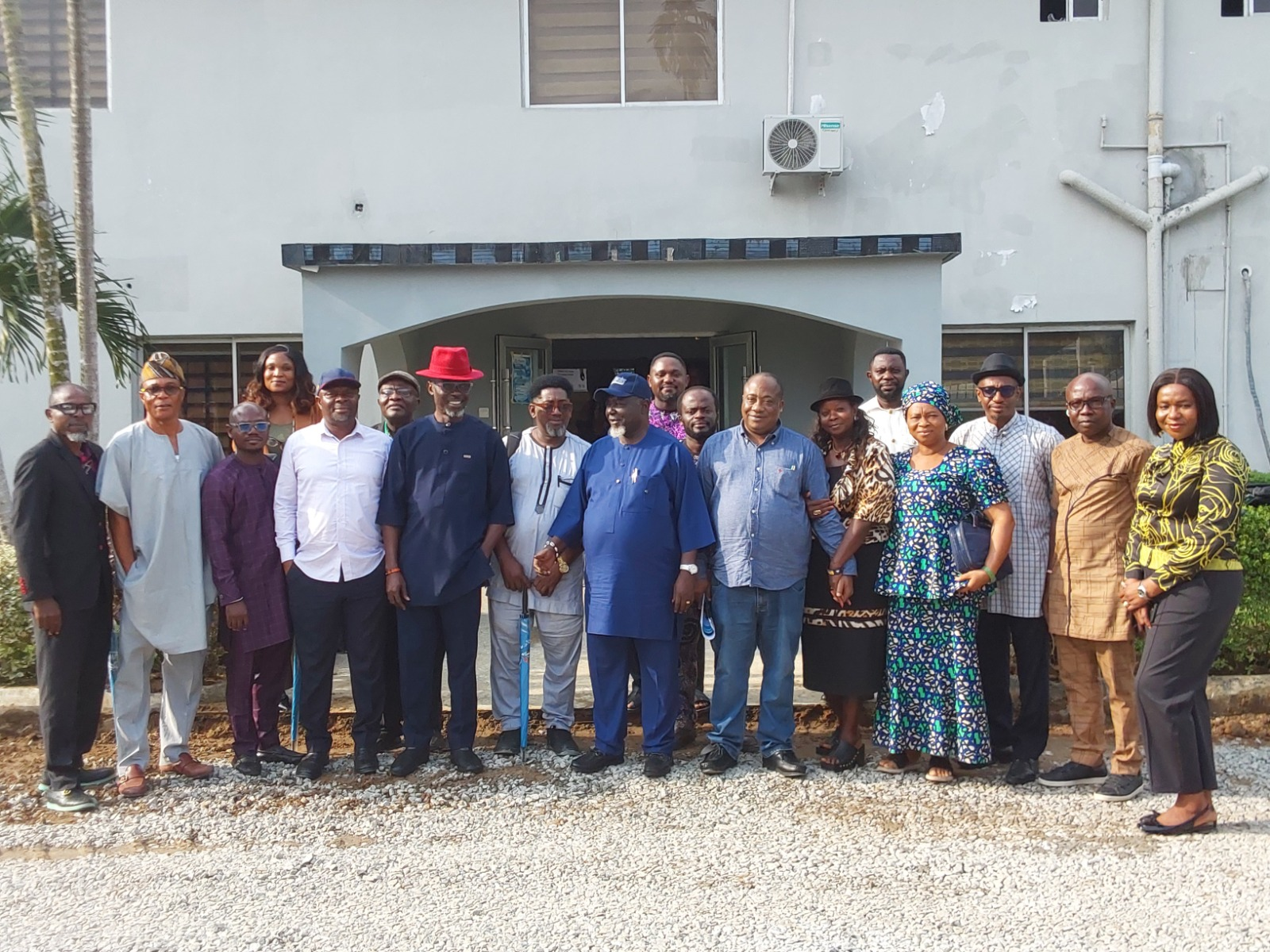
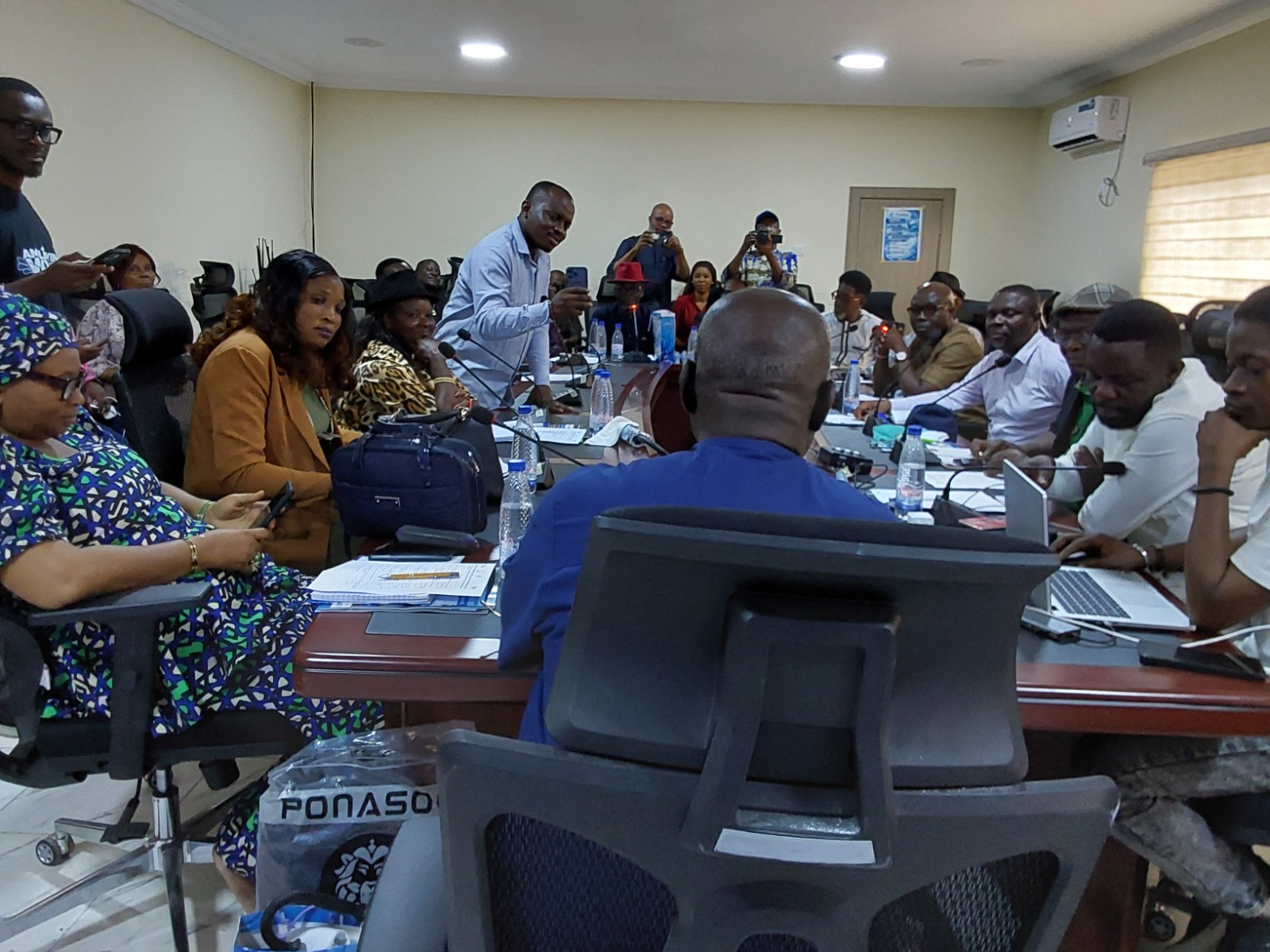
The question-and-answer session was moderated by Christian Chibuzo Maduka, Communication and Social Marketing Consultant with the corporation, and Georgewill Glory Maudlyne, a lecturer at Ignatius Ajuru University of Education, Port Harcourt.
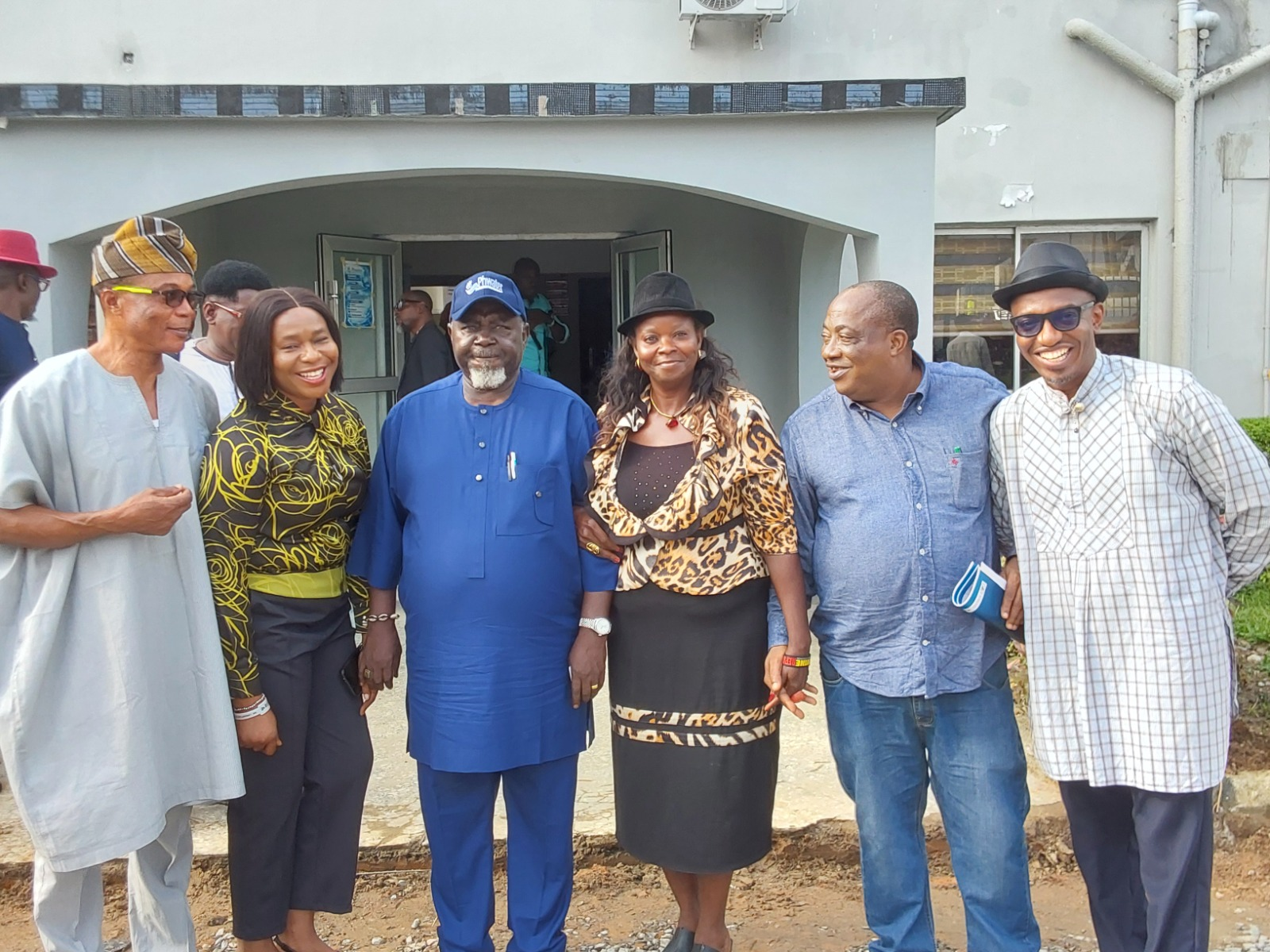
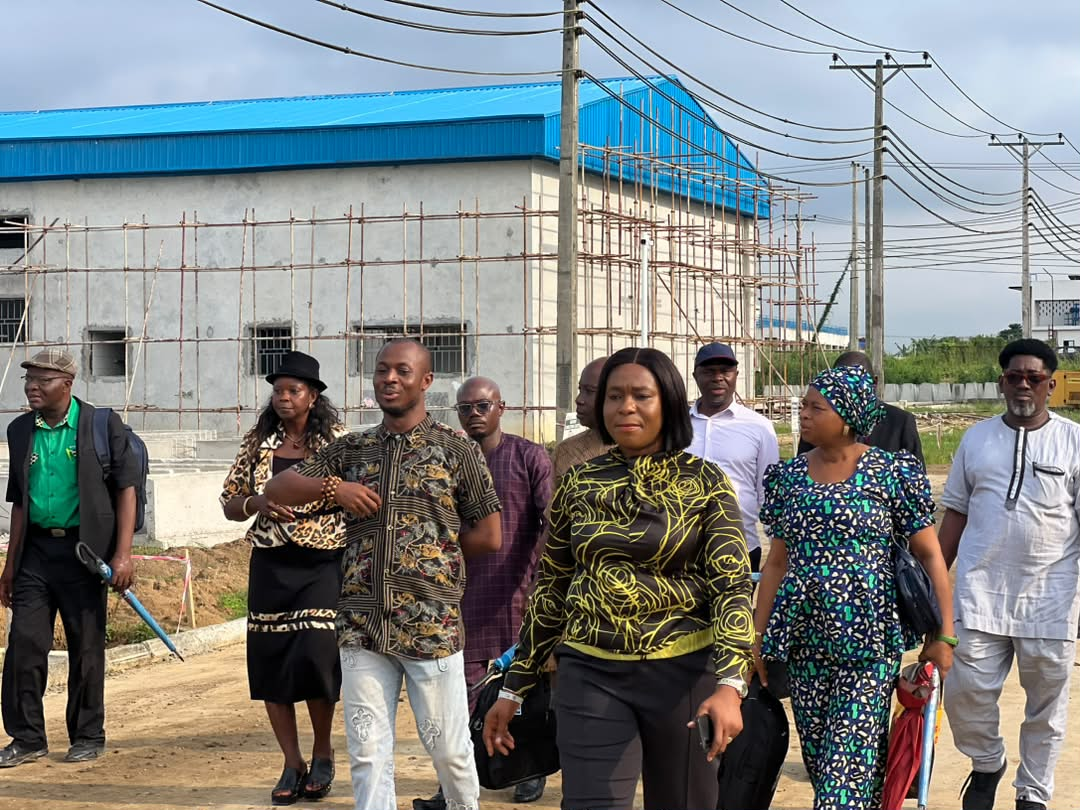
The one-day WASH Media Masterclass and Roundtable also featured an inspection tour of facilities and equipment at the Port Harcourt Water Corporation’s headquarters in Rumuola.
By Chukwudi Ejimofor
