


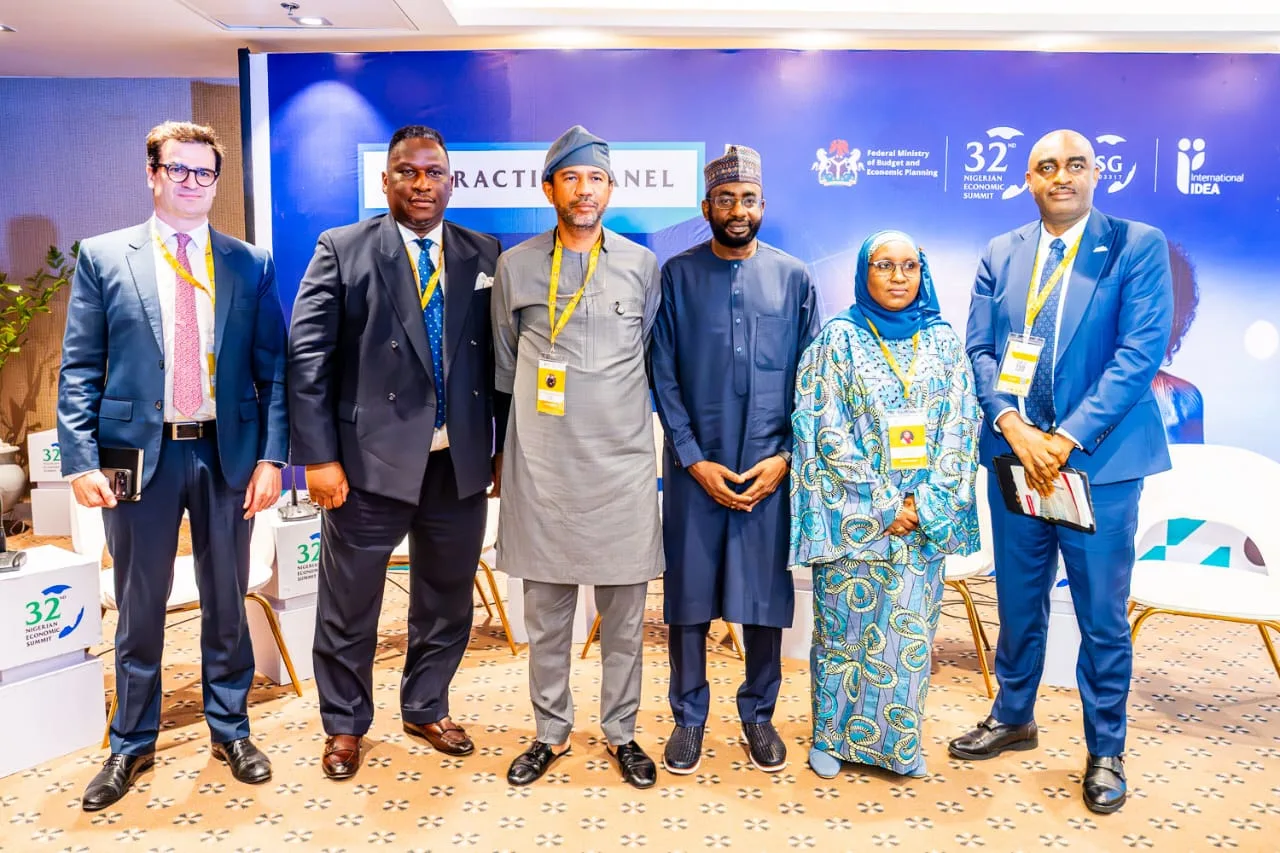
The Director-General of the National Information Technology Development Agency (NITDA), Kashifu Inuwa, has stressed the need to provide affordable internet access to rural and underserved communities, saying Nigeria cannot achieve inclusive digital economic growth if millions of citizens remain disconnected.
Inuwa made this known during a session titled “Inclusive Growth in the Digital Age” at the 32nd Nigerian Economic Summit (NES#32), organised by the Federal Ministry of Budget and Economic Planning.
He said expanding telecommunications infrastructure was essential to economic development, social inclusion and access to emerging technologies, particularly artificial intelligence (AI).
According to him, people without access to digital platforms risk being left behind as technology advances. He noted that limited digital visibility could also prevent their cultures, values and languages from being adequately represented in AI systems.
“If you are not represented, if you are not digitally visible, AI will not see you or consider you when making decisions,” he said.
Reflecting on the growth of Nigeria’s telecommunications industry since 2000, Inuwa recalled how innovation helped address early concerns about the cost of mobile phones and inadequate infrastructure. He said similar efforts were now needed to extend reliable internet services to rural areas.
He identified the Universal Service Provision Fund (USPF) project and Project BRIDGE as two major Federal Government initiatives aimed at closing the connectivity gap.
While the USPF project seeks to provide telecommunications services to underserved communities through the installation of base stations, Project BRIDGE is designed to deploy about 95,000 kilometres of fibre-optic cables across the country.
Inuwa explained that both initiatives would encourage open access to digital infrastructure, attract private-sector investment and help reduce the cost of broadband services.
He also called for a shift in Nigeria’s approach to infrastructure development, noting that investment in digital infrastructure should receive the same attention as roads and railways.
“Today, we are in a digital era; therefore, we need to build digital highways for our data as well,” he said.
The NITDA boss added that the country must also invest in data centres, computing capacity and AI factories to support its artificial intelligence ambitions and maximise the economic opportunities offered by the technology.
He said better internet connectivity would improve productivity, create more business opportunities and help individuals and businesses increase their earnings.
According to him, connecting rural and underserved communities would allow more Nigerians to use technology to improve their livelihoods, reach new markets and participate in economic activities.
Beyond its economic benefits, Inuwa said improved digital infrastructure would make government services more accessible by allowing citizens to complete essential transactions online without visiting several government offices. This, he noted, would also reduce administrative costs.
He maintained that closing the digital divide would require sustained investment and cooperation between government and private-sector players.
Inuwa said inclusive digital development remained critical to ensuring that Nigerians, regardless of their location, could benefit from technological advancements and contribute meaningfully to the country’s digital economy.
