


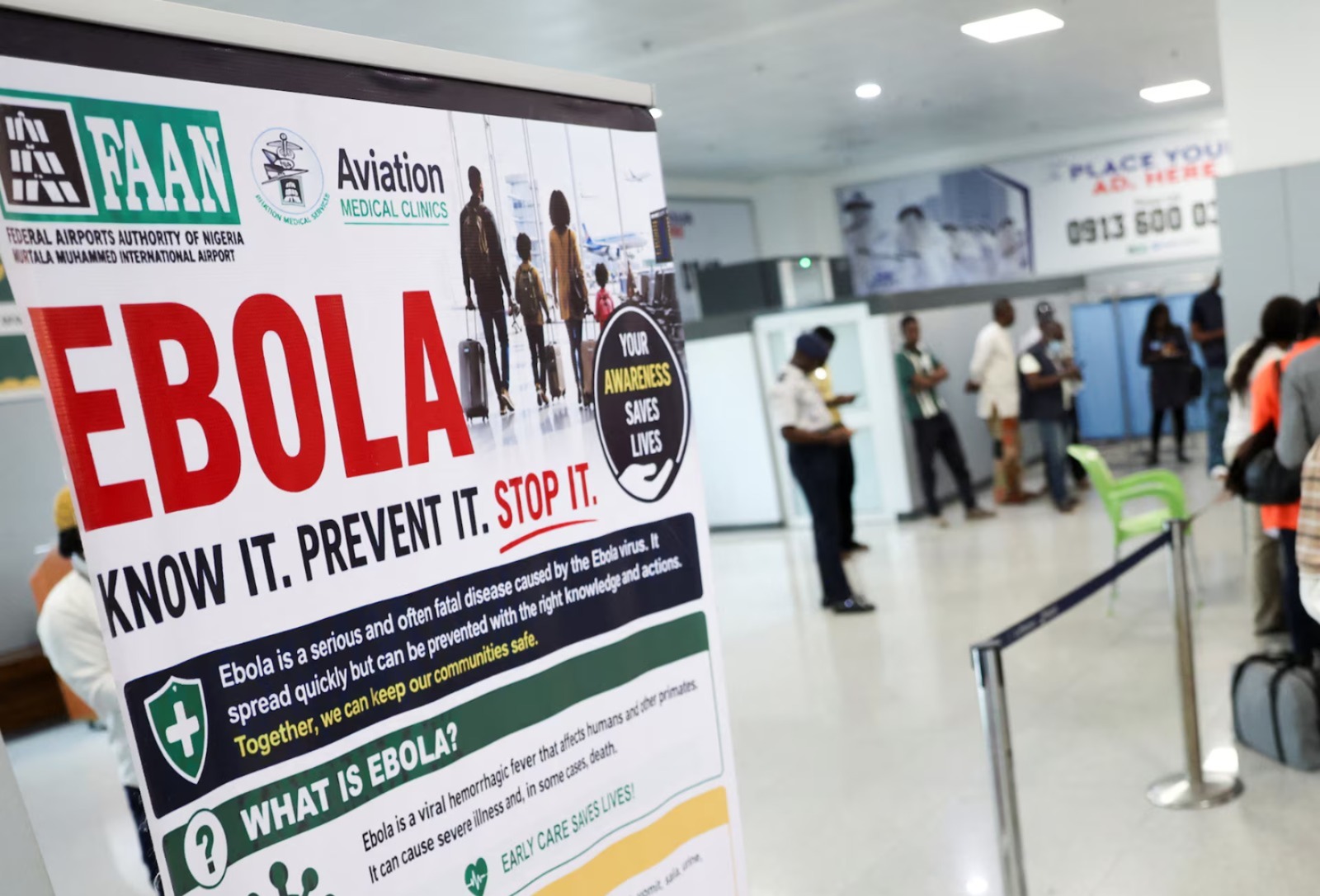
The Federal Government has approved N45.08 billion for a national biosecurity and disease surveillance system at five international airports to strengthen Nigeria’s capacity to detect and contain infectious disease threats.
Minister of Health and Social Welfare, Ali Pate, disclosed this on Wednesday while briefing State House correspondents after the Federal Executive Council meeting presided over by President Bola Tinubu in Abuja.
Pate said the project would operate under a 20-year public-private partnership with the BioHealth Consortium, following concerns about infectious diseases entering Nigeria through international borders.
He noted that Nigeria receives more than 18 million passengers annually through its airports, making stronger surveillance systems essential for public health protection and economic stability.
The system will initially cover Murtala Muhammed International Airport in Lagos, Nnamdi Azikiwe International Airport in Abuja, Mallam Aminu Kano International Airport, Port Harcourt International Airport, and Akanu Ibiam International Airport in Enugu.
According to the minister, the project will deploy pathogen detection infrastructure, aircraft wastewater surveillance, air and surface sampling equipment, and biosurveillance technology for cargo and baggage.
Read Also: nhia-urges-nigeria-to-develop-homegrown-healthcare-solutions
Laboratory facilities and a national surveillance operations centre will also support rapid diagnosis, real-time monitoring and coordinated responses.
Pate stressed that the system would target a broad range of dangerous pathogens rather than a single disease.
The initiative will involve agencies including the Nigeria Centre for Disease Control and Prevention, Port Health Services, Nigeria Customs Service, Nigeria Immigration Service and the National Agency for Food and Drug Administration and Control.
Under the agreement, the private consortium will design, finance, build, operate and maintain the infrastructure during the concession period, while the Federal Government provides policy direction and regulatory oversight.
The assets will revert to the government at the end of the 20-year concession, in line with the agreement endorsed by the Infrastructure Concession Regulatory Commission.
Addressing concerns about Ebola, Pate said a patient linked to a case recorded in October had recovered, while contact tracing and other containment measures remained ongoing.
He said the government was monitoring contacts and supporting people required to isolate or quarantine to encourage compliance and prevent further transmission.
According to him, some contacts could lose income while complying with public health directives, making targeted support necessary to discourage evasion of monitoring.
Pate said the government’s priority was to prevent community transmission, warning that infectious disease outbreaks could threaten both public health and economic activities.
