


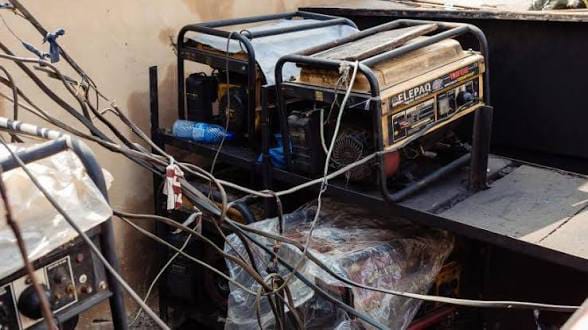
As residents of Port Harcourt continue to depend on generators to cope with unreliable electricity supply, the danger of carbon monoxide poisoning remains a serious public safety concern. Across Nigeria, reports of families and individuals dying after exposure to generator fumes show how a routine response to power outages can turn into a fatal mistake.
One of the most disturbing aspects of carbon monoxide poisoning is that victims may not realise they are in danger until they become seriously ill or lose consciousness. The gas is colourless, odourless and tasteless, making it impossible to detect with the human senses. It is produced when fuel burns, including in petrol and diesel generators, and can accumulate in enclosed or poorly ventilated spaces.
Port Harcourt has experienced its share of such tragedies. In one reported incident in Port Harcourt Township, a couple died after operating a generator in the passageway of their apartment during a power outage and heavy rainfall. They reportedly believed that keeping the generator outside their bedroom would protect them, but the fumes reached their living space. Police confirmed that the couple died from carbon monoxide inhalation.
Another tragedy was reported in Elele, Ikwerre Local Government Area, where a family of seven, including five children, were found dead in their apartment after allegedly inhaling generator fumes. Reports indicated that the generator had been kept in the kitchen while the family slept. Earlier reports also documented suspected generator-related deaths in Rumuosi, Obio/Akpor, highlighting that the danger is not restricted to one neighbourhood.
The problem extends beyond Rivers State. In Asaba, Delta State, a woman and her son were reported dead, while two other people were found unconscious in an incident police attributed to generator fumes. A relative disputed that explanation, underscoring the importance of proper investigations before a cause of death is treated as conclusive. Similar generator-related tragedies have been reported in other parts of Nigeria, including Edo, Kogi and other states.
These incidents point to a recurring danger: the unsafe use of generators in or too close to occupied buildings.
Carbon monoxide poisoning occurs when the gas enters the bloodstream and interferes with the body’s ability to transport oxygen. As oxygen delivery to vital organs falls, the brain and heart can become seriously affected. Severe exposure can cause confusion, unconsciousness, organ damage and death.
The symptoms may initially resemble common illnesses. Headaches, dizziness, weakness, nausea, vomiting, chest pain and confusion are possible warning signs. Because these symptoms can be mistaken for tiredness, malaria or other everyday health problems, people may remain in a contaminated environment when they should be getting out immediately. Anyone who is asleep during exposure may never recognise the warning signs.
The danger is particularly relevant in Port Harcourt, where households, shops, offices, restaurants and other businesses frequently turn to generators when public electricity supply fails. During heavy rainfall, people may move generators into corridors, garages, enclosed balconies or other sheltered areas to protect them from the weather. Unfortunately, these locations can allow poisonous exhaust to enter nearby rooms.
A generator does not have to be running inside a bedroom to cause harm. Fumes can enter through open windows, doors, vents and other openings, exposing people who believe they are safely indoors. Opening a window does not make an unsafe generator location safe, and the absence of visible smoke or a strong smell does not mean the air is free from carbon monoxide.
Preventing poisoning starts with proper generator placement. Generators should never be operated inside homes, parlours, bedrooms, kitchens, corridors, garages or other enclosed or partially enclosed spaces. They should be placed outdoors, at least 20 feet (about six metres) away from doors, windows and ventilation openings, with the exhaust directed away from buildings. Residents should follow the manufacturer’s instructions and avoid placing generators where fumes can enter neighbouring apartments.
Installing a carbon monoxide detector with a battery backup can provide an additional layer of protection inside the home. Landlords and property managers should also discourage tenants from operating generators in shared passages or near windows, particularly in crowded residential buildings where exhaust can affect several households.
Knowing how to respond to suspected poisoning is equally important. Anyone experiencing possible symptoms while a generator is running should immediately move into fresh air and seek urgent medical attention. Other occupants should leave the building. People should not re-enter a potentially contaminated space to rescue someone without appropriate emergency assistance, as they could also be overcome by the gas.
Reliable electricity supply would reduce the pressure on households and businesses to depend so heavily on generators, but until that happens, public awareness remains essential. Residents should not have to choose between keeping their homes powered and protecting their lives.
Generator-related deaths are not simply unfortunate accidents that occur without warning. Many are linked to unsafe practices that can be avoided through proper placement, adequate precautions, and a better understanding of carbon monoxide.
