


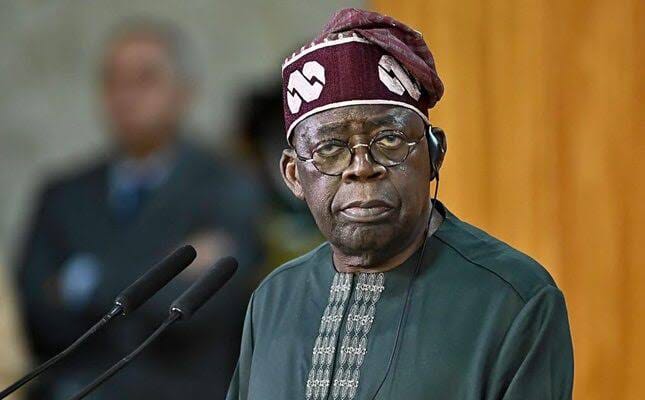
President Bola Ahmed Tinubu has stepped away from the affairs of state for three weeks, and many Nigerians are talking about it because they easily translate a vacation, to taking a hold from national issues.
President Tinubu left Abuja on Sunday for a working vacation in Europe, with London as his first destination. The Presidency said the president would use the period to rest and reflect before returning to Nigeria. His absence comes at a politically sensitive time, with preparations and alignments for the 2027 elections already gathering momentum.
The timing of the vacation has inevitably drawn attention. Nigerians are still dealing with the effects of economic reforms, rising living costs, insecurity and concerns over the pace at which government policies are translating into better living conditions.
For the administration, the break offers the president an opportunity to step away from the daily demands of governance. Presidential leave is not unusual, and the machinery of government remains in operation while Tinubu is away.
There is, however, an important distinction between a presidential vacation and an absence from governance. A president is entitled to annual leave, while the machinery of government continues through the Vice President, ministers and other officials. The real question for Nigerians is therefore less about whether Tinubu should take a vacation and more about what happens when he returns.
Also Read: http://INEC List Sparks Controversy as NDC Deputy Governorship Candidate’s Details Go Missing
Opposition parties are intensifying consultations, political alliances are taking shape and conversations around the 2027 elections are becoming harder to ignore. Tinubu’s return will therefore come against a backdrop of heightened political activity and growing expectations about the direction of his administration.
His government has continued to defend its economic reforms, pointing to improvements in revenue, investment and other areas of the economy. Yet for many Nigerians, the success of those reforms remains measured less by official figures and more by what they can afford at the market, the stability of their income and the security of their communities.
That is the bigger challenge awaiting the president when his vacation ends.
Tinubu may have temporarily stepped away from the presidential routine, but Nigeria’s problems remain firmly on the table. By the time he returns, the political temperature may be higher, public expectations may have shifted and the pressure to demonstrate tangible results will remain. For the president, it is a break. For the country, it is business as usual.
