


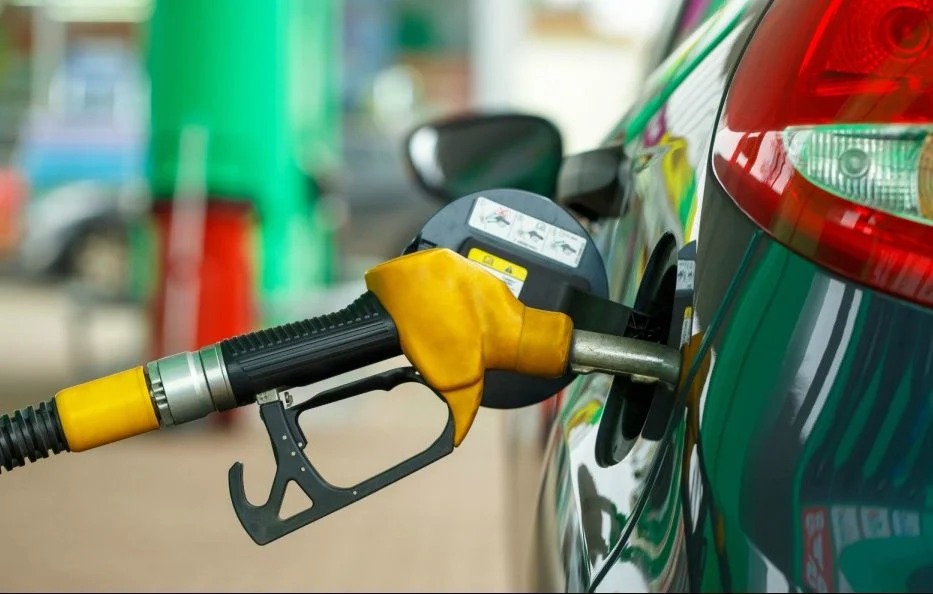
Fresh concerns have emerged over the rising cost of petrol in Nigeria after the pump price of Premium Motor Spirit (PMS) increased from N1,205 to N1,310 per litre, raising fears that the price could soon reach N1,500.
The latest increase comes despite a decline in global crude oil prices, highlighting the growing influence of domestic market conditions on petrol pricing.
Checks showed that MRS increased its retail price to N1,310 per litre in Lagos and neighbouring areas, while other marketers adjusted their prices to between N1,315 and above N1,400 per litre.
Industry analysts attributed the increase to factors including local refining costs, supply conditions, logistics, exchange rate pressures, storage and financing expenses, as well as competition among suppliers.
Meanwhile, Brent crude traded at $88.10 per barrel after falling 0.47 per cent, while West Texas Intermediate (WTI) dropped 0.16 per cent to $83.40 per barrel.
Despite the softer international crude market, petrol depot prices across Nigeria remained elevated. Data for August 28 showed Warri recording the highest PMS depot price at N1,217 per litre, followed by Port Harcourt at N1,214, Calabar at N1,204 and Lagos at N1,202.
Read Also: odc-denies-role-in-selection-of-40-ogoni-beneficiaries-for-nnpcl-jobs
Analysts said the price of petrol in Nigeria no longer moves directly in line with international crude prices, as domestic refining costs, exchange rates, freight, storage, financing and product availability now play significant roles.
They also noted that the growing supply of locally refined petroleum products is changing the dynamics of the downstream market and reducing the direct impact of global crude price movements on domestic pump prices.
The rising cost of petrol could further increase transportation and logistics expenses, with potential consequences for food prices and inflation if marketers continue to transfer higher operating costs to consumers.
Experts, however, believe increased competition among local refiners and marketers could help moderate prices if domestic supply continues to improve.
The development highlights the changing realities of Nigeria’s deregulated fuel market, where domestic supply, refining capacity and operating costs are increasingly determining petrol prices.
