


For thousands of Rivers State residents, especially those in Port Harcourt, boarding a commercial vehicle has become an act of faith rather than routine transportation. Every day, commuters leave their homes hoping to arrive safely, yet many now fear that the next taxi, bus, or tricycle they board could be operated by a “one chance” syndicate.
In recent months, reports of “one chance” robberies have become increasingly common across the state. Criminals disguise themselves as commercial drivers or passengers, lure unsuspecting victims into their vehicles, and rob them of cash, phones, ATM cards, and other valuables. In some cases, victims are assaulted, forced to reveal their bank PINs, or abandoned in isolated locations after being dispossessed.
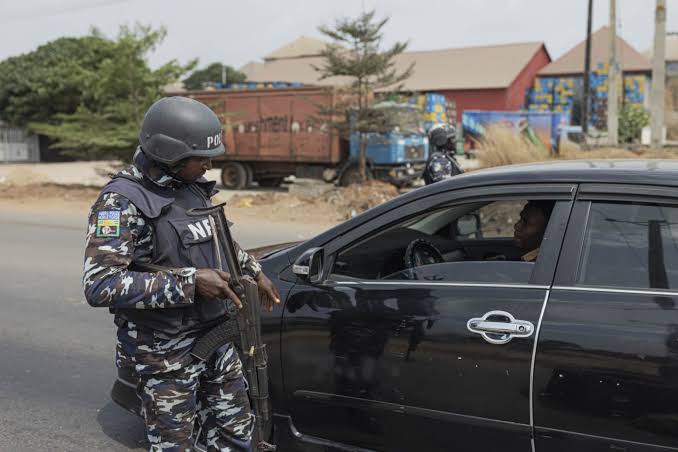
The situation has become so concerning that the Rivers State Police Command introduced stricter security measures, including maintaining restrictions on commercial tricycles operating at night and banning tinted coverings on commercial tricycles to make passengers more visible. These measures were introduced specifically to curb the growing menace of “one chance” robberies and abductions.
Several incidents highlight the seriousness of the problem. In September 2025, a woman travelling from Ozuoba towards Choba was reportedly kidnapped by a “one chance” gang after boarding what appeared to be a normal commercial vehicle. According to reports, she was robbed, and her family eventually paid ₦309,000 before she regained her freedom.
In another breakthrough in May 2026, Rivers State Police arrested five suspects linked to a “one chance” syndicate after investigators uncovered a robbery in which more than ₦4.6 million was stolen from a victim’s bank account. Police further disclosed that the suspects were linked to several similar attacks across the Port Harcourt metropolis.
Even earlier, police dismantled another syndicate operating around Port Harcourt. Investigators said the gang targeted commuters by pretending to be passengers before producing weapons to rob victims, with one victim reportedly losing ₦1.8 million.
Residents frequently mention transport corridors such as Rumuokoro, Choba, Ozuoba, Mile 3, Oil Mill Junction, Eleme Junction, Ikwerre Road, Waterlines, and Obiri-Ikwerre Flyover as areas where commuters should remain particularly vigilant. While these are busy commercial routes used daily by thousands of innocent people, they have also featured repeatedly in crime reports and public safety warnings. This does not mean every vehicle or operator in these areas is involved in crime, but it does underscore the need for greater caution.
The continued rise of “one chance” is more than a policing problem; it is a threat to public confidence in transportation. Many residents now avoid travelling after dark, spend more on ride-hailing services, or refuse to board vehicles that pick up passengers indiscriminately along the roadside. For workers, students, and traders who depend on public transport every day, these choices come at a financial cost.
Government must go beyond periodic police operations. Commercial vehicles should be properly registered and easily identifiable; transport unions must help remove criminal elements from their ranks, CCTV surveillance should be expanded along major roads, and intelligence-led policing should continue. At the same time, residents should avoid isolated pick-up points, share their journey details with trusted contacts, and immediately report suspicious vehicles or activities to security agencies.
Port Harcourt is the economic heartbeat of the Niger Delta. Its people should not have to choose between earning a living and risking their lives on the journey to work. Until “one chance” syndicates are decisively dismantled, many Rivers residents will continue to ask the same troubling question every time they step into a commercial vehicle:
Will I reach my destination safely, or become the next victim?
