


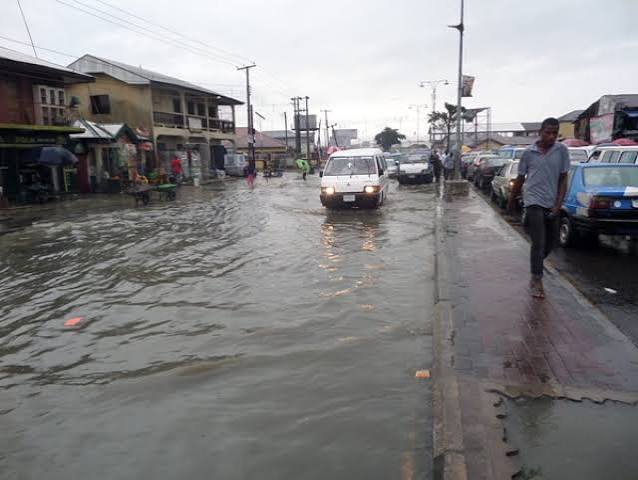
Every rainy season, the same story unfolds in Port Harcourt, and it appears to be getting worse each year. Roads become rivers, homes are submerged, businesses shut down, and residents are forced to wade through flooded streets. In recent days, several parts of Rivers State have once again experienced severe flooding following heavy rainfall.
Communities and roads in Port Harcourt, Obio/Akpor, Eleme, Oyigbo, and parts of Ikwerre Local Government Area have witnessed this, with many residents sharing videos of submerged streets, stranded vehicles, and disrupted commercial activities. Yet, once the rains subside, discussions about lasting solutions fade until the next downpour. This raises an important question: Are we committed to preventing flooding, or are we simply reacting to it year after year?
Flooding in Port Harcourt is no longer just a natural occurrence; it has become a recurring challenge driven by poor urban planning, inadequate drainage infrastructure, rapid urbanization, and weak enforcement of environmental regulations. While heavy rainfall is inevitable, the scale of destruction it causes can be significantly reduced through proper planning and sustained action.
Government agencies have, over the years, embarked on drainage construction, channel expansion, and desilting exercises. However, many residents argue that these interventions are often seasonal, delayed, or insufficient to address the city’s growing drainage needs. Preventive measures should not begin only when the rains arrive. Regular maintenance of drainage channels, expansion of existing drainage networks, strict enforcement of building regulations, and proper urban planning should remain year-round priorities.
Also Read: http://BBNaija Season 11 Premieres July 26 with Record ₦160m Grand Prize
However, the responsibility does not rest with the government alone. Residents also play a significant role in worsening the flooding problem. Across many neighborhoods, drains are routinely blocked with plastic bottles, nylon bags, food containers, old furniture, construction debris, and other household waste dumped indiscriminately into drainage channels.
In some areas, residents deliberately build temporary bridges or extensions over drains, while others channel sewage and refuse directly into waterways. These actions reduce the capacity of drainage systems, causing water to overflow onto roads and into homes after even moderate rainfall. Unless this behavior changes, newly constructed drainage systems will continue to fail.
Public awareness campaigns must therefore be strengthened, while environmental sanitation laws should be enforced consistently, not only during the rainy season. Communities, landlords’ associations, market unions, and youth groups should also be encouraged to organize regular environmental clean-up exercises to keep drainage channels free of debris.
The economic consequences of flooding are equally alarming. Traders lose income as customers stay away, businesses suspend operations, commuters spend more time and money navigating damaged roads, property owners incur expensive repair costs, and investors may become reluctant to expand into flood-prone communities. Beyond the economic losses, stagnant floodwater increases the risk of waterborne diseases such as cholera and typhoid, creates breeding grounds for mosquitoes, and exposes residents to electrical hazards and other safety risks.
Port Harcourt has the potential to overcome this recurring challenge, but doing so requires a decisive shift from emergency response to long-term prevention. Sustainable drainage systems, routine maintenance, investment in resilient infrastructure, stricter enforcement of environmental laws, improved waste management, and stronger collaboration between government, private organizations, traditional institutions, and local communities are essential to building a city that can withstand increasingly intense rainfall.
The real question is not whether Port Harcourt will experience another flood; it almost certainly will. The question is whether government and residents alike will continue reacting after homes have been flooded and livelihoods disrupted, or finally embrace the preventive measures needed to reduce the impact before disaster strikes.
