


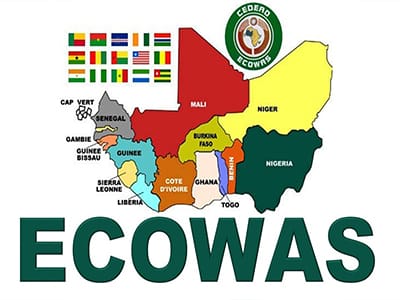
For nearly five decades, the Economic Community of West African States (ECOWAS) has stood as the region’s foremost platform for economic cooperation, peacekeeping and democratic governance.
However, as leaders gather for the 69th ECOWAS Heads of State and Government Summit in Freetown, Sierra Leone, this year’s meeting carries a weight that goes far beyond routine diplomacy. The decisions reached could shape the future of West Africa at a time when the region is grappling with insecurity, political instability, economic hardship and an uncertain global economy.
For Nigeria, the summit is particularly significant. As West Africa’s largest economy and most populous nation, Nigeria has historically played a leading role in ECOWAS, often providing financial support, diplomatic leadership and military assistance during regional crises.
President Bola Tinubu, who currently chairs the Authority of Heads of State and Government, is being represented at the summit by Vice President Kashim Shettima, reflecting Nigeria’s continued commitment to regional integration and collective decision-making.
One of the biggest issues on the agenda is security. Terrorist groups continue to expand their operations across the Sahel, while armed banditry, piracy in the Gulf of Guinea and cross-border criminal networks remain serious threats. These security challenges do not respect national boundaries.
An attack in one country can quickly affect its neighbours through refugee movements, illegal arms trafficking and economic disruption. The summit provides an opportunity for member states to strengthen intelligence sharing, improve joint military cooperation and develop more coordinated strategies to combat terrorism and organised crime.
Equally pressing is the political situation within the region. ECOWAS has faced one of its greatest tests in recent years following military coups in Mali, Burkina Faso and Niger. The subsequent withdrawal of the three countries from the bloc has raised difficult questions about the future of regional unity and the effectiveness of ECOWAS in promoting democratic governance.
Leaders at this summit are expected to examine ways of maintaining dialogue while protecting the organisation’s core principles of constitutional rule, peace and stability.
Also see: Private Healthcare Providers Oppose New Health Regulatory Bill
Economic integration also remains central to the discussions. Although ECOWAS was created to promote free movement of people, goods and services, many barriers still exist. Poor infrastructure, inconsistent border policies, trade restrictions and currency challenges continue to limit the full potential of intra-African commerce.
At a time when many West African economies are struggling with inflation, unemployment and high debt levels, deeper regional cooperation could create larger markets, attract investment and stimulate industrial growth.
For everyday Nigerians, the outcomes of the summit may seem distant, but they have direct implications. Improved regional security can help reduce terrorism and cross-border crime. Stronger trade agreements can lower the cost of doing business, encourage exports and create jobs.
Greater economic cooperation can also strengthen food security by making it easier for agricultural products to move across borders, helping to stabilise prices during periods of shortage.
The summit also comes at a time when West Africa is navigating shifting global alliances. Competition among major world powers for influence in Africa has intensified, while climate change, food insecurity and energy transitions continue to reshape development priorities.
ECOWAS leaders must therefore determine how the region can protect its interests while fostering partnerships that deliver tangible benefits to citizens.
West Africa has witnessed many ambitious declarations over the years, but translating promises into measurable action has often proved difficult. Citizens across the region are increasingly demanding results that improve security, strengthen democratic institutions, expand economic opportunities and raise living standards.
For Nigeria, whose fortunes are closely tied to those of its neighbours, the summit offers a chance to reinforce its leadership role while advancing policies that promote peace, economic growth and regional resilience.
