


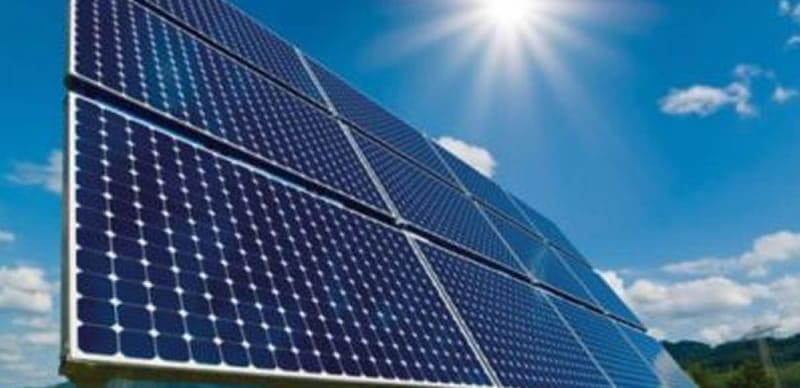
Nigeria is aiming to achieve a capacity of 209,000 MW by 2050. This will be achieved by deploying with no fewer than 53 large-scale solar energy projects worth an estimated $11 billion.
As part of a nationwide initiative led by the Rural Electrification Agency, almost 1,400 mini-grids and off-grid plants will be installed in order to extend electricity access in remote rural areas, including 250 mini-grids that would be connected to the national grid.
The scheme is underwritten with a total public investment of $750 million, with the potential to generate another $1.1 billion of private investments. According to the Managing Director of REA, Abba Aliyu, the scheme is a groundbreaking intervention since it stands as the world’s biggest publicly-financed renewable electricity project.
Moreover, he explained that the Nigerian government is seeking to establish renewable energy as a sustainable and economically feasible source of electricity in the country, with the aim of reaching 17.5 million people with access to electricity within a period of three years.
However, Nigeria has shown progress already, with more than 1,000 mini-grids being installed in various regions, with more than half financed by REA. Moreover, the additional push will come from the World Bank-backed ‘Distributed Access through Renewable Energy Scale-Up’ scheme, which seeks to displace more than 250,000 diesel generators.
According to recent data provided by Global Solar Council, Nigeria installed another 803 MW worth of solar power in 2025, thereby increasing the total solar capacity to around 1,019 MW. In addition, Nigeria’s renewable energy strategy fits into larger frameworks like Mission 300 that calls for electrifying 300 million Africans by 2030.
Despite the dominance of gas-powered power stations, Nigeria currently utilizes about 23% of renewables for energy production, primarily hydropower and solar. In an attempt to raise the percentage of renewables to 30% by 2030 and to 82% by 2050, the government expects solar power to cover most of the gap.
Given the billions of investments and the plethora of solar projects underway in Nigeria, one may assume that the country’s approach to solar energy can serve as a key to establishing a renewable energy hub in Africa.
