


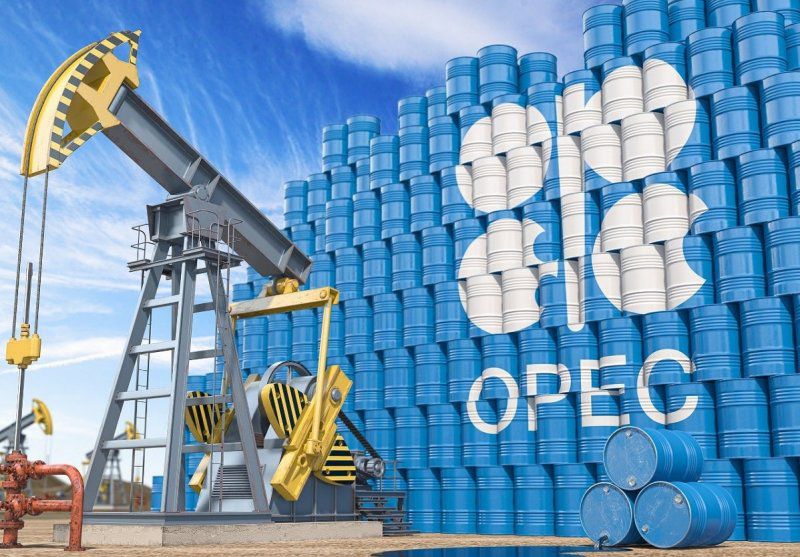
Nigeria has embrace the new development by the Organisation of Petroleum Exporting Countries (OPEC) and its allies (OPEC+) in maintaining the present production structure till the end of 2026. This is expected to go in tandem with continuous reviews which will affect production levels starting from 2027.
This was confirmed by the Minister of State for Petroleum Resources (Oil), Senator Heineken Lokpobiri, who represented Nigeria during several important meetings of OPEC.
According to Lokpobiri, the decisions made at the meeting reflect previous agreements made by the signatories to the Declaration of Cooperation (DoC).
Specifically, the member states decided to maintain the present structure until the end of 2026 while making efforts to establish each country’s Maximum Sustainable Capacity (MSC), which will guide the production baselines from 2027.
Lokpobiri emphasized that MSC is very important for promoting fairness and transparency in the international oil market.
In addition to that, he emphasized the performance of Nigeria, adding that the country has always managed to meet its OPEC production quota while at the same time boosting its capability of boosting production levels. In his opinion, this is the best position for Nigeria to be in before the upcoming production quota revisions.
Also, OPEC+ has approved another gradual increment in the target production level for certain important producers. In particular, from the start of July, the following core member states (Saudi Arabia, Iraq, Kuwait, Algeria, Kazakhstan, Russia, and Oman) are going to produce an additional 188,000 barrels of crude per day compared to the amount produced in June.
This strategy fits into the bigger plan regarding the unwinding of previously introduced reductions of production volume; however, the production level has not remained steady due to various disruptions.
Nevertheless, the overall policy of OPEC+ has not changed and will remain valid until the end of 2026. At the same time, member countries once again stressed the importance of completing a capacity assessment, which will form the basis of the future quotas starting 2027.
