


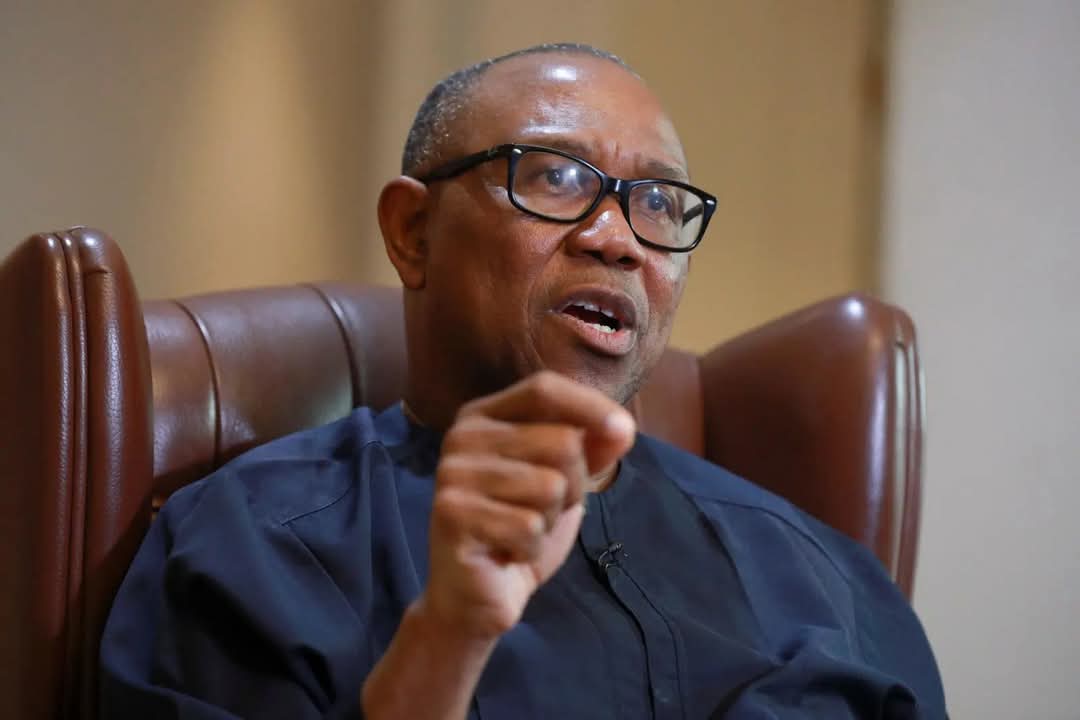
Former Anambra State Governor , Mr. Peter Obi, has confirmed his exit from the African Democratic Congress, citing deepening internal crises and a hostile political environment.
Mr. Obi made made this known in a personal statement on Sunday, on his X platform, where he reflected on what he described as the “toxic” nature of Nigeria’s political space and the pressures faced by public figures.
The former Presidential candidate of Labour party clarified that his decision was not due to any personal grievances with key leaders of the party, including its National Chairman, David Mark, or former Vice President, Atiku Abubakar, whom he said he continued to respect.
According to him, his exit was driven by recurring internal conflicts and external pressures that he said were beginning to mirror the challenges he previously encountered in the Labour Party.
Mr. Obi lamented what he described as a “toxic” national environment, where intimidation, insecurity, and constant scrutiny have become normalized, even for individuals striving to contribute meaningfully to national development.
He also expressed disappointment over what he termed a lack of solidarity among political associates, noting that some individuals who publicly align with him often distance themselves privately or engage in unwarranted criticism.
Mr Obi further decried a societal value system where humility is perceived as weakness and integrity is often misinterpreted, stressing that his approach to leadership has always been rooted in service, sacrifice, and respect for all, regardless of status.
He maintained that he is not driven by personal ambition for political office but by a desire to see a Nigeria where citizens are secure, economically stable, and treated with dignity.
Mr. Obi highlighted concerns over insecurity, poverty, and displacement, emphasizing the need for leadership that prioritizes compassion, justice, and effective resource management, particularly in critical sectors such as education and healthcare.
Despite his resignation, Mr. Obi reaffirmed his commitment to the vision of a better Nigeria, expressing confidence that the country can still achieve a system built on equity, opportunity, and accountable leadership.
