


Nigeria plans to adopt lessons from Ethiopia’s nutrition programmes to strengthen funding, improve coordination among government levels, and expand community-based interventions under its Nutrition 774 (N774) Initiative.
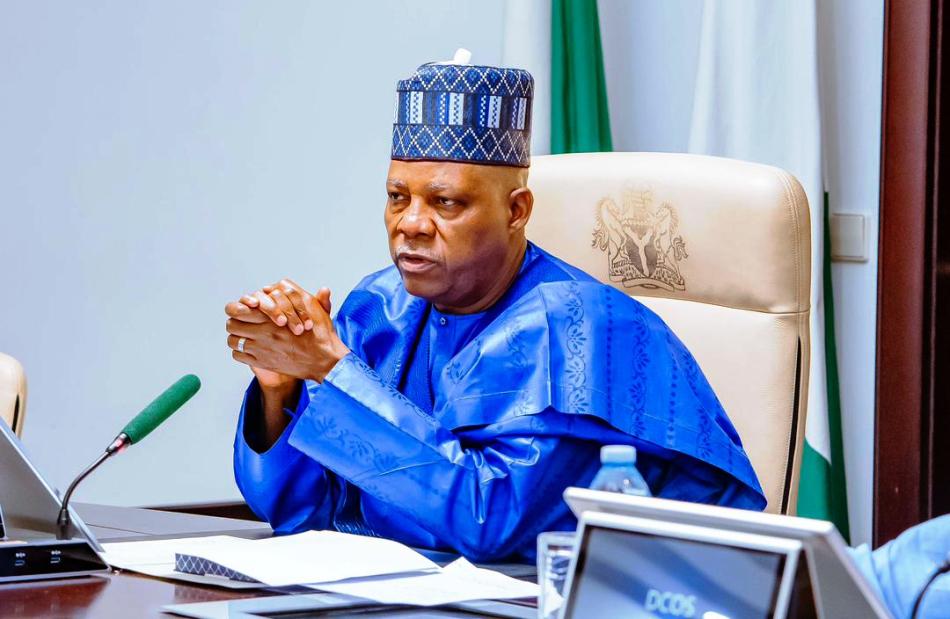
Vice-President Kashim Shettima disclosed this on Thursday in Abuja after leading a Nigerian delegation to the three-day Ethiopia-Nigeria Nutrition Leadership Exchange Forum in Addis Ababa and Oromia.
He said the lessons would help improve nutrition outcomes across Nigeria’s 774 local government areas, particularly for children, pregnant women and other vulnerable groups.
Shettima stressed that the success of the exchange would depend on translating the lessons into practical interventions through stronger collaboration among federal, state and local governments.
He also highlighted sustainable funding, accountability and effective implementation as essential to tackling malnutrition and improving human capital development.
The Nigerian delegation included governors, commissioners and officials from ministries and agencies responsible for health, education, agriculture, water resources, sanitation, budgeting and emergency management. The forum was organised in partnership with Big Win Philanthropy.
Read Also: nigeria-cuts-child-malaria-rate-to-15-2-targets-50-reduction-by-2030
During the exchange, Zamfara State Governor Dauda Lawal said insecurity had disrupted food production and worsened food access in the state, despite its agricultural potential. He said Nigeria could learn from countries that had faced similar challenges.
Abia State Governor Alex Otti pledged to extend the initiative across the state’s 17 local government areas, 184 wards and communities. He said targeted nutrition support remained necessary for vulnerable households that might not immediately benefit from broader economic improvements.
Jigawa State Governor Umar Namadi highlighted existing interventions, including a programme that trained about 600 women to produce Tom Brown, a locally prepared, nutrient-rich food used to feed children.
Osun State Governor Ademola Adeleke said his administration would draw on Ethiopia’s experience to strengthen existing nutrition programmes targeting children and pregnant women.
At the federal level, the Coordinating Minister of Health and Social Welfare, Prof. Muhammad Ali Pate, announced plans to work with at least two states with the highest malnutrition burden to begin implementing the initiative locally.
Ethiopia’s Minister of Health, Dr Mekdes Daba, commended Nigeria’s commitment to extending the N774 Initiative nationwide, describing it as a demonstration of political will.
The initiative aims to improve nutrition outcomes through coordinated government action, sustainable financing, and targeted interventions. Its effectiveness will depend on how well the commitments are translated into measurable improvements for vulnerable communities.
