


Civil Society Organisations (CSOs) and health advocates have called for stronger political commitment, increased funding, better coordination and greater use of technology to help Nigeria meet its 2030 health targets.
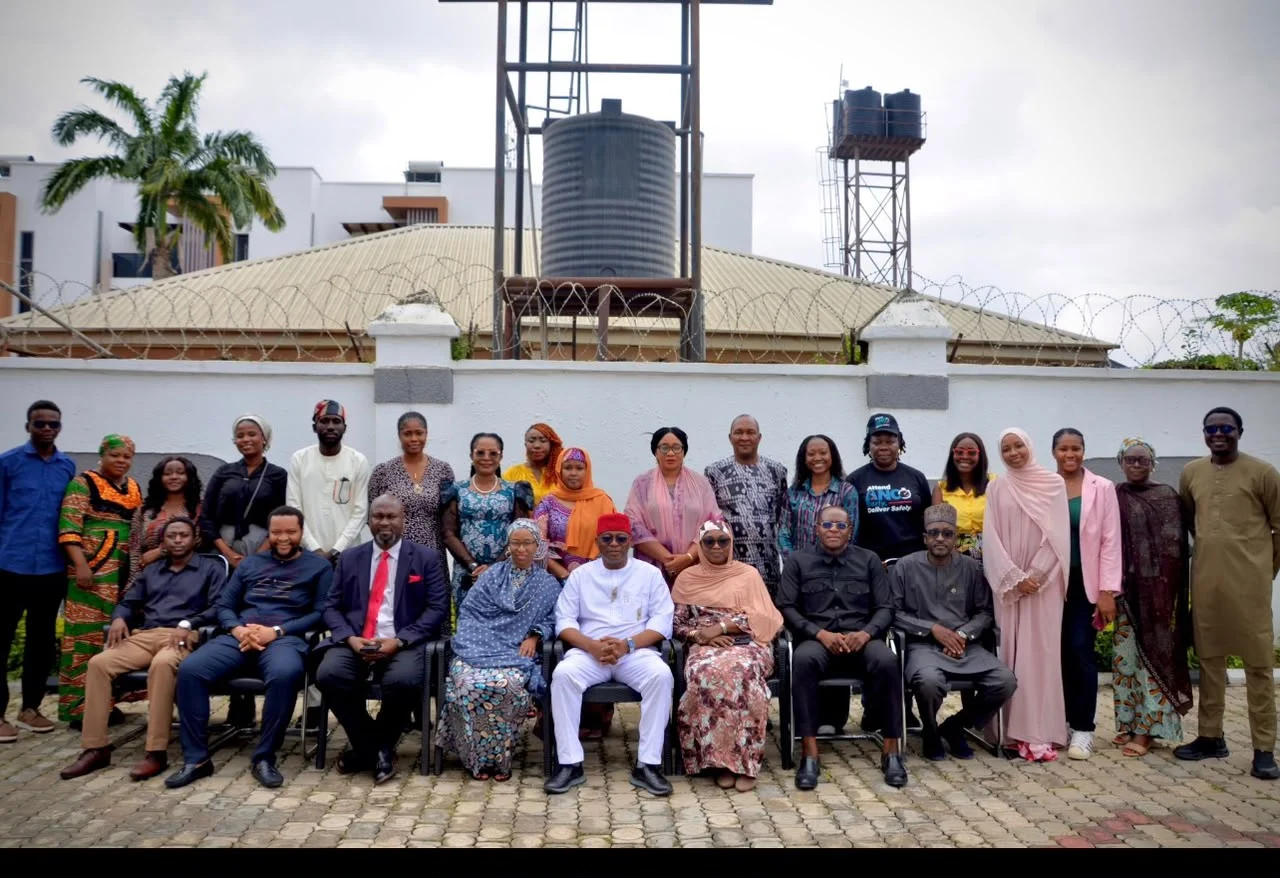
They made the call in Abuja at a meeting to discuss the implementation of the 2026/2027 Collaborative Advocacy Action Plan (CAAP), convened by the Africa Health Budget Network (AHBN) with support from the Partnership for Maternal, Newborn & Child Health (PMNCH).
The CAAP is designed to strengthen joint advocacy and accountability for commitments on women’s, children’s and adolescents’ health. In Nigeria, AHBN is coordinating the initiative to build stronger advocacy coalitions, influence decision-makers and support the implementation of national health commitments.
Speaking at the meeting, Regional Portfolio Director for Western Central Africa and Country Director of Pathfinder International Nigeria, Dr Amina Dorayi, said technology, including Artificial Intelligence, could help accelerate progress towards the 2030 targets.
Dorayi stressed the need for deliberate investment in health workers, medicines, infrastructure and essential services, particularly in rural and underserved communities.
She said the experience of implementing the Maternal and Newborn Health Acceleration Plan had shown the importance of collaboration and accountability, noting that no single government or organisation could tackle maternal deaths alone.
She also called for greater transparency in the use of health funds and urged government to increase investment in primary healthcare centres while ensuring that reforms at the federal level were effectively implemented at state and local government levels.
AHBN focal person for CAAP implementation and health security in Nigeria, Mrs Khadija Bobboi, said the initiative brings government and civil society together to advance women’s, children’s and adolescents’ health.
She said the second year of the CAAP in Nigeria was focused on health financing, collaboration, adolescent health and wellbeing, as well as implementation of the Maternal and Newborn Health Acceleration Plan.
According to Bobboi, the meeting also provided an opportunity to validate the RMNCAH+N Budget Accountability Scorecard and advocacy and policy briefs on family planning, health financing and adolescent health.
Chairman of the Association for the Advancement of Family Planning, Dr Ejike Oji, attributed Nigeria’s high maternal and newborn mortality to weak implementation of existing policies and inadequate leadership commitment.
Oji said Nigeria had strong maternal and reproductive health policies but had struggled to translate them into measurable improvements. He urged stakeholders to focus resources on health facilities and communities with the highest levels of maternal and newborn deaths.
He also called on CSOs to coordinate their advocacy efforts and speak with a stronger collective voice when engaging policymakers.
Participants at the meeting reviewed the Maternal and Newborn Health Acceleration Plan, identified implementation gaps and agreed on priority areas for joint advocacy and accountability.
The CAAP ultimately seeks to strengthen collective action around maternal, newborn, child and adolescent health, sexual and reproductive health and rights, and adolescent wellbeing.
