


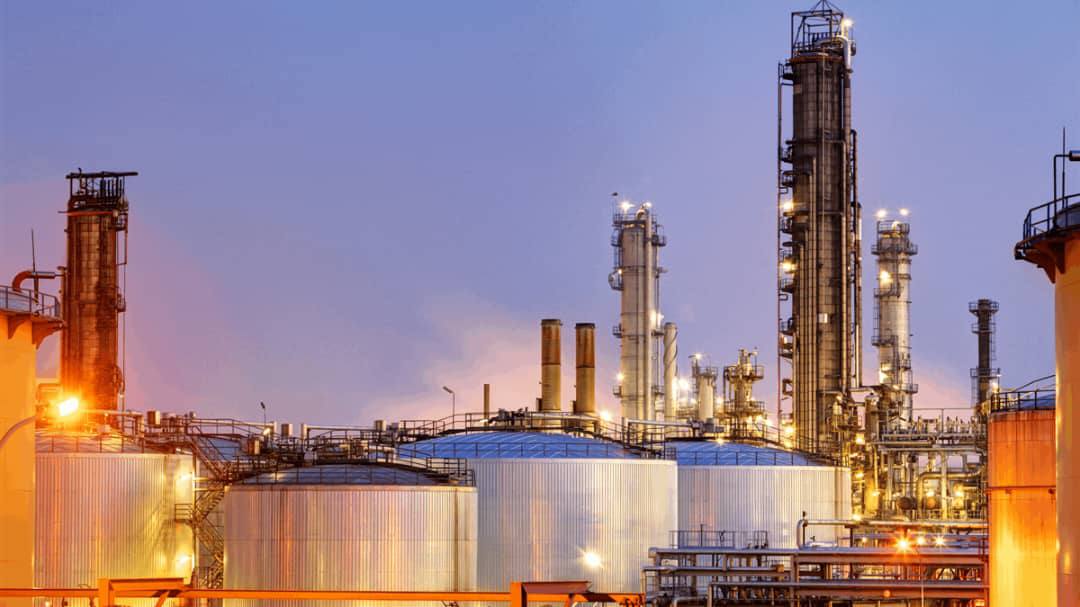
Port Harcourt has always had a strong identity. It is the Garden City. It is an oil city. It is one of Nigeria’s major commercial centres and a place that has long been associated with the country’s petroleum industry.
But there is a bigger question worth asking: if oil is taken out of the picture, what exactly does Port Harcourt have left to offer?
The question becomes even more important as Rivers State increasingly talks about economic diversification, tourism, hospitality, culture and the creative economy. In July, the state signed a Memorandum of Understanding with the Federal Government to strengthen tourism, arts, culture and the creative sector, with the government saying it wants to move beyond traditional sources of economic activity.
Port Harcourt certainly has the raw materials for such an economy. It has a rich cultural heritage, a large and youthful population, food, music, festivals, nightlife, waterfronts and access to some of the natural attractions across Rivers State. The state itself now promotes its waterways, cultural festivals, culinary attractions and destinations such as Bonny Island as part of what visitors can experience.
But attraction is not built on potential alone.
A city cannot seriously market itself as a tourism or cultural destination while struggling with basic urban problems. Poor sanitation, indiscriminate dumping, blocked drainage channels and recurring flooding affect not only residents but also the image of the city. The Rivers State Government itself acknowledged this year that Port Harcourt has gradually lost part of its historic Garden City identity, citing flooding, waste disposal, erosion, pollution and the disappearance of green spaces among its environmental challenges.
RIWAMA has also partnered with community organisations to tackle illegal dumping and poor sanitation, specifically under efforts to restore Port Harcourt’s Garden City status.
This raises another question: what does it really mean to be the Garden City if the garden itself is disappearing?
There is also the question of infrastructure. A city hoping to attract tourists, investors, events and creative businesses needs more than hotels and event centres. It needs functioning roads, drainage, waste collection, public spaces, reliable transport and an environment people actually want to spend time in.
Port Harcourt’s challenge, therefore, may not be a lack of things to sell. It may be the failure to consistently create the conditions that allow those things to become an economy.
The city has musicians. It has food. It has fashion. It has festivals. It has a strong social scene. It has a history of producing influential creatives and a culture that is recognisably its own. The Rivers State Tourism Development Agency has already begun pushing conversations around the creative economy, arts, tourism, hospitality and entertainment.
But can these sectors become something bigger than occasional events?
Can a festival bring visitors into the city, fill hotels, create jobs, support restaurants, employ creatives and generate income for local businesses? Can Port Harcourt turn its culture into something people travel for rather than something residents simply experience at home? Can its waterways, food, music, history and festivals become products that are deliberately developed and marketed?
And perhaps most importantly, can the city fix the basic problems that could undermine all of it?
Oil gave Port Harcourt an economic identity. The next question is whether the city can build an identity that survives beyond oil.
Because if Port Harcourt wants to sell culture, tourism and the Garden City experience to the world, it first has to decide what kind of city it wants visitors to find when they arrive.
