



Businesses in the Niger Delta may soon have greater access to funding as stakeholders intensify efforts to reduce the region’s dependence on oil revenues and government interventions, with an initial N5 billion fund unveiled to support enterprise development.
The initiative, being driven by the Niger Delta Chambers of Commerce, Industry, Trade, Mines and Agriculture (NDCCITMA), was announced by the Managing Director and Chief Executive Officer of the Niger Delta Development Commission (NDDC), Dr Samuel Ogbuku, during the Niger Delta Economic and Investment Summit in Port Harcourt.
Speaking on Tuesday, Ogbuku presented the initiative as part of a broader economic shift that places businesses, entrepreneurs and the region’s human capital at the centre of development.
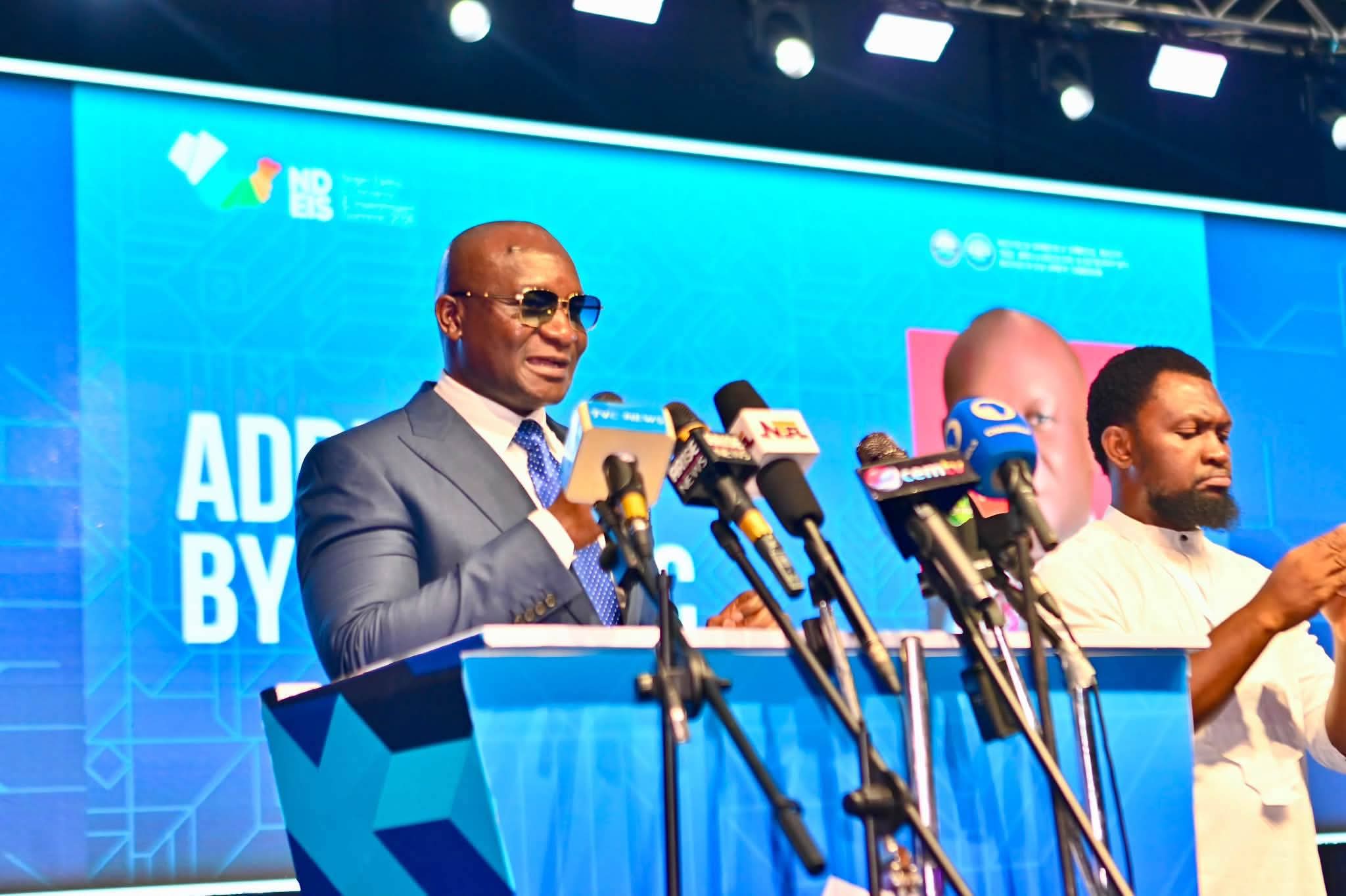
For a region with substantial natural resources but persistent economic and infrastructure challenges, he said the priority should be to build an economy in which its people can create and sustain productive enterprises.
“The people are our greatest asset,” Ogbuku said, stressing the need to invest deliberately in human capital, skills and entrepreneurship.
He argued that economic transformation would remain difficult without developing the capacity of people in the region to participate in productive activities, establish businesses and take advantage of emerging investment opportunities.
The NDDC boss also placed emphasis on the need for the nine Niger Delta states to work more closely together, particularly in areas where individual state efforts may not adequately address regional economic challenges.

According to him, stronger inter-state cooperation is necessary for the development of critical infrastructure and an investment environment that can make the region more attractive to businesses and investors.
He identified the high cost of doing business as one of the issues requiring concerted attention, saying improved infrastructure and a better investment climate would help businesses operate more efficiently and create opportunities for expansion.
The proposed N5 billion fund comes at a time when economic stakeholders in the region are seeking to move the conversation beyond the distribution and consumption of oil revenues to the creation of sustainable businesses and investment opportunities.
Over the years, the Niger Delta has benefited from various government interventions designed to address its development needs. Yet, challenges around infrastructure, economic diversification, employment and the operating environment for businesses have remained major concerns.
Ogbuku said the NDDC was ready to collaborate with governments, businesses and investors to support the development of a more diversified and productive regional economy.
He stressed that the Commission could not achieve sustainable development in the Niger Delta acting alone, noting the importance of partnerships involving the public sector, private businesses and other economic stakeholders.
The NDDC chief also called for a more coordinated approach to regional development, particularly on infrastructure that can connect businesses and markets across the nine states.
Such collaboration, he said, would help create a stronger investment ecosystem while addressing some of the barriers that continue to raise the cost of doing business in the region.
The summit provided a platform for business leaders, government representatives and other stakeholders to examine ways of unlocking the region’s economic potential and creating conditions for sustainable investment.
