


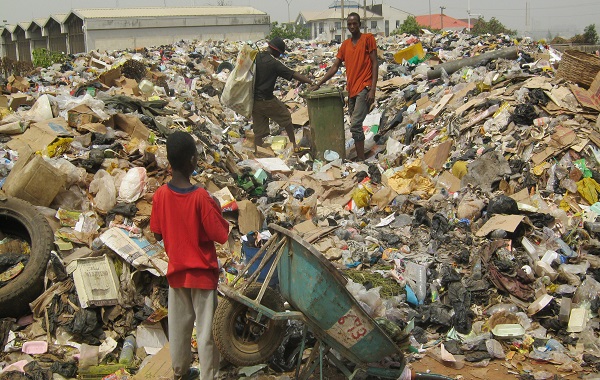
Long before RIWAMA called a meeting about them, Rivers State’s scavengers were already doing the state’s recycling for free, sorting waste nobody else wanted to touch. Now that same workforce has one month to submit itself for compulsory profiling or fall foul of the law. Something in that arrangement should trouble anyone who wants a genuinely cleaner, better-organised waste system, not just the appearance of one.
The policy isn’t wrong in principle. A state with no record of who operates in its scrap trade cannot meaningfully curb theft or vandalism within it. But a reasonable idea can still be built for the wrong population, and that’s where this starts to look less like reform and more like convenience. Consider who is being asked to comply. Scavengers are, almost by definition, the least formally documented population the state deals with, no fixed address, little paperwork history, days spent entirely on the road collecting bottles to eat that night. Handing that population a form, a document checklist, and a thirty-day deadline backed by legal threat assumes everyone can navigate a government office as easily as a salaried civil servant. Miss it, and what happens to someone whose livelihood was informal by necessity, not choice?
Here’s the harder question underneath it all: if every scavenger in the state is profiled tomorrow, does vandalism of government facilities actually stop? Scavengers ripping open bagged waste is one visible form of the problem. But copper wiring doesn’t strip itself from transformers, and manhole covers don’t walk off government property alone. Some of what gets stolen and resold moves through hands far more organised than a bottle-collector pushing a truck, syndicates, complicit buyers, sometimes people with more institutional access than the population currently being profiled. A policy that profiles only the most visible, least powerful end of the chain is solving the easy half of the problem and calling it finished.
None of this excuses scrap dealers from accountability, or makes a registry a bad idea. It means the registry needs a companion policy just as urgent: realistic timelines that account for who is actually complying, real support built into the process, mobile registration points instead of one office, help filling forms, actual protections issued in return for compliance, and enforcement that follows the scrap trade upward, not just down to whoever sells it at the bottom.
Profile the scavengers if the state must. But if the real goal is a Rivers State free of infrastructure vandalism, targeting the population with the least power while leaving buyers and better-connected operators untouched won’t get there. It will produce a well-documented database of the people least responsible for the biggest losses, while the vandalism simply continues wherever it pays best next.
