


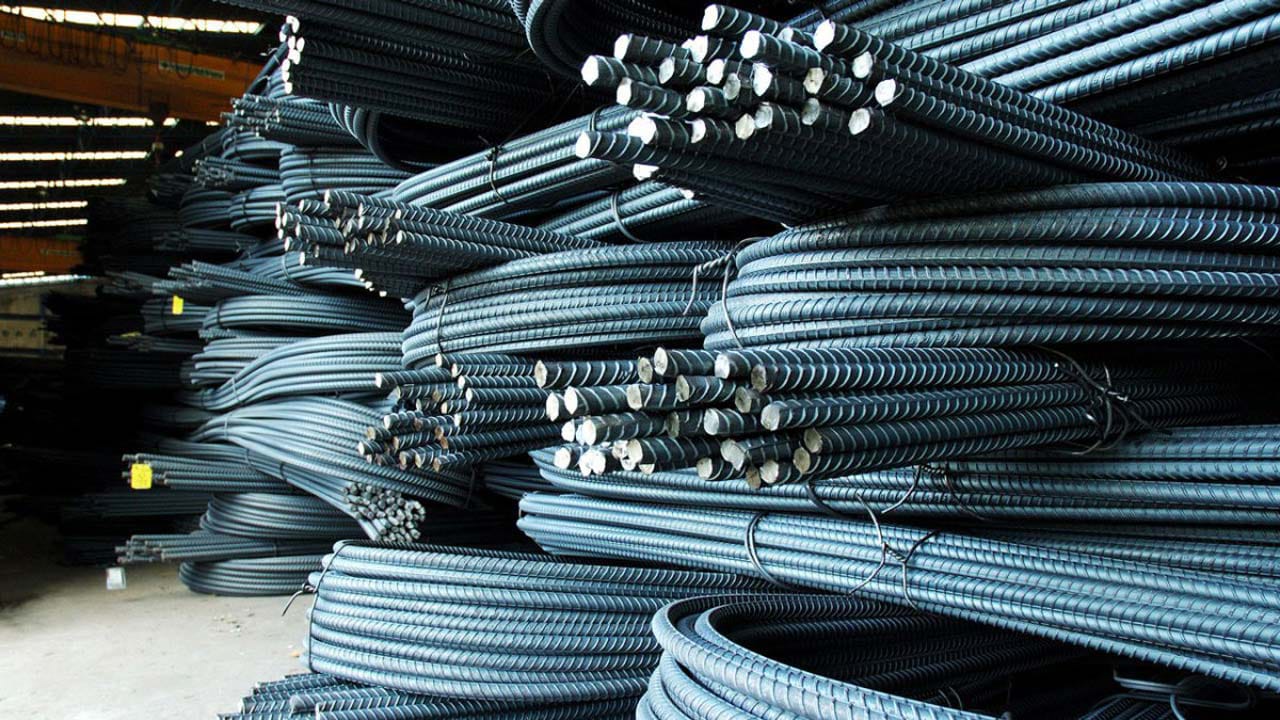
Nigeria’s steel problem is becoming harder to ignore. In 2025 alone, the country spent more than ₦1 trillion importing iron and steel products, a figure that shows the cost of its failure to build a fully functioning domestic steel industry.
For a country with a long history of steel development plans and significant mineral resources, the dependence on imported steel presents an uncomfortable contradiction. Steel is fundamental to construction, manufacturing, transportation, infrastructure and virtually every industrial economy. Yet Nigeria continues to spend billions of dollars each year bringing steel products into a market that should, ideally, be supplied substantially by local producers.
The problem goes beyond the money leaving the country. Heavy dependence on imports exposes Nigerian businesses to foreign exchange pressures, international prices, shipping costs and disruptions in global supply chains. These costs eventually filter down to consumers, particularly in construction, where steel is already a major expense.
Nigeria’s annual steel import requirement has previously been estimated at about $4 billion, underscoring the scale of the opportunity being lost to local production.
At the centre of the conversation is the long-running failure to turn Nigeria’s steel ambitions into sustained industrial production. Ajaokuta Steel Complex has remained largely inactive for decades, despite the enormous resources that have gone into the project. The continued inactivity of such a major industrial asset has become symbolic of Nigeria’s wider struggle to translate industrial plans into productive capacity.
Also see: NNPCL Confirms Oil Resumption in Ogoniland, Says Ogoni Activist
There are, however, signs that the government is attempting to change the situation. In August, the Federal Government signed a $1.3 billion deal aimed at reviving Delta Steel Company in Ovwian-Aladja, Delta State. The project is expected to target production of about one million tonnes of steel annually.
The investment could mark an important step, but reviving steel production is not simply a matter of reopening an old plant. Reliable electricity, access to iron ore, transportation infrastructure, financing and a stable policy environment will determine whether the investment can translate into sustained production.
Nigeria therefore faces a choice that extends beyond reducing an import bill. It can continue importing a material at the heart of modern industrialisation, or finally build the capacity to produce more of what its economy consumes.
The ₦1 trillion spent on steel imports is not merely a statistic. It is a measure of the economic space Nigeria is leaving open for foreign producers while its own industrial capacity remains underdeveloped. If the country succeeds in reviving its steel industry, the benefit could extend far beyond saving foreign exchange. It could mean cheaper and more predictable industrial inputs, stronger manufacturing, new jobs and a deeper foundation for infrastructure development.
