


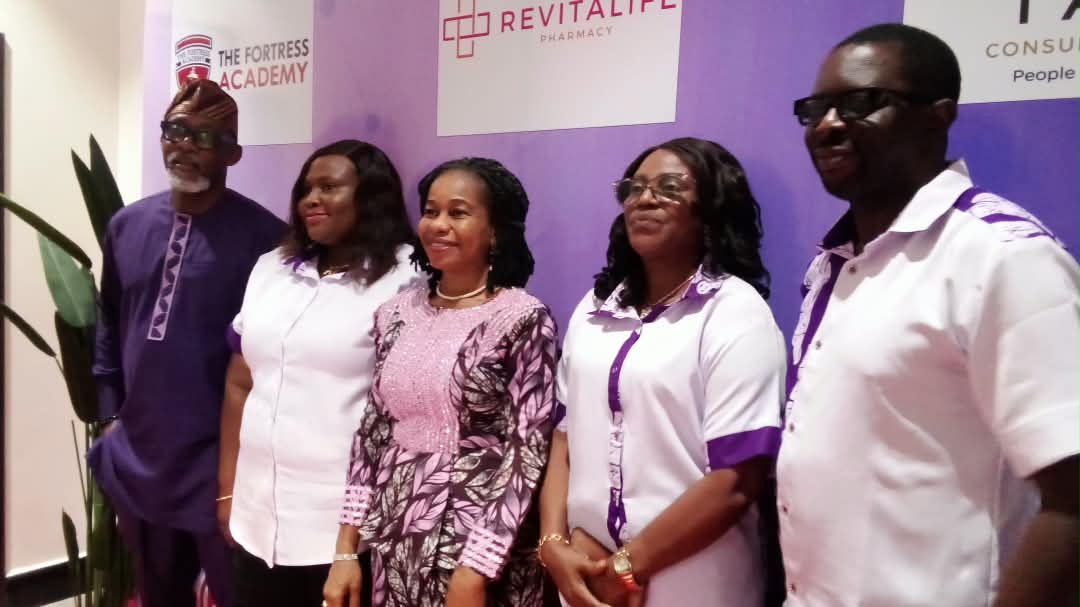
Pregnant women have been advised to prioritise proper maternal care, including regular antenatal services, adequate nutrition and timely treatment of infections and pregnancy-related complications, to reduce the risk of preterm births.
Professor of Paediatrics and Neurology and Deputy Vice-Chancellor, Research and Development, University of Port Harcourt, Prof. Angela Frank-Briggs, advised at the 2026 Preterm Summit in Port Harcourt, organised by the Early Births Awareness and Support Foundation (EBAS).
The summit, with the theme, “Strengthening Preterm Survival in Nigeria: From Access to Outcomes,” brought together healthcare professionals, parents, advocates, policymakers and other stakeholders to discuss ways of improving outcomes for premature babies in Nigeria.
Delivering the keynote address, Frank-Briggs described preterm birth as a “silent emergency”, noting that millions of babies are born prematurely globally every year.
She said the World Health Organisation estimates that about 13.4 million babies were born preterm globally, representing approximately one in every 10 live births.
Read Also: federal-government-targets-20000-annual-medical-admissions-launches-six-simulation-facilities
According to her, complications arising from preterm birth remain a leading cause of death among children under five, stressing that many of the deaths could be prevented through known and cost-effective interventions.
Frank-Briggs said preventing premature births must begin with proper maternal healthcare before and during pregnancy.
She identified antenatal care, maternal nutrition, infection prevention and treatment, prevention and management of hypertension and pre-eclampsia, diabetes screening and management, prevention of maternal anaemia, early identification of high-risk pregnancies and timely referral as critical interventions.
“The first neonatal intervention is, in many cases, good maternal care before the baby is born. We cannot sustainably reduce death from prematurity without addressing the conditions that contribute to premature birth,” she said.
The professor also stressed the need for stronger preconception care, adequate family planning services and improved adolescent reproductive health education.
She urged healthcare providers and policymakers to move beyond having policies on paper to ensuring their effective implementation.
“The challenge is not that we do not have some of these policies in place. The challenge we have in our country is implementation. We must move from policy being on paper to being in practice,” she said.
Frank-Briggs further called for a stronger healthcare continuum, from the womb and community through primary and secondary healthcare facilities to tertiary neonatal units and post-discharge follow-up.
She said access to a health facility alone was not enough, asking whether such facilities had skilled birth attendants, functional newborn resuscitation services, reliable oxygen, infection-control systems, feeding support, kangaroo mother care and timely referral systems.
To illustrate the importance of timely referral and quality neonatal care, she narrated the experience of a premature baby weighing only 700 grammes who was born in a private facility in Rivers State.
According to her, the baby was eventually transferred to a better-equipped facility outside the state, where he received appropriate care and survived.
She disclosed that the boy, who was about 20 years old, was now in university.
Frank-Briggs said the experience demonstrated that survival depended not only on when a baby was born but also on the quality and timeliness of care available.
She added that discharge from a neonatal unit should not be regarded as the end of care, stressing that premature babies require continued monitoring and support after leaving the hospital.
Read Also: federal-government-targets-20000-annual-medical-admissions-launches-six-simulation-facilities
The professor also referenced Nigeria’s Child Survival Action Plan 2025–2029, which she said emphasises a continuum of care from households and communities to primary and higher-level health facilities.
She called for investment in healthcare workers and other personnel responsible for saving the lives of premature babies.
Founder of EBAS, Tari Agiobu, said preterm birth should not be viewed solely as a medical issue, describing it as a family, health-system, policy and human issue.
Agiobu said the focus should extend beyond keeping premature babies alive to creating the conditions necessary for them to thrive.
She noted that approximately one in every 10 babies born in Nigeria is estimated to be preterm, stressing that the figure demands urgent and sustained action.
Agiobu said Nigeria’s estimated preterm birth rate stood at about 9.9 per cent in 2010 and remained around the same level in 2020, describing the lack of significant improvement as a concern.
She urged stakeholders to focus on what happens to premature babies after they are born, particularly whether they receive appropriate care early enough and whether their chances of survival are determined by where they are born.
The EBAS founder also shared her personal experience of losing a set of twins born prematurely about 10 years ago.
She said the experience had strengthened her resolve to advocate for better outcomes for premature babies and their families.
“I cannot change what happened to my babies. But I can choose what their lives will mean,” she said.
Agiobu said the summit was intended to promote collective responsibility among healthcare professionals, parents, advocates, policymakers, partners and faith communities.
Read Also: federal-government-targets-20000-annual-medical-admissions-launches-six-simulation-facilities
She urged stakeholders to have difficult conversations about the gaps in preterm care and work towards ensuring that survival becomes the beginning of a better life rather than the end goal.
A participant at the summit and child intercessor, Rebi Alexander, described the event as impactful, saying it had exposed her to valuable information on kangaroo mother care.
Alexander said the technique had helped her family and urged stakeholders to take information on preterm care to communities across the country, particularly areas where mothers and families have limited access to essential health information.
“This is a very, very impactful event. I wish it could be taken out for more people to see. Personally, I have learnt so much, and it’s shocking to hear that some people still don’t know so much about the kangaroo mother care technique,” she said.
According to her, the technique proved useful in her own case, with her husband and sister assisting her.
Alexander stressed that taking such information to communities would help bridge knowledge gaps and improve outcomes for premature babies.
She also called attention to the psychological needs of women during and after childbirth, urging the inclusion of clinical psychologists and psychiatrists in the wider maternal and childbirth healthcare support system.
