


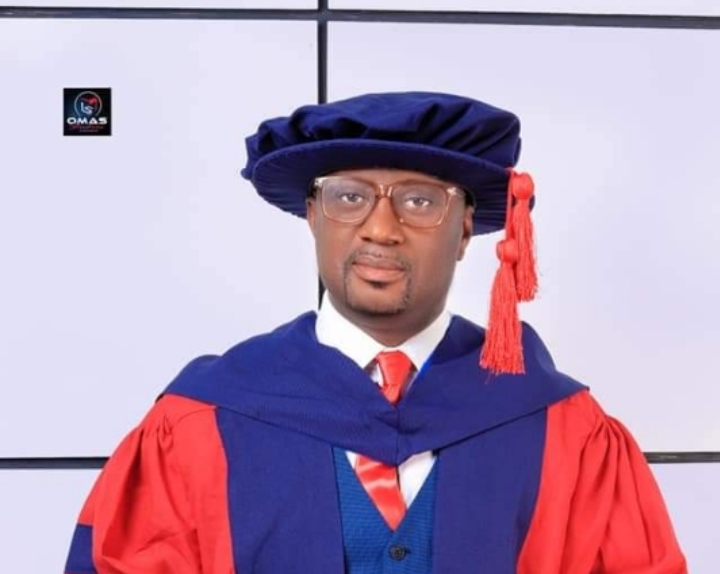
A lecturer at Ignatius Ajuru University of Education, Dr. Joseph Obele, has called on the Joint Admissions and Matriculation Board (JAMB) and the Federal Ministry of Education to reconsider the recent decision exempting candidates seeking admission into Nigeria Certificate in Education (NCE) programmes from writing the Unified Tertiary Matriculation Examination (UTME).
Dr. Joseph Obele expressed concern that although the policy is aimed at increasing enrollment into colleges of education and encouraging interest in the teaching profession, it may unintentionally weaken academic standards within the nation’s educational system.
According to Dr. Joseph Obele, the UTME serves as an important assessment mechanism for measuring the academic preparedness, competence, and readiness of candidates seeking tertiary education admission.
Removing the examination requirement completely for NCE candidates may reduce the quality control process necessary for producing competent teachers in the future.
Dr. Joseph Obele further stated that teachers occupy a strategic position in national development, and any admission policy affecting teacher education must be handled with caution, transparency, and proper consultation with stakeholders in the education sector.
Also see: 40% Perculiar Allowance Approved for Civil Servants
He noted that just as society cannot reduce the criteria required to become a pilot or a medical doctor because of the sensitive nature of those professions, the standards for becoming a teacher should also not be lowered.
According to him, teachers are responsible for training future pilots, doctors, engineers, lawyers, and other professionals, therefore the teaching profession deserves equally rigorous standards.
Dr. Obele emphasized that the criteria for becoming a teacher should rather be made more rigid in order to uphold future academic standards and protect the integrity of the nation’s educational system.
He further explained that if the admission requirements and training standards for teachers become weak, the quality of teachers produced by the system will also become weak.
Consequently, the quality of students and graduates produced by such teachers may decline over time, thereby affecting national development and educational excellence.
While acknowledging the Federal Government’s intention to widen access to education and reduce examination pressure on candidates, Dr. Obele advised that reforms should focus more on improving the quality of teacher training institutions, strengthening teaching practice, and providing incentives that will attract qualified students into the profession.
The lecturer also recommended that instead of complete exemption, JAMB and relevant authorities could introduce alternative screening measures or a simplified assessment process to maintain educational integrity while still achieving greater access to NCE programmes.
In his recommendation, Dr. Obele maintained that JAMB should retain a standardized assessment process for NCE candidates in order to maintain academic quality and ensure that only qualified candidates are admitted into teacher education programmes.
He also advised the Federal Government to improve the welfare, remuneration, and professional status of teachers so that highly competent students would be encouraged to pursue careers in education.
Dr. Obele further recommended regular monitoring, accreditation, and quality assurance measures for colleges of education to ensure that teacher training institutions maintain high academic and professional standards.
He emphasized that educational reforms should prioritize both accessibility and quality assurance in order to sustain public confidence in Nigeria’s tertiary education system.
Finally, he urged policymakers, education administrators, lecturers, and professional bodies to engage in broader consultation before the full implementation of the policy scheduled to take effect next year.
