


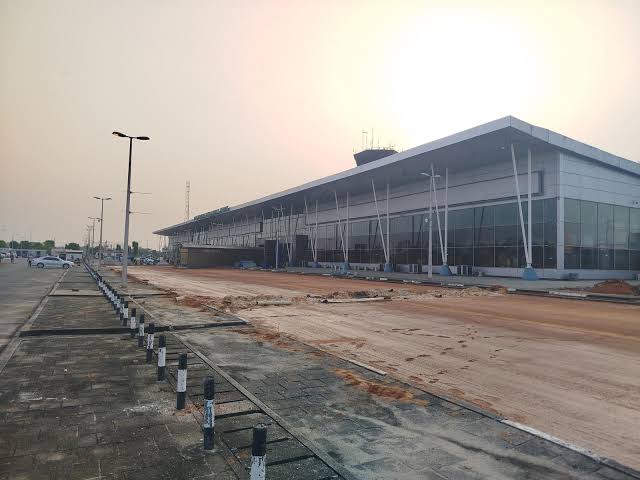
Port Harcourt is at an advantage as new domestic flight operations begin reshaping how residents and visitors move in and out of the oil-rich city.
The introduction of additional flight routes linking Port Harcourt with key Nigerian cities such as Abuja, Kano, Jos, and Calabar has created renewed optimism among frequent travellers, business owners, and tourism stakeholders who have long complained about limited options and rising travel costs.
For many in the city, air travel has often been seen as both necessary and frustrating; necessary because of the city’s importance to Nigeria’s oil and gas economy, and frustrating because of inconsistent schedules, limited seats, and high fares during peak periods.
The arrival of new operators into the space is now being viewed as a potential turning point, especially for professionals who shuttle regularly between Port Harcourt and Abuja for business and government-related engagements.
Residents say the biggest expectation is not just availability, but affordability. With more airlines competing on the same routes, there is growing hope that ticket prices may gradually become more competitive, easing the burden on both corporate travellers and ordinary passengers who save for months to fly.
Also see: Nigeria Opens Second Cohort of National TVET Programme
Travel agents in the city have also noted an increase in inquiries, particularly from young professionals and traders who rely on fast movement of goods and meetings across states.
Beyond business travel, the development is also expected to impact social and family connections. Port Harcourt has one of the busiest domestic travel populations in southern Nigeria, with many residents frequently visiting Lagos, Abuja, and other cities for weddings, education, and personal commitments. The improved connectivity is therefore seen as a means of convenience and reducing the stress of long road journeys.
For a city known for its energy and fast-paced lifestyle, better air connectivity fits naturally into its growing status as a major urban hub in the Niger Delta.
However, expectations remain cautiously optimistic. Frequent flyers still emphasize the need for consistent flight schedules, improved customer service, and better infrastructure support to ensure that the new routes deliver long-term value rather than short-term excitement. Aviation analysts also suggest that sustained success will depend on passenger demand, operational efficiency, and broader economic stability.
