


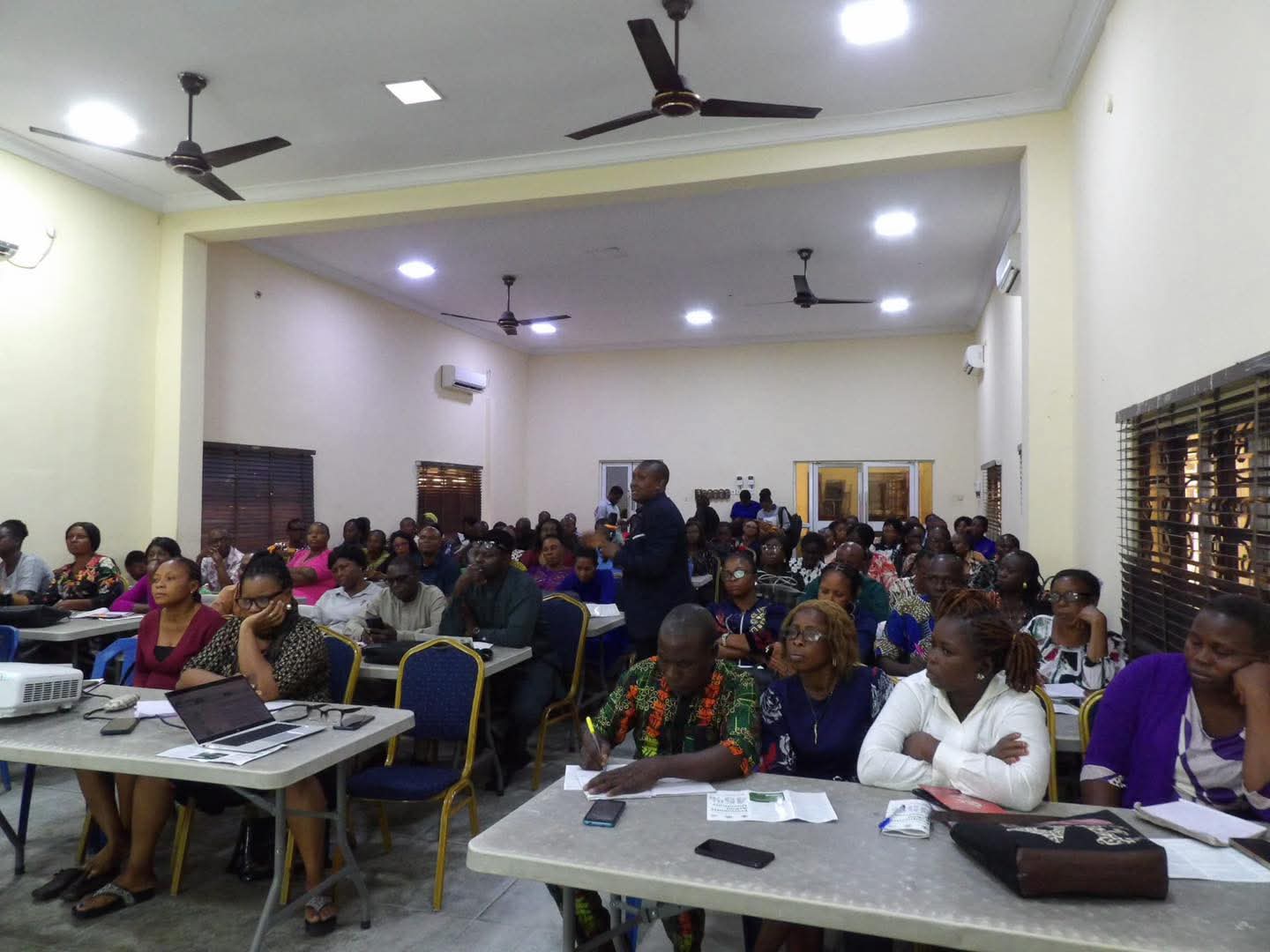
To improve the provision of healthcare services to citizens, the Rivers State Government has commenced training of laboratory scientists and technicians.
The aim is to enhance diagnostic facilities in Primary Health Care Centres (PHCs) and also to improve the use of Basic Health Care Provision Fund (BHCPF).
Two days schedule between 8 and 9 April were set aside for the capacity building exercise which involved all frontline laboratory personnel who were trained to provide accurate, reliable, and timely diagnostic services essential in the provision of healthcare.
Read Also: NITDA Urges Stronger Digital Alignment Drive
The training facilitators like Dr Emmanuel Mustapha, Dr Amefule Princewill, and Dr Gift Oguzor explained to the trainees that laboratory services are very integral in the provision of efficient health services and accurate test results continue to be the bedrock of effective diagnosis. Therefore, the professionals must maintain professionalism at all times.
In one of his speeches, Dr Gift Oguzor called on healthcare professionals to see to it that their patients are seen to quickly without discrimination. It is important to note that every patient should be accorded quality care irrespective of their insurance status.
They were informed about the significance of ensuring compliance with standard operating procedures, even when conducting common laboratory tests like urinalysis.
This seminar also highlighted the significance of the National Health Act (2014) in enhancing universal health coverage, emphasizing the need for equal provision of healthcare services regardless of geographical location. With the help of the BHCPF, the PHCs will be able to provide crucial services like antenatal care, immunization, health education, laboratory services, eye care, and emergency services.
Speaking at the opening ceremony, Dr. Nnesochi Offor emphasized the laboratory’s significance in the operations of PHCs and called upon the participants to perform all necessary tests with professionalism and diligence.
Complementing her view, Dr. Oguzor explained that the results of laboratory tests were not just numbers; rather, they were indispensable instruments for making correct diagnoses and administering proper treatments.
As part of their training sessions, the participants were trained on the significance of working together as a team in health institutions, conducting staff meetings regularly, and being accountable for managing the internally generated resources and BHCPF funds. They were encouraged to keep their laboratories tidy and ready to provide services even in tough conditions.
Dr Barinem Mary Dima, who was in charge of the RIVCHPP, underscored the need for quality healthcare services that are within reach for everyone. Additionally, Dr Barinem highlighted the need for emotional intelligence in providing health services, pointing out that quality health services go beyond diagnostics and extend into treatment and interactions with clients.
The training offered extensive practical sessions whereby the participants were taught the procedures involved in conducting Rapid Diagnostic Tests, pregnancy tests, and HIV tests using appropriate materials. Hepatitis B and HIV kits were also made available to facilitate the training process.
Participants and other stakeholders emphasized that the training is not only about acquiring information but more than that; it is an indication of the efforts by the state government in enhancing the health system and its service delivery.
