


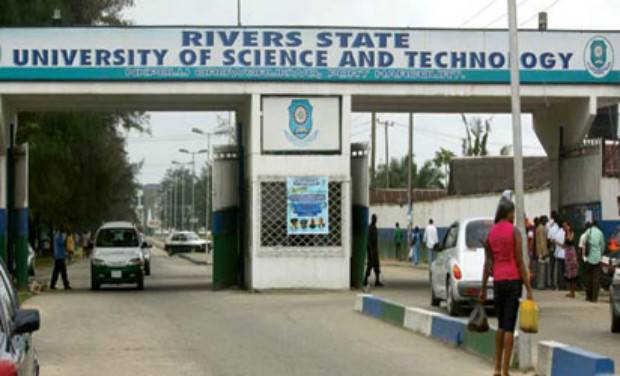
The Vice Chancellor of Rivers State University, Professor Isaac Zeb-Obipi, on Wednesday, March 25, 2026, welcomed scholars, professionals, and guests to the institution’s 128th inaugural lecture held at the Dr. Ezenwo Wike Senate Building, Nkpolu Oroworukwo, Port Harcourt.
In his opening remarks, Prof. Zeb-Obipi set the tone by emphasizing the critical role of universities in addressing Nigeria’s infrastructure challenges through research-driven solutions.
He noted that the persistent failures in highway pavement systems demand urgent academic and professional intervention, stressing that institutions like Rivers State University must remain at the forefront of providing practical, evidence-based answers to national problems.
He formally introduced the inaugural lecturer, Professor Emmanuel Osilemme Ekwulo, describing him as a seasoned expert in highway engineering whose insights would contribute significantly to ongoing conversations around infrastructure development.
Delivering the 128th inaugural lecture titled “Removing Roadblocks: Rebuilding The Foundation For Reliable Highway Pavement Infrastructure,” Prof. Ekwulo presented a detailed analysis of the challenges undermining Nigeria’s highway systems. He identified recurring issues such as inadequate design and construction practices, poor-quality materials, weak enforcement of standards, overloading of roads without proper traffic analysis, insufficient drainage systems, and the persistent problem of corruption and lack of professional integrity.
According to him, “Premature pavement failures in Nigeria are not due to lack of funds alone, but largely due to poor design decisions, weak material standards, and absence of accountability.” He stressed that unless these foundational issues are addressed, investments in road construction would continue to yield substandard results.
Prof. Ekwulo proposed a range of solutions aimed at rebuilding the foundation of highway infrastructure in Nigeria. Central to his recommendations was the adoption of the mechanistic-empirical design approach, which he described as a more reliable and scientifically grounded method for predicting pavement performance. He also called for the development of a localized framework, the Nigerian Empirical and Mechanistic Pavement Design System (NEMPADS), to guide road construction based on Nigeria’s unique environmental and material conditions.
Further recommendations included strengthening standards enforcement and quality control through independent audits, establishing a comprehensive database for local material characterization, and mandating accurate traffic load analysis for all road projects. He also advocated for the use of modified materials and binders to improve pavement durability, as well as the implementation of a National Pavement Management System to ensure systematic maintenance and monitoring of roads across the country.
Highlighting the importance of collaboration, the professor urged stronger partnerships between universities and industry players, noting that applied research, pilot projects, and continuous professional development are essential for sustainable infrastructure growth.
He concluded with a powerful statement: “When we get the foundation right, our pavements will stand the test of time, paving the way for national development.”
In his closing remarks, Prof. Zeb-Obipi commended the inaugural lecturer for what he described as a timely and solution-driven presentation. He reiterated the university’s commitment to research aligned with national development goals, referencing its NDV-12 responsive consortium production framework. He noted that the neglect of fundamental engineering principles has contributed significantly to the state of Nigeria’s highways, adding that the solutions presented are practical and applicable to both government and industry stakeholders.
The Vice Chancellor also highlighted ongoing initiatives within the university, including alumni mentorship programmes, increased participation of academic advisors, professional development opportunities, and systems for tracking faculty impact and achievements. He emphasized that Rivers State University remains dedicated to driving innovation and producing research that directly impacts society.
Also see: PETROAN Urges FG To Intervene as Petrol Prices Rise
Earlier, the Acting Registrar, Dr. Idanyingi I. Daminabo, and the Chairman of the University Lectures Committee, Professor Patrick Nwinyokpugi, played key roles in coordinating the event.
In his vote of thanks, Prof. Nwinyokpugi expressed appreciation to the inaugural lecturer for delivering a thought-provoking and impactful lecture. He encouraged members of the university community to leverage the insights shared for academic growth and societal development, noting the broader relevance of the lecture’s themes to community advancement.
A major highlight of the event was the decoration of Prof. Ekwulo as the 128th inaugural lecturer by the Vice Chancellor, followed by a photo session with dignitaries and attendees.
Speaking with journalists shortly after the event, Prof. Ekwulo reiterated his concerns about Nigeria’s road infrastructure, stating that despite significant budgetary allocations, roads continue to fail prematurely due to poor design, inadequate materials, insufficient testing, and lack of accountability. He emphasized the need for government and stakeholders to adopt globally accepted engineering procedures and ensure strict compliance with standards.
He further explained that the lifespan of any road is directly tied to its design period, typically ranging between 10 to 20 years, and that improved design methods and quality materials can significantly extend durability. On the issue of concrete roads, he noted that while they offer certain advantages, their effectiveness ultimately depends on proper design and application.
The 128th inaugural lecture not only underscored the depth of Nigeria’s infrastructure challenges but also provided a clear roadmap for achieving reliable and sustainable highway pavement systems through technical excellence, institutional reforms, and ethical responsibility.
Destiny Tamunoala Emmanuel
