


There is a particular kind of fatigue that comes with living in Nigeria today. It is not always loud or dramatic. It shows up quietly in the extra ₦500 added to transport fare without warning, in the smaller portions of food that now pass as normal, and in the almost daily recalibration of household budgets that never seem to hold for long.
Inflation, once an economic term discussed in policy circles, has fully entered the home. It sits at the dinner table, rides in public buses, and now even follows Nigerians to the most basic necessity of life, drinking water.
At the centre of this unfolding pressure is the persistent rise in the cost of fuel. The removal of fuel subsidy, followed by successive price adjustments, has fundamentally reshaped the cost structure of almost everything in the country. Petrol, which once served as a relatively stable benchmark for daily planning, is now one of the most unpredictable variables in the economy. When fuel prices rise, everything else follows transport fares, food distribution costs, electricity generation expenses, and even the smallest retail goods.
In the cities, commuters now experience fuel’s ripple effect in real time. Commercial drivers, themselves trapped between survival and sustainability, adjust fares almost instinctively. Passengers argue, negotiate, or reluctantly pay because there are no real alternatives The “just increase small” culture has become the unofficial language of transport economics.
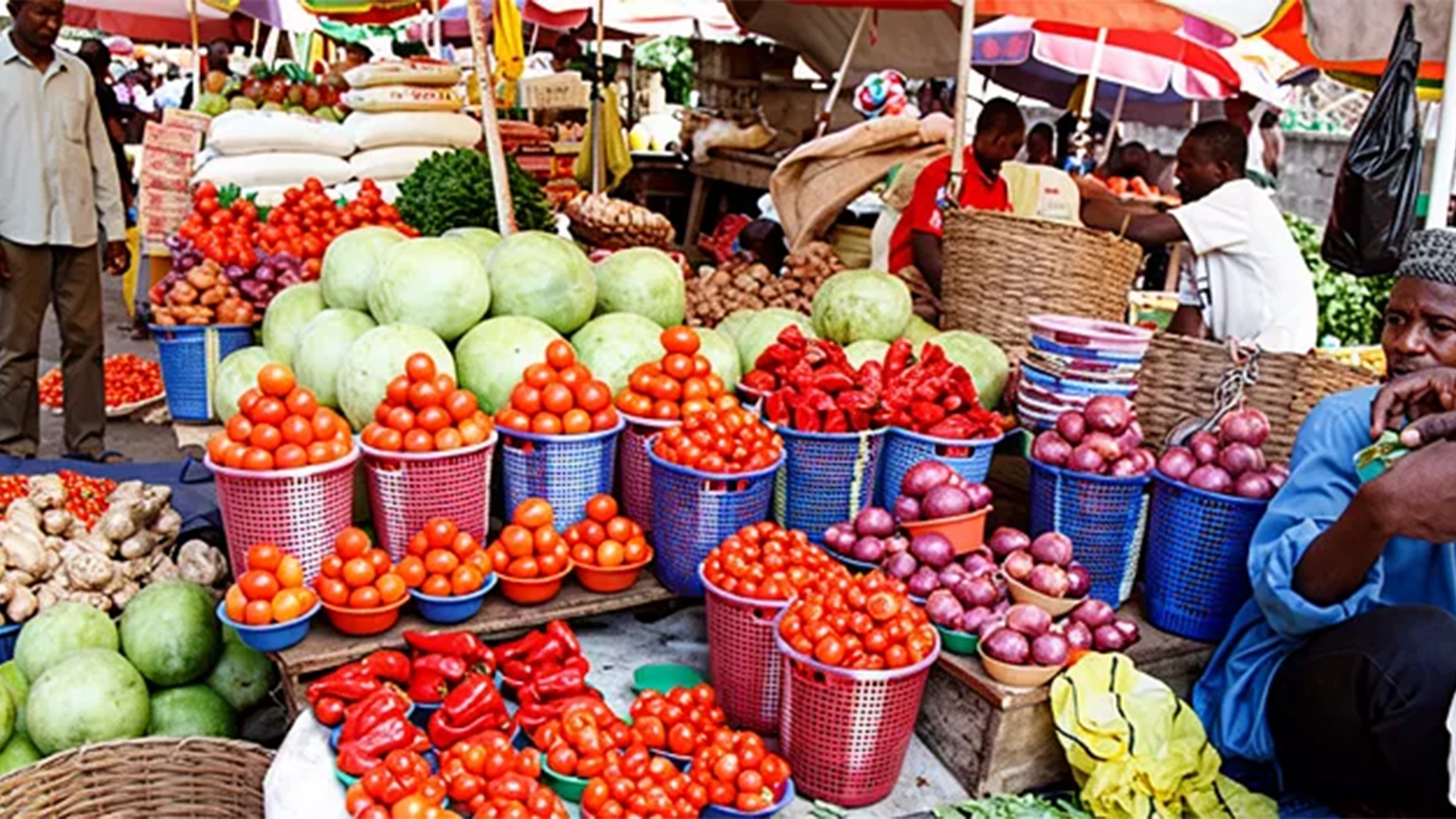
But the impact goes far beyond transportation. Food inflation has intensified, with market traders frequently revising prices upward. A bag of rice that once represented a predictable monthly staple now competes with rent, school fees, and transport for priority in household budgets.
Yet perhaps the most telling symbol of this inflation crisis is something deceptively simple: sachet water.
“Pure water,” as it is widely called, has long been Nigeria’s most accessible form of hydration. It is what students buy after school, what workers drink under the hot sun, what commuters rely on during long journeys in traffic. But even this basic necessity is no longer immune to economic pressure. The price of sachet water has risen steadily in many parts of the country, driven by rising production costs, packaging expenses, fuel-dependent distribution, and electricity challenges faced by small producers.
What ties fuel price increases and sachet water inflation together is not coincidence but structure. The Nigerian economy is heavily dependent on transportation for production and distribution. When fuel prices rise, the cost of moving goods increases immediately. Manufacturers pass that cost down the chain, wholesalers adjust, retailers respond, and the final consumer bears the weight. It is a cascading effect that leaves very little untouched.
For ordinary Nigerians, however, these economic explanations offer little comfort. What matters is the lived reality, salaries that remain stagnant while prices move almost weekly. A civil servant earning the same income suddenly finds that transport alone consumes a growing portion of the monthly budget. A trader discovers that restocking goods yields less profit because replacement costs have risen again. A family that once managed comfortably now finds itself constantly making trade-offs.
Yet amid the hardship, there is resilience. Nigerians continue to adjust, improvise, and endure. Households share resources more deliberately. Workers explore side incomes, Traders renegotiate margins, But resilience should not be mistaken for resolution. A population’s ability to cope is not the same as an economy’s ability to function sustainably.
The truth is simple and uncomfortable, until fuel pricing stabilises and broader inflationary pressures are addressed through coherent policy and structural reform, the cost of living will continue to rise in ways that touch even the most basic elements of daily life.
Read also: Nigeria Faces Growing Youth Addiction Crisis
