


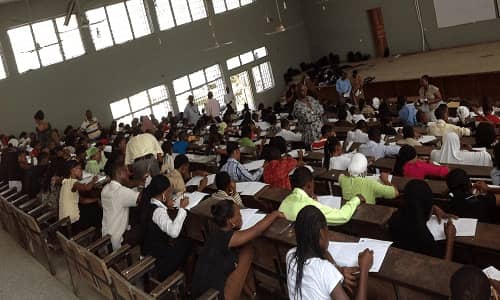
In Nigeria, the title “lecturer” still commands a level of respect in society. Many people associate university lecturers with prestige, intellectual authority, and a stable middle-class life but behind that perception lies a difficult reality that is rarely discussed openly, which is survival.
Across universities in the country, lecturers are increasingly forced to direct a system that does not adequately reward the very people responsible for shaping the nation’s future. Being a lecturer in Nigeria today often requires more than teaching and research. It requires endurance.
For many academics, their salaries alone are no longer enough to sustain a decent standard of living. Between rent, transportation, family responsibilities, and the rising cost of food and utilities, the income of many university lecturers struggles to keep up with economic realities.
Some lecturers take on consultancy work or private academic engagements. Others teach in multiple institutions at once. Many venture into side businesses such as farming, trading, writing, or small-scale entrepreneurship, simply to bridge the gap between their salaries and their daily needs.
While there is nothing wrong with professionals seeking additional income, the situation raises an uncomfortable question: how can a country expect academic excellence when the people responsible for educating its next generation are constantly preoccupied with financial survival?
Universities are supposed to be centres of research, innovation, and intellectual development. Yet in many cases, lecturers operate within an environment where funding for research is limited, facilities are outdated, and welfare remains a recurring source of tension.
Also see: Suspected Gunmen Shoot Timber Truck Driver Dead in Ahoada East
Over the years, lecturers and education stakeholders have repeatedly raised concerns about the welfare of academics and the long-term effect it could have on the quality of education in the country.
The most troubling part of this situation is how normal it has become. The struggle of lecturers is no longer shocking, it is expected.
A nation that undervalues its educators risks undermining its own future. Universities are not just institutions that award degrees they are places where ideas are developed, knowledge is produced, and leaders are shaped. When lecturers are forced to spend more energy trying to survive than advancing knowledge, the entire system suffers.
To strengthen universities and compete in a global knowledge economy, actions must move beyond temporary solutions and strike negotiations. It must confront the deeper issue of how the country values the people who teach, research, and mentor the next generation.
