


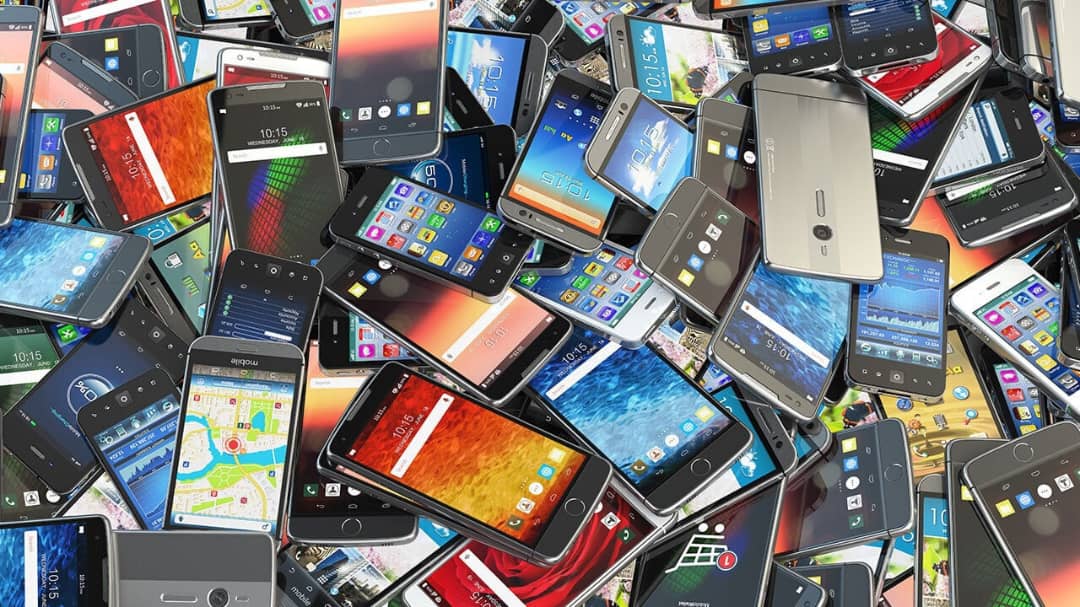
Mobile phones have become one of the most important inventions of the modern world. In a society where distance once made communication difficult, these devices now allow people to reach family members, friends, and colleagues within seconds.
A parent can check on a child in another city, partners can maintain relationships across long distances, and business can be conducted from almost anywhere.
This level of accessibility has transformed everyday life. Mobile phones have made it easier to share information, respond to emergencies, run businesses, and maintain relationships. For many people, especially those living far from loved ones, the phone is a lifeline that keeps conversations alive and relationships strong.
However, alongside these benefits, the growing presence of mobile phones has also introduced new social concerns.
One of the most noticeable changes is the way people now respond to situations happening around them. Instead of reacting as active participants, many individuals have become observers behind a mobile phone’s camera. The instinct to record often comes before the instinct to intervene.
In a recent reported case, two men were involved in a physical fight while a crowd gathered around them. Rather than separating the men or seeking help, several people in the crowd focused on recording the altercation with their phones.
Also see: CDC Chairmen Tasked to Promote Rivers Health Insurance Scheme
During the fight, one of the men picked up a sharp object and attacked the other. By the time the situation was brought under control, the injured man had lost his life. In circumstances like this, observers have questioned whether the outcome might have been different if someone had stepped forward earlier to stop the fight or call for help.
The mobile phone has made it easier to document events, but it has also created an environment where some people feel compelled to capture moments rather than respond to them responsibly.
The rise of social media has played a role in this behaviour. Online platforms reward visibility and attention, and this sometimes encourages individuals to record shocking or emotional situations simply to create content. What might once have been handled privately or responsibly can quickly become public material shared widely across the internet.
Despite these concerns, mobile phones remain an essential and beneficial part of modern life. They continue to help people communicate, learn, work, and stay informed. They are also powerful tools for documenting important events, raising awareness, and connecting communities.
The challenge lies in how they are used. Technology itself is neutral. Its impact depends largely on the choices people make while using it. When used responsibly, mobile phones strengthen relationships and improve access to information. When used carelessly, they can contribute to a culture where attention sometimes takes priority over empathy.
