



The Federal Government has reaffirmed its commitment to making culture a major driver of national development, economic growth and employment generation in Nigeria.
The Minister of Arts, Culture, Tourism and Creative Economy, Hannatu Musa Musawa, stated this at the opening ceremony of the 38th edition of the National Festival of Arts and Culture (NAFEST) 2026, describing culture as more than entertainment but a strategic instrument for nation-building.
Musawa, represented by the Permanent Secretary of the Ministry, Alhaji Abdulkarim Ibrahim, said the Federal Government had placed culture at the centre of its national development agenda, stressing the need to harness Nigeria’s cultural heritage for economic prosperity and international recognition.
“Culture is not just our heritage, but our goal, and as such, we must make a collective commitment to connect our culture to prosperity and to the world,” she said.
She described the festival as an opportunity to celebrate the identity, creativity, resilience and shared heritage of Nigerians, noting that its theme, “Connected Culture”, reflected the strength of the country’s diversity.
According to her, Nigeria’s more than 250 ethnic groups, over 500 languages and diverse traditions are not sources of division but valuable cultural assets capable of strengthening national unity.
She explained that culture connects Nigerians to their ancestors, one another and future generations, urging the country to leverage these connections towards building a stronger and more prosperous nation.
The Minister also highlighted the economic potential of the creative industry, describing culture as a source of employment, investment and international diplomacy.
She noted that the creative economy was providing opportunities for millions of young Nigerians across music, fashion, crafts, content creation, tourism, festivals and carnivals.
Earlier, the Governor of Enugu State, Dr. Peter Ndubuisi Mbah, said the significance of cultural festivals extended beyond stage performances, colourful costumes and musical displays to include the shared values, identity and relationships that unite communities.
Read Also: rivers-moves-to-strengthen-business-human-rights-protection
Represented by the Secretary to the State Government, Prof. Chidiebere Onyia, the Governor described NAFEST as an opportunity to celebrate Nigeria’s identity and rich cultural heritage.
“Today, we celebrate Nigeria in Enugu. What we are celebrating this week is not just arts, not just performance, not just heritage, but the soul of Nigeria,” he said.
Mbah noted that the 2026 edition of NAFEST came at a time when culture was increasingly recognised globally as an important economic driver rather than merely a form of entertainment.
He expressed the state’s honour in hosting the festival, describing it as part of a broader national conversation on repositioning culture as a pillar of economic development.
He stressed that arts and culture were powerful economic assets capable of generating employment, stimulating tourism, empowering young people and projecting Nigeria’s image positively to the international community.
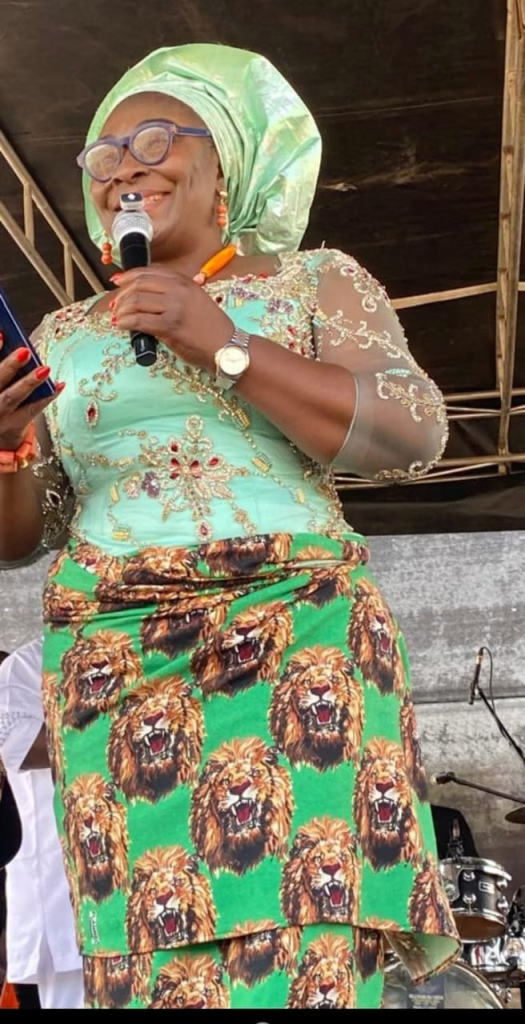
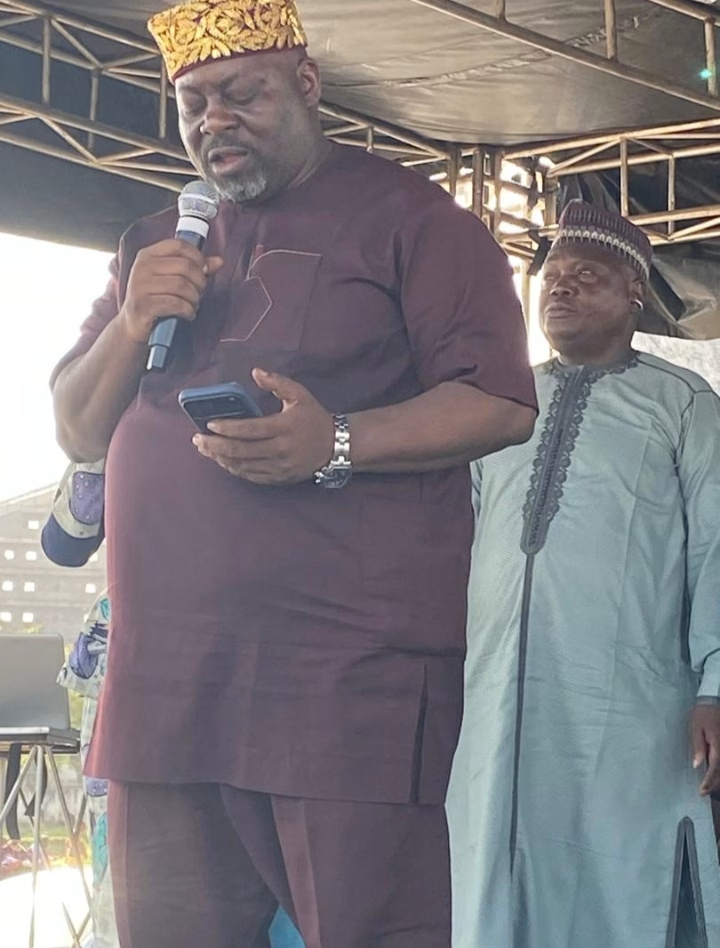
In his goodwill message, the Director-General of the National Council for Arts and Culture (NCAC) and Festival Director of NAFEST 2026, Obi Asika, appreciated the Enugu State Government and its people for hosting the festival and welcoming participants from across the country.
He described NAFEST as more than an annual celebration, noting that it provides an important platform for strengthening cultural connections and building a sustainable creative economy.
Also speaking, the Enugu State Commissioner for Culture and Tourism, Ugochi Madueke, welcomed delegates and participants to the 2026 festival.
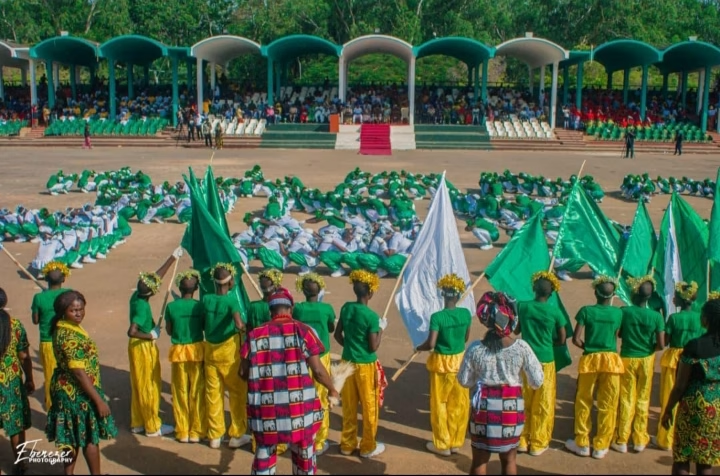
The opening ceremony featured a calisthenics display by students of Enugu Smart Green School, Owo, Enugu State.
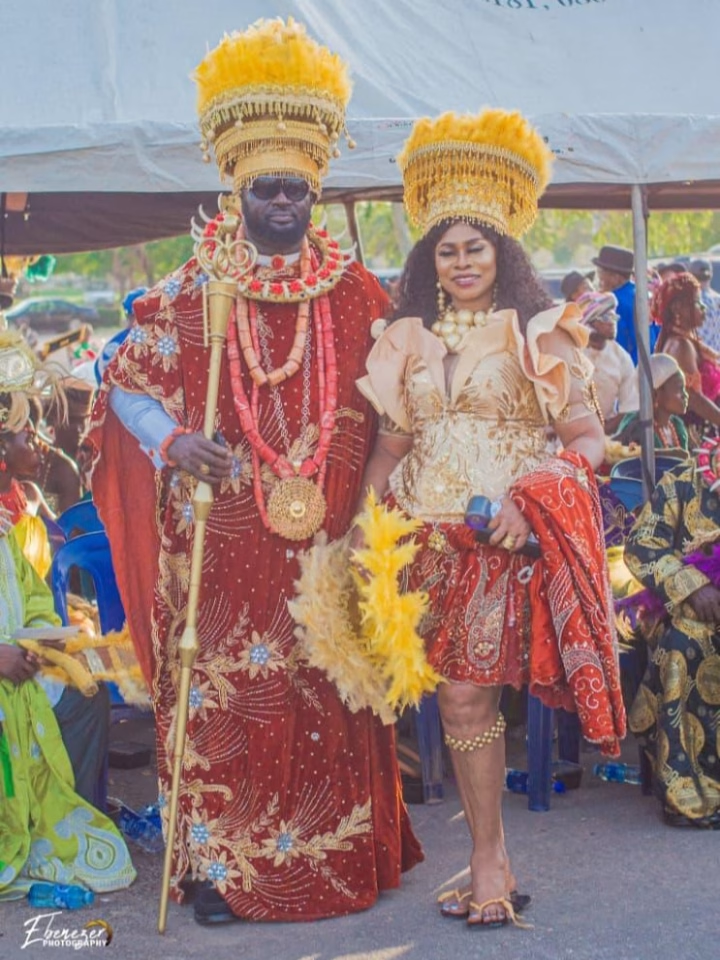
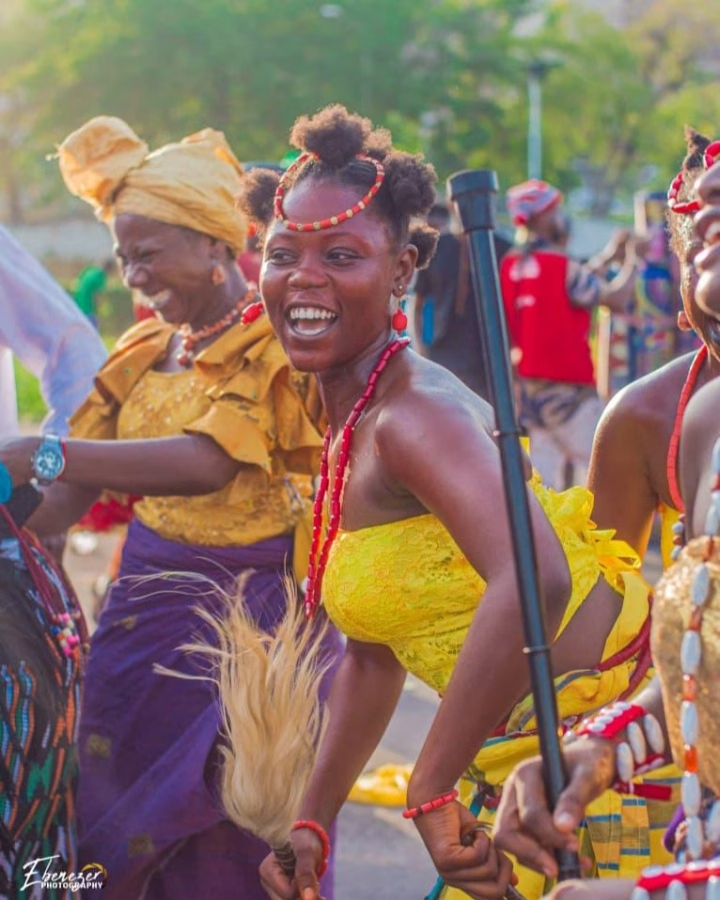
A major highlight was the cultural march-past by participating states, showcasing Nigeria’s rich cultural diversity, with Abia State leading the procession in alphabetical order.
Rivers State also featured prominently, with its contingent displaying the colourful traditional costumes and cultural identities of the state’s diverse ethnic groups.
The Permanent Secretary of the Rivers State Ministry of Culture and Tourism, Mr. Freddy Ndigbara, was among the officials who participated in the procession.
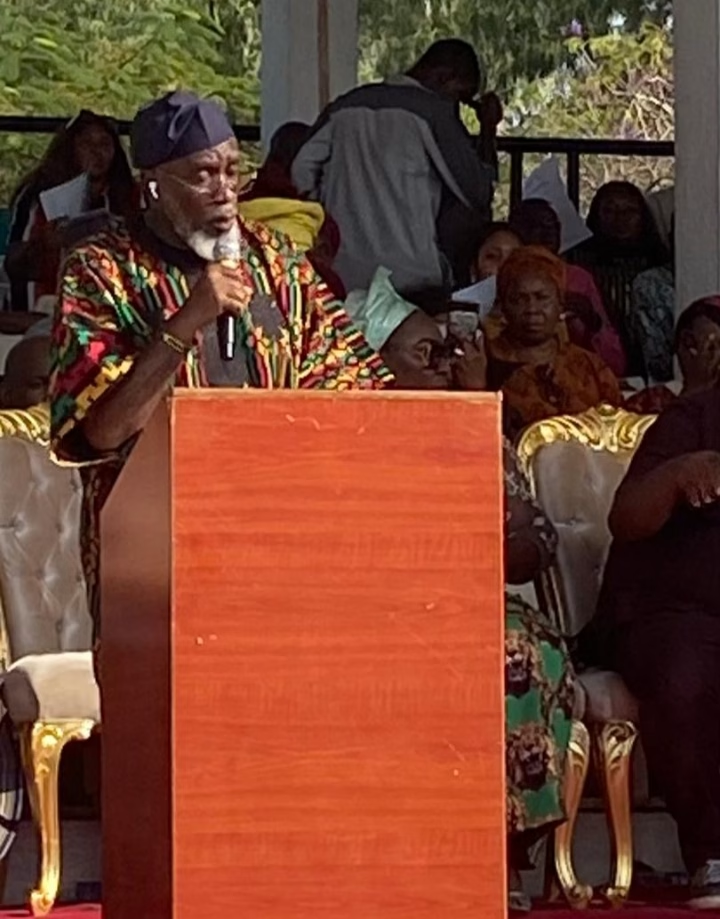
The ceremony ended with a vote of thanks delivered by the Executive Secretary of the Enugu State Council for Arts and Culture, Laurence Ani.
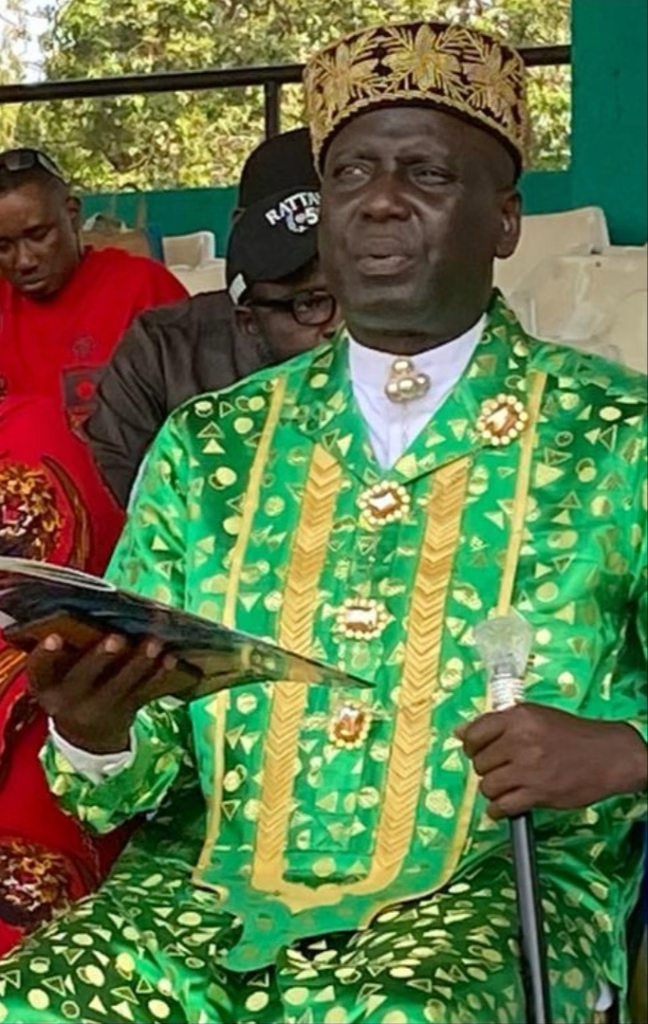
Traditional rulers, commissioners and permanent secretaries from participating states, alongside other dignitaries, attended the opening ceremony.
