


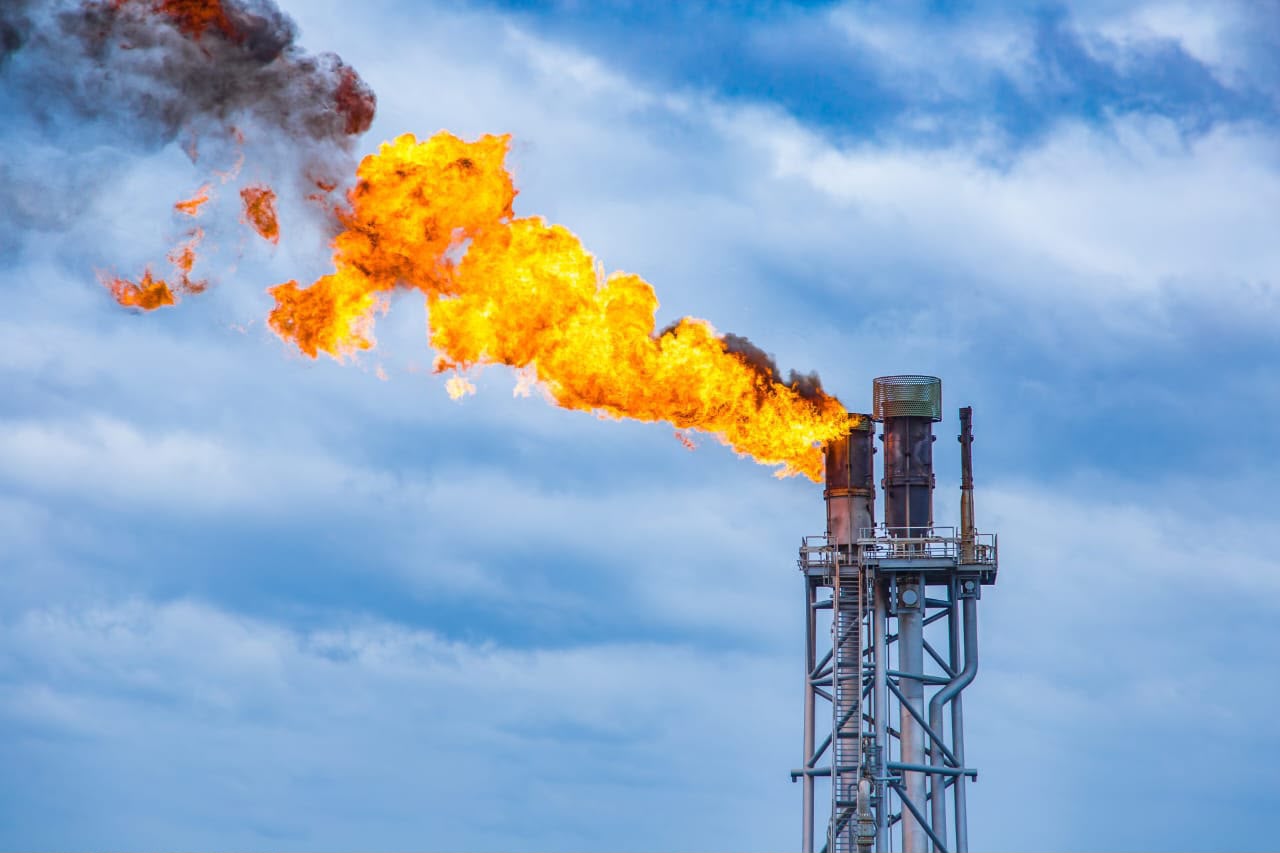
For decades, the Niger Delta has remained at the centre of Nigeria’s oil and gas industry, contributing significantly to the country’s economy. Yet, for many communities in the region, the benefits of this resource wealth have not matched the environmental and social costs of living close to oil and gas operations.
One of the biggest concerns is gas flaring, a practice that continues to raise questions about environmental protection, public health, corporate responsibility and the government’s commitment to ending pollution in the region.
Gas flaring occurs when natural gas produced alongside crude oil is burned instead of being captured, processed or put to productive use. Although it is sometimes used as a safety measure during oil production, routine flaring releases carbon dioxide, methane and other pollutants into the atmosphere.
For communities across Rivers, Bayelsa, Delta and other oil-producing states, the consequences go beyond the visible flames around oil facilities. Residents have long raised concerns about air pollution, persistent heat, damaged vegetation, contaminated water sources and the effects of industrial emissions on their livelihoods.
The health implications are also an important part of the debate. A 2024 study published in the West African Journal of Medicine examined respiratory effects among residents chronically exposed to gas flaring in some Niger Delta communities.
Other environmental studies have identified potentially harmful pollutants in dust collected around flare sites. These findings reinforce concerns about the long-term effects of exposure, although the level of risk varies by location and exposure.
According to the US Energy Information Administration, Nigeria flared approximately 229 billion cubic feet of natural gas in 2024, representing a 12 per cent increase from the previous year. The country ranked seventh globally in gas flaring volume that year. U.S. Energy Information Administration (EIA)
The Petroleum Industry Act 2021 and the 2023 Gas Flaring, Venting and Methane Emissions Regulations provide penalties and frameworks for reducing flaring and encouraging the commercial use of flare gas. However, exemptions and gaps in enforcement mean that having regulations does not automatically translate into an end to the practice.
Communities that have hosted oil and gas operations for generations should not have to continue bearing the environmental costs of an industry whose resources contribute to national revenue.
Nigeria’s transition from routine gas flaring requires more than policy announcements and targets. It requires measurable reductions, transparent enforcement, investment in gas infrastructure and proper environmental monitoring.
