


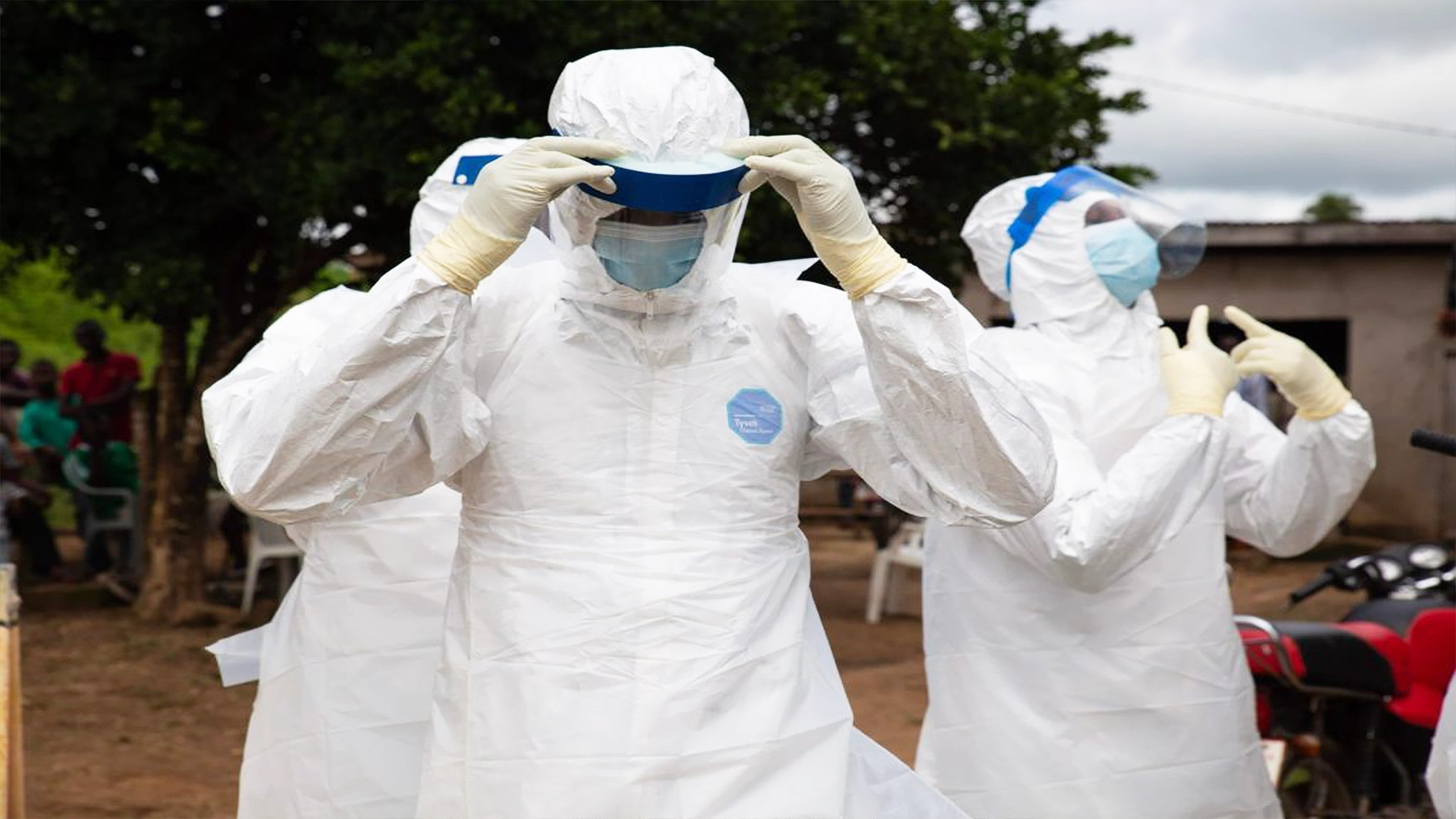
The Federal Government has confirmed an Ebola virus disease case in Abuja after a woman who recently returned from Uganda tested positive for the infection at Nizamiye Hospital.
The Minister of Health and Social Welfare, Prof. Muhammad Ali Pate, announced the development on Tuesday, October 20, saying contact tracing had commenced to prevent further transmission.
According to the minister, the woman arrived in Nigeria on an international flight from Uganda and received treatment at a private hospital in the Federal Capital Territory before her infection was confirmed.
She is currently in isolation and receiving medical care.
The government said 44 close contacts had been identified, while public health teams were working to trace and monitor other potentially exposed individuals, including healthcare workers, patients, caregivers and fellow travellers.
The Federal Ministry of Health and Social Welfare, the Nigeria Centre for Disease Control and Prevention (NCDC), and the FCT Health Services Secretariat are coordinating efforts to contain the infection.
Surveillance has been intensified, and healthcare facilities nationwide have been urged to remain alert, promptly isolate suspected cases, and report them to public health authorities.
The government has also begun supporting the hospital where the woman was treated to strengthen infection prevention and control measures.
Read Also: yeac-nigeria-demands-free-orthopaedic-care-for-aleto-gas-explosion-victims
Pate urged Nigerians to remain calm, practise regular handwashing and avoid contact with the blood and other bodily fluids of anyone suspected of having Ebola.
Symptoms of the disease include fever, severe weakness, headache, muscle pain and sore throat. Vomiting, diarrhoea, rashes and internal or external bleeding may also occur.
The government advised anyone experiencing symptoms after possible exposure to avoid close contact with others and seek guidance from public health authorities.
The confirmation comes amid regional concerns about Ebola transmission. The NCDC had earlier warned of the risk of imported infections following a confirmed case in Kenya linked to an outbreak in the Democratic Republic of the Congo.
According to the World Health Organisation, Ebola spreads through direct contact with the blood or other bodily fluids of infected people who have developed symptoms, as well as contaminated objects and surfaces. The incubation period ranges from two to 21 days.
Nigeria previously experienced an Ebola outbreak in 2014 after an infected traveller arrived in Lagos from Liberia.
According to the United States Centers for Disease Control and Prevention, the country recorded 19 laboratory-confirmed cases and one probable case during the outbreak. Eight deaths were recorded among the confirmed and probable cases, while 894 contacts were identified and monitored.
The outbreak was eventually contained through coordinated public health interventions.
Authorities are continuing contact tracing and surveillance following the latest confirmed case.
