


Sixty-six years ago today, Nigeria stepped into a new era.
On October 1, 1960, after years of political agitation, constitutional negotiations and growing demands for self-government, Nigeria finally gained independence from British colonial rule.
It was not an overnight process. Different constitutional reforms gradually gave Nigerians greater control over their affairs, while nationalist leaders continued to push for complete self-government. By 1960, the country was ready to take that final step.
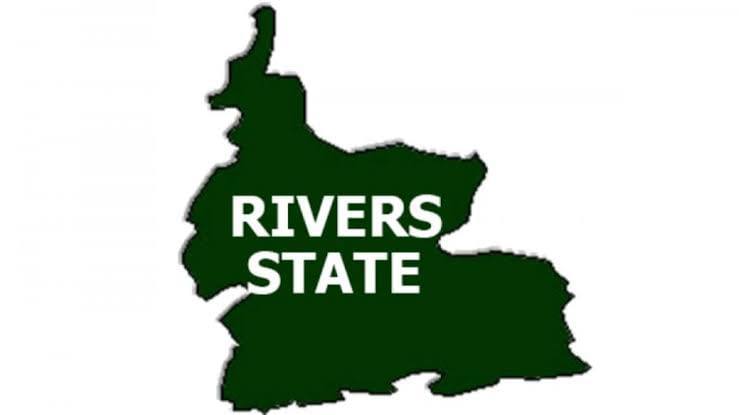
But the Rivers State we know today did not yet exist.
In 1960, the area was part of the Eastern Region. Seven years later, in 1967, Rivers State was created, with Port Harcourt as its capital.
That changed the political and administrative identity of the area, giving its people a state of their own and turning Port Harcourt into an increasingly important centre for government, commerce and industry.
Then came the oil boom.
With Rivers becoming one of Nigeria’s major oil and gas-producing areas, Port Harcourt expanded rapidly. New businesses emerged, industries grew, roads and public institutions developed, and the city attracted people from different parts of Nigeria looking for opportunities.
Education also expanded, while Rivers developed a stronger presence in Nigeria’s political, commercial, cultural and entertainment life.
Today, Rivers is far more than the territory that existed around independence. It is an oil and gas powerhouse, a major commercial centre and home to a rich mix of riverine communities, traditions, festivals, food, music and creative talent.
But 66 years after independence, the story is no longer only about what freedom brought. It is also about what Rivers can build next.
As conversations around tourism, culture and economic diversification grow, the state is being challenged to look beyond its dependence on oil and make greater use of the history, people, creativity and natural beauty it already possesses.
From independence in 1960 to the creation of Rivers State in 1967 and the transformation of Port Harcourt into one of Nigeria’s major cities, the journey has been significant.
And on another Independence Day, the question is simple: what would the next 66 years look like?
