


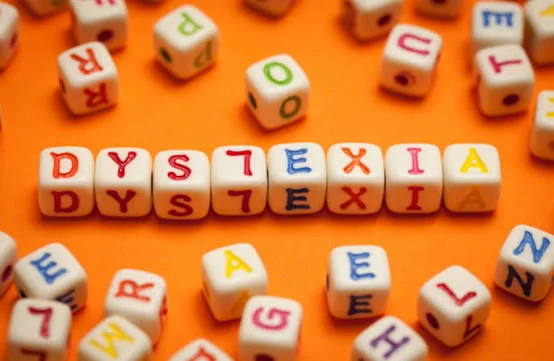
Stakeholders have called for wider use of Artificial Intelligence (AI) and assistive technologies to support children with dyslexia and improve their reading and writing abilities in Nigeria.
They made the call on Wednesday in Lagos, stressing that technology could provide personalised support for children who struggle with reading, spelling and written communication.
Dyslexia is a learning difficulty that can affect a child’s ability to read and process written language, despite having normal intelligence and the potential to learn.
Miss Praise Okafor, a health writer, said children with dyslexia are often misunderstood in conventional classrooms. She noted that some are wrongly regarded as lazy or academically weak because their difficulties are not identified early.
Okafor urged schools to combine technology with professional assessments and personalised teaching methods to better support affected pupils.
A special needs education consultant, Mr Chinedu Eze, said teachers must receive adequate training to effectively use assistive technologies. He explained that educators need to recognise the early signs of dyslexia and understand the appropriate digital tools for individual learners.
Mrs Amina Bello, a primary school teacher in Lekki, highlighted speech-to-text and text-to-speech tools as useful technologies for dyslexic pupils. According to her, children who have difficulty reading instructions can listen to them, while speech-to-text applications can help pupils express their thoughts in writing.
However, Bello warned that children should not become overly dependent on digital tools.
Mr David Ibrahim, an educational technology developer, called for affordable AI-powered learning platforms designed specifically for Nigerian children. He pointed out that many families cannot afford costly subscriptions or have access to reliable high-speed internet.
Ibrahim urged developers to create applications that work offline, use minimal data and provide educational content that reflects the Nigerian environment.
Mrs Ngozi Nwosu, a parent, identified affordability as another major challenge, calling on governments, schools and technology companies to ensure that children from low-income families can access assistive learning tools.
An education researcher, Prof. Samuel Adeyemi, said digital inclusion must be a key part of Nigeria’s approach to using AI in education.
He warned that children in rural areas could be left behind if schools lack electricity, internet access, computers and trained personnel. He therefore called for stronger collaboration among government agencies, technology companies, schools, parents and non-governmental organisations.
The stakeholders also stressed the importance of public awareness and early identification of dyslexia. They advised parents to seek professional assessment rather than relying solely on AI applications to identify learning difficulties.
According to them, the success of AI-assisted learning will depend largely on affordability, accessibility, teacher training and responsible use.
They maintained that when properly deployed, technology could help children with dyslexia overcome learning difficulties, build confidence and participate more effectively in the classroom.
