


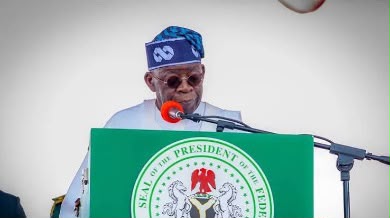
The Federal Government has launched a new renewable energy programme aimed at helping one million Micro, Small and Medium Enterprises (MSMEs) access affordable and reliable clean energy.
Known as the Tinubu Light Initiative, the programme is expected to reduce the high cost of doing business, create jobs and boost industrial development across the country.
The initiative was unveiled by the National Board for Technology Incubation (NBTI) during the National Showcase of the NextGen Innovation Challenge 2026 in Abuja.
Speaking at the event, the Director-General and Chief Executive Officer of the NBTI, Dr Kazeem Raji, said the programme would generate more than 50,000 direct jobs while encouraging the use of renewable energy and strengthening local production.
Raji said the initiative was designed in response to the energy challenges confronting Nigerian businesses, particularly the high cost of powering businesses with generators due to unreliable electricity supply.
He said the programme would use innovative financing models, partnerships and renewable energy technologies to make clean energy more accessible to MSMEs.
Read Also: finidi-reacts-to-rivers-uniteds-caf-champions-league-draw
“The Tinubu Light Initiative seeks to change this narrative. Through innovative financing models, strategic partnerships, renewable energy technologies and nationwide implementation, this initiative will provide affordable clean energy solutions to one million Nigerian MSMEs.”
According to him, reducing energy costs could allow business owners to redirect their savings into expanding their businesses, increasing productivity and creating more employment opportunities.
The NBTI boss said the initiative would also support the local assembly and production of renewable energy equipment, reduce carbon emissions and expand access to digital financing, particularly for women and young entrepreneurs.
Describing the programme as more than an electricity project, Raji said it was also designed to address employment, poverty reduction and economic productivity.
“This initiative goes beyond electrification. It is an industrial policy. It is an employment strategy. It is a poverty reduction programme.”
He said the programme aligns with President Bola Tinubu’s Renewed Hope Agenda, particularly the administration’s focus on using innovation, science, technology and entrepreneurship to drive economic growth.
Raji also spoke on the 2026 NextGen Innovation Challenge, which attracted applications from innovators working in areas including renewable energy, agriculture, artificial intelligence, healthcare, biotechnology, manufacturing, education and financial technology.
He said the high level of participation showed that Nigeria had no shortage of innovative ideas, but needed stronger systems to turn those ideas into successful businesses.
“Our challenge has never been a lack of ideas. Our challenge has been creating the right ecosystem to nurture those ideas into globally competitive enterprises.”
Raji said the innovation challenge had therefore evolved beyond a competition, becoming a platform for connecting innovators with investors and helping to bring locally developed technologies to the market.
