

AD

Security Begins with Intelligence, Not Checkpoints

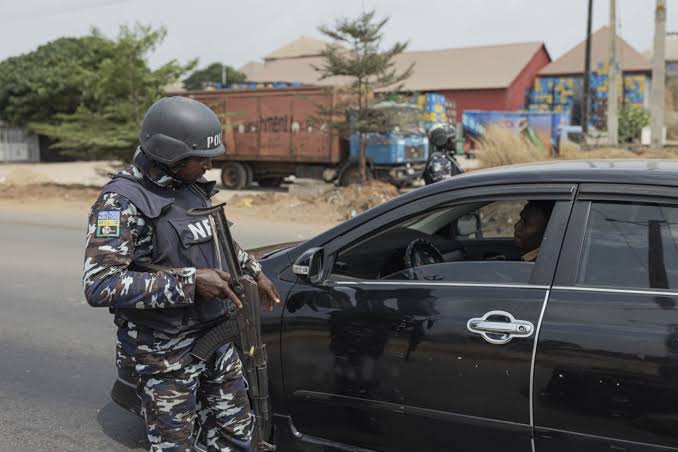
Across Nigeria’s highways, security checkpoints have become a familiar sight. Motorists slow down, roll down their windows, answer routine questions, and continue their journeys after a brief inspection.

In many places, these checkpoints are intended to reassure the public that security agencies are present and alert. Yet, despite their growing numbers, kidnapping, armed robbery, banditry and other violent crimes continue to threaten lives and livelihoods.

This contradiction forces us to confront an uncomfortable truth: security is not measured by the number of checkpoints on our roads. It is measured by the ability of the state to prevent crime before it happens. And prevention begins with intelligence.

No nation has ever defeated organised crime simply by mounting roadblocks. Criminals adapt quickly. They study security patterns, identify weak spots and change their routes or methods whenever necessary. While security officers remain stationed at fixed locations, criminal networks continue to evolve, often staying one step ahead. The result is a reactive approach to crime that catches too few perpetrators and offers little comfort to citizens living in fear.

This is not to suggest that checkpoints have no value. They can intercept stolen vehicles, recover illegal weapons, arrest fleeing suspects and deter opportunistic criminals. In emergencies, they are an important policing tool. However, they should complement a broader security strategy, not become the strategy itself.

Every successful kidnapping, armed robbery or terrorist attack follows a pattern. There is usually planning, surveillance, communication, financing and movement of people and equipment. Criminals do not simply appear from nowhere. They leave footprints, phone calls, financial transactions, suspicious meetings, unusual movements and local collaborators. Detecting these warning signs requires intelligence, not luck.

Technology must become central to Nigeria’s security architecture. Surveillance cameras in strategic locations, drones for monitoring forests and border communities, digital mapping, forensic laboratories, biometric databases, communication interception within the limits of the law, and data-driven policing should no longer be viewed as luxuries. They are essential instruments for modern security management.

Equally important is cooperation among security agencies. Crime does not recognise bureaucratic boundaries. Neither should intelligence. Beyond technology and institutional reforms lies perhaps the most valuable source of intelligence, the people.

Communities often know more about criminal activities than outsiders realise. Residents notice unfamiliar faces, suspicious gatherings, abandoned buildings used as hideouts, or unusual movements in forests and remote villages.

Building public trust is therefore just as important as deploying security personnel. Citizens are more likely to volunteer information when they believe it will be treated confidentially and acted upon professionally.

Intelligence also means understanding why crime thrives in certain areas. Persistent unemployment, poverty, weak border controls, illegal arms trafficking and inadequate governance create conditions that criminal groups exploit.

Another area requiring urgent attention is Nigeria’s vast forests and ungoverned spaces. Many criminal gangs establish camps in remote areas where government presence is minimal. Without reliable intelligence on these locations, security forces are often forced into difficult search operations after crimes have already been committed. The judiciary also has an important role in strengthening intelligence-led policing.

Nigeria’s security challenges are undoubtedly complex. They cannot be solved overnight, nor can they be solved by security agencies alone. Government, traditional institutions, religious leaders, civil society, the private sector and citizens all have roles to play. Security is everyone’s business, but leadership must come from a government willing to invest in prevention rather than merely responding to tragedy.

Nigeria does not need fewer security personnel; it needs smarter deployment of its security resources. It does not need more checkpoints simply for the sake of appearance; it needs stronger intelligence systems that allow officers to know where to be, when to act, and whom to pursue.

The nation has paid too high a price for reactive policing. Families have lost loved ones. Businesses have suffered. Communities have been displaced. Confidence in public safety has been shaken.

If Nigeria is to overcome insecurity, it must embrace a simple but powerful principle: checkpoints may slow criminals down, but intelligence stops them. The road to a safer nation does not begin at the next roadblock. It begins with better information, stronger coordination, modern technology, and the political will to prevent crime before it occurs.

Oh hi there 👋
It’s nice to meet you.

Sign up to receive awesome content in your inbox.

We don’t spam! Read our privacy policy for more info.

More Top Stories

RSHA Summons Defiant Oil Firm, Vows To Protect Constituents’ Rights
Lebara Nigeria Launches MVNO Service to Boost Creative Economy‎‎
Senator Nwogu of PDP Wins Rivers South-East Senatorial By-Election
Oil Pollution Sparks Crisis for Nigeria’s Sustainability Agenda
Airtel Africa Foundation Awards N50m to 100 Nigerian Students Under Tech Fellowship Programme
Judge Orders INEC To Deregister Five Political Parties Before 2027 Elections
APC Presidential Primary: Tinubu Sweeps All Votes in Rivers
Chinda Wins Ward 4 in Obio/Akpor APC Consensus Primary
U.S Moves to Expand Rural Internet Access in Nigeria, Three West African Nations
Marketers Kick Against Dangote’s Fresh Fuel Import Licence Suit
2027: I Won’t Step Down for any candidate – Amaechi
Obuah Wins APC Ward Senatorial Primary, Pledges Quality Representation
FG Announces Launch of Nigeria’s Digital TV Broadcast
Okrika, Eleme Council Chairmen Intervene as PHRC Host Communities Suspend Protest
Ogor Leaders Pay Congratulatory visit to Omonade
Fubara Reaffirms APC Membership, Dismisses Defection Rumours
Nigeria’s Crude Oil Production Rises to 1.489 Million bpd in April
NNPC Partners With Chinese Firms To Revive Port Harcourt, Warri Refineries
NDC Vows To Work For Party Victory As New Executives Emerge In Delta state
Delta APC stakeholders present as Dafinone declares second term bid
Andoni LG Boss Impose Dusk-To-Dawn Curfew
‎Finidi hails team’s game Control as they Open Two-Point Gap‎
Why Are They Still There?’ Esin Questions NFF Technical Team After World Cup Failures
‎Bronze Isn’t Gold: Eagles’ Ex coach Peseiro Reacts To AFCON Outcome‎‎‎
Shehu Dikko Pushes for Upgrade and Proper Maintenance of Sports Infrastructure
2026 World Cup: Super Eagles Face Harsh Reality After Failed Qualification
‎NFF appoints Akeem Busari as new Flamingos coach
HRM Summons PHED, Asks Reason For Recent Power Outage
Will Nigeria Replace Iran in the 2026 FIFA World Cup?
Osimhen Out of Hospital After Successful Surgery, Eyes Quick Return
Osimhen Backed for Man United Move as Butt Says He Can Elevate Sesko
Drama Erupts as Verydarkman Fires Back at Blessing CEO Over Cancer Claim
Kpai Them All!” — Sarian Martins Unleashes Fury, Links Blessing CEO’s Illness to ‘Spiritual Payback’
Nwaiwu Earns Super Eagles Call-Up as Bassey Withdraws Ahead of Iran, Jordan Friendlies
Super Eagles star Alex Iwobi Leads 7-Man Premier League Player of the Month Shortlist
Delta Queens Edge FC Robo In Five-Goal Thriller to Boost Super Six Push
‎Injury knocks out ‘Super’ Calvin Bassey as Eagles suffer Int’l Friendlies blow‎
Osimhen Set for Race Against Time as Galatasaray Target Quick Return
Super Eagles Open Camp in Turkey Ahead of Iran, Jordan Friendlies
Chukwueze Set for Permanent Fulham Move After Impressive Loan Spell
Rivers United Humiliated as Nasarawa United Run Riot in 4–1 Thriller
‎Chelle can win next AFCON, He deserves a new contract –Ibitoye‎
‎Rivers United blame CAF Champions League for slump‎
Morocco National Team Captain Rejects AFCON Title, Backs Senegal as True Champions
‎Title race heats up as Rivers, Rangers face defining fixtures‎‎
Oborevwori Denies Assaulting Kickboxing Coach in Reimbursement Row
‎NFF faces court notice over congress misconduct‎
FULL CIRCLE AT WEMBLEY: ARSENAL, MAN CITY AND A FINAL LOADED WITH HISTORY
Finidi George Under Pressure as Rivers United’s Title Grip Slips
Osimhen Injury Shifted Momentum as Liverpool Power Through-Slot
Rivers United Stumble Again as Niger Tornadoes Strike Late to Deepen Title Tension
‎Ademola Lookman Cruise into UCL Q’finals, Osimhen Crash out‎
CAF Strips Senegal of AFCON Title, Crowns Morocco Champions After Dramatic Final Controversy
Ikorodu City Dominate Rivers United to Seal Crucial Home Victory
Rivers United Confront Tough Ikorodu City Test as NPFL Title Race Reaches Boiling Point
Obi Mikel Demands NFF Leadership Resignation After Nigeria’s World Cup Failure
Super Eagles Calvin Bassey is a beast” –Bryan Mbeumo‎
Ibinabo Fiberesima Opens Auditions For Web Series In Port Harcourt
Tinubu, NFF Mourns Former Super Eagles Coach Adegboye Onigbinde
Lemina Header Sinks Liverpool as Galatasaray Claim Crucial First Leg Victory
D’Tigress Arrive Lyon Ahead Of 2026 FIBA Women’s World Cup Qualifying
NPFL: Rivers United Trash Bendel Insurance to Remain Top
Bayelsa Oil Spill Probe Ends in Dispute
OpenAI Admits Agent Hacked Startup During Security Test
South Africa Court Postpones Chidimma Adetshina’s Deportation Ruling
Ahoada East Intensifies Efforts to Eliminate Malaria
‎How Anthony Joshua Move From Two knockdown To Stunning Knockout Victory‎
$1 Trillion Target: Education Minister Declares Overhauls Are Shaping Nigeria’s Upcoming Labor Force

Leave a Reply

Your email address will not be published. Required fields are marked *