


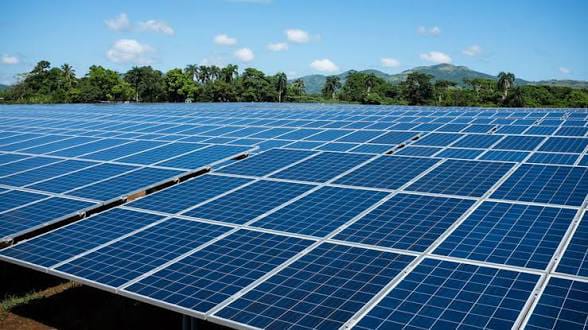
Nigeria has emerged as one of Africa’s fastest-growing solar markets, driven largely by rising electricity tariffs, persistent grid failures and soaring fuel prices. As the cost of running generators continues to climb, households, schools, hospitals and businesses are increasingly investing in solar panels, inverters and battery storage systems as a more sustainable and cost-effective solution.
The shift represents a response to years of structural challenges within Nigeria’s power sector. Despite repeated reforms and significant investments, electricity generation and distribution have struggled to keep pace with the country’s growing population and economic demands. Frequent blackouts have become a normal part of daily life, leaving businesses to shoulder huge operating costs that are often passed on to consumers through higher prices.
Renewable energy is now offering an alternative path. Advances in solar technology, falling equipment costs and the expansion of financing options have made solar installations more accessible than ever before. Local solar companies are recording increased demand, while international investors are showing renewed interest in Nigeria’s renewable energy market, recognising the country’s enormous untapped potential.
Beyond providing electricity, the solar boom presents wider economic opportunities. The growing industry is creating jobs for technicians, engineers, installers and maintenance specialists while encouraging local entrepreneurship in renewable energy services. It also offers the possibility of expanding electricity access to rural communities that remain beyond the reach of the national grid.
Also see: Police Arrests Four Kidnappers, Rescue 35-Year-Old Victim in Rivers
However, sustaining this momentum will require deliberate government action. It is believed by many that supportive policies, affordable financing, tax incentives and investments in local manufacturing could significantly accelerate solar adoption while reducing dependence on imported equipment. Addressing regulatory bottlenecks and improving standards across the industry will also be critical to maintaining consumer confidence.
Nigeria’s growing embrace of solar energy represents a broader shift towards energy resilience, economic diversification and environmental sustainability. While the national grid remains an essential part of the country’s long-term development strategy, renewable energy is increasingly becoming a vital complement rather than a temporary substitute.
The country’s solar boom offers an opportunity to reshape Nigeria’s energy landscape. If properly supported through sound policies and sustained investment, it could become one of the most significant developments in Nigeria’s economic transformation, reducing energy poverty, lowering business costs and bringing reliable electricity closer to millions of Nigerians who have waited far too long for stable power.
