


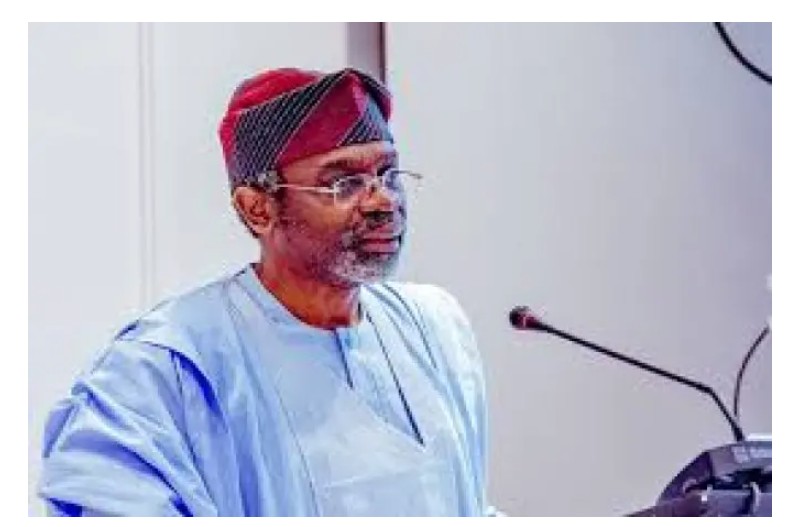
The Federal Government says it remains committed to ensuring that workers’ wages reflect prevailing economic realities, noting that the cost of living continues to skyrocket.
Chief of Staff to the President, Femi Gbajabiamila, who made this known on Thursday June 25 while speaking at the Good Governance Summit 2026 organised by Working People United (WoPU) in Abuja indicated that the government is preparing to reassess the current N70,000 national minimum wage as the amount may no longer be adequate in view of the country’s changing economic conditions.
According to him, the government recognises that the wage approved in 2024 should be reviewed when the time comes.
“This administration has delivered a new national minimum wage. In July 2024 President Bola Tinubu signed into law a minimum wage of N70,000 naira, with more than double the N30,000 naira that workers had endured for years.
The administration also shortened the wage review cycle from five years to three years to allow salaries to be adjusted more frequently” he stated.
Gbajabiamila noted that the administration would engage labour as a partner rather than an opponent during the review process.
“The N70,000 wage, which was a milestone in 2024, must be honestly reassessed against today’s realities, and I can confirm to you that when the time comes to begin the process of reviewing the national minimum wage, this administration will approach that endeavour not as an adversary of labour, but as a partner,” he stated.
He urged organised labour to continue engaging the government through dialogue, saying cooperation would produce better outcomes for both workers and the economy than confrontation.
Also speaking at the summit, the Minister of Labour and Employment, Muhammad Dingyadi said the effectiveness of any government should be measured by how its policies improve the lives of citizens.
” Governance goes beyond policy announcements and should result in decent jobs, higher productivity, stronger social protection and expanded economic opportunities for Nigerians.
“Governance is not merely about policies written in documents or programmes announced from government offices; the true measure of governance is the extent to which policies translate into improved livelihoods, decent work, increased productivity, social protection, economic opportunities, and dignity for the working people,” the minister said.
Earlier, the National Coordinator of Working People United, Williams Akporeha, described Nigerian workers as the foundation of the country’s economy, stressing that sustainable national development depends on their welfare and productivity.
He said the summit brought together workers from different sectors to promote collaboration and develop ideas aimed at strengthening economic growth and improving the wellbeing of Nigerians.
