


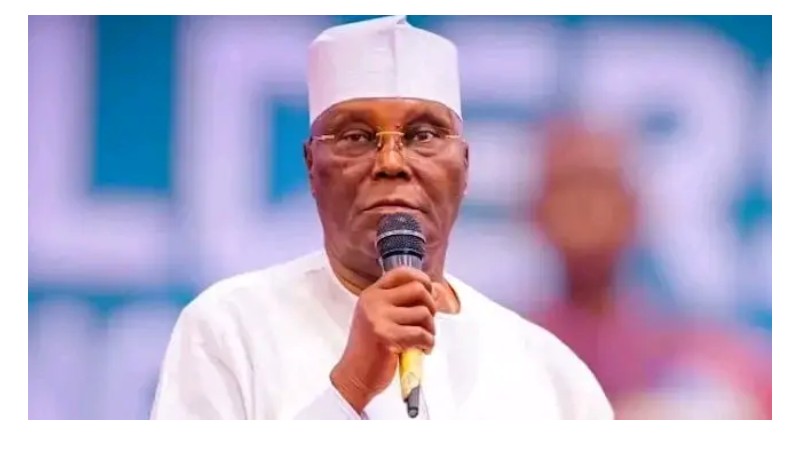
Nigerian’s former Vice President Alhaji Atiku Abubakar has presented to the screening committee of the African Democratic Congress, ADC in Abuja what he described as a comprehensive framework aimed at reviving Nigeria’s economy and improving national security ahead of the 2027 election cycle.
While making the presentation during his appearance before the committee on Wednesday 20 May, Alhaji Atiku said Nigeria required urgent and structured reforms to address rising economic pressure, declining investor confidence, and worsening insecurity across several regions of the country.
He explained that his economic direction would prioritise job creation, strengthening of private sector participation, fiscal responsibility, and policies designed to stabilise key macroeconomic indicators.
The former vice president maintained that a predictable policy environment was essential to restoring growth and attracting both local and foreign investment.
On security, he expressed concern over continued attacks by armed groups and criminal networks operating in different parts of the country.
Alhaji Atiku called for a more coordinated national response that would rely heavily on intelligence gathering, improved collaboration among security agencies, and structural reforms to make security operations more effective.
He also supported the idea of decentralised policing, arguing that security management should be closer to local communities to ensure faster and more effective responses to threats.
According to him, strong political will and consistent leadership would be required to address the scale of insecurity facing the country.
He further stressed that Nigeria was at a decisive moment that demanded experienced leadership capable of making difficult but necessary policy choices in the national interest.
Alhaji Atiku also reiterated his commitment to national unity, economic stability, and long-term development, saying his proposals were aimed at repositioning the country for sustainable growth and improved living conditions.
He noted that political actors must focus on practical solutions rather than rhetoric as preparations intensify for the 2027 general elections, with growing alignments and strategic consultations shaping the opposition landscape.
