


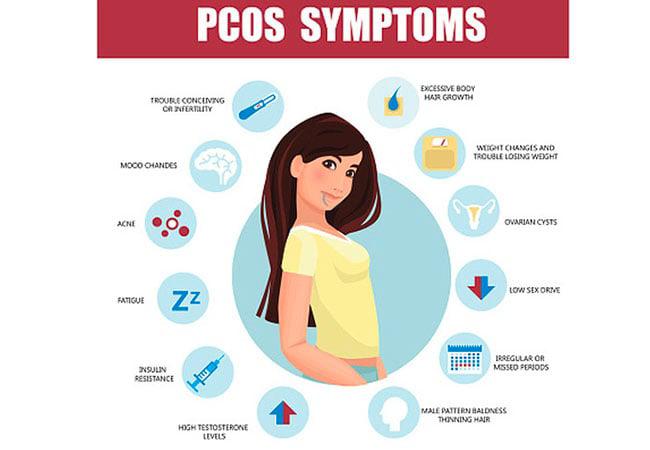
A major change has been introduced in women’s healthcare as the medical condition formerly known as Polycystic Ovary Syndrome (PCOS) has officially been renamed Polyendocrine Metabolic Ovarian Syndrome (PMOS).
The condition, which affects roughly one in eight women globally, is linked to hormonal imbalance, reproductive challenges, metabolism, mental health issues, skin problems and weight management.
The decision followed an extensive international review involving over 50 medical and patient advocacy organisations, including the Endocrine Society.
According to a statement released by the organisation, experts explained that the previous name created confusion by focusing mainly on ovarian cysts, even though many patients do not develop abnormal cysts.
The renaming initiative was spearheaded by Professor Helena Teede of Monash University and Monash Health. She noted that the old terminology contributed to poor awareness, delayed diagnosis and inadequate treatment for many women.
Also see: Fire outbreak in Bille From Long-Standing Gas Leak
Teede explained that recent studies confirmed the condition is far more complex than previously understood, affecting several body systems beyond the ovaries.
The findings were published in The Lancet after 14 years of collaboration among researchers, clinicians and women living with the condition. More than 22,000 survey responses and international workshops contributed to the process.
Experts said the transition to the new name will take place over three years, alongside a global awareness campaign targeting healthcare workers, governments and patients before full adoption in the 2028 international guideline update.
Professor Terhi Piltonen added that cultural sensitivity was carefully considered to avoid terms that could increase stigma in some societies.
Patient advocates welcomed the change, describing it as a significant step toward better understanding, improved healthcare and stronger global recognition of the condition.
