

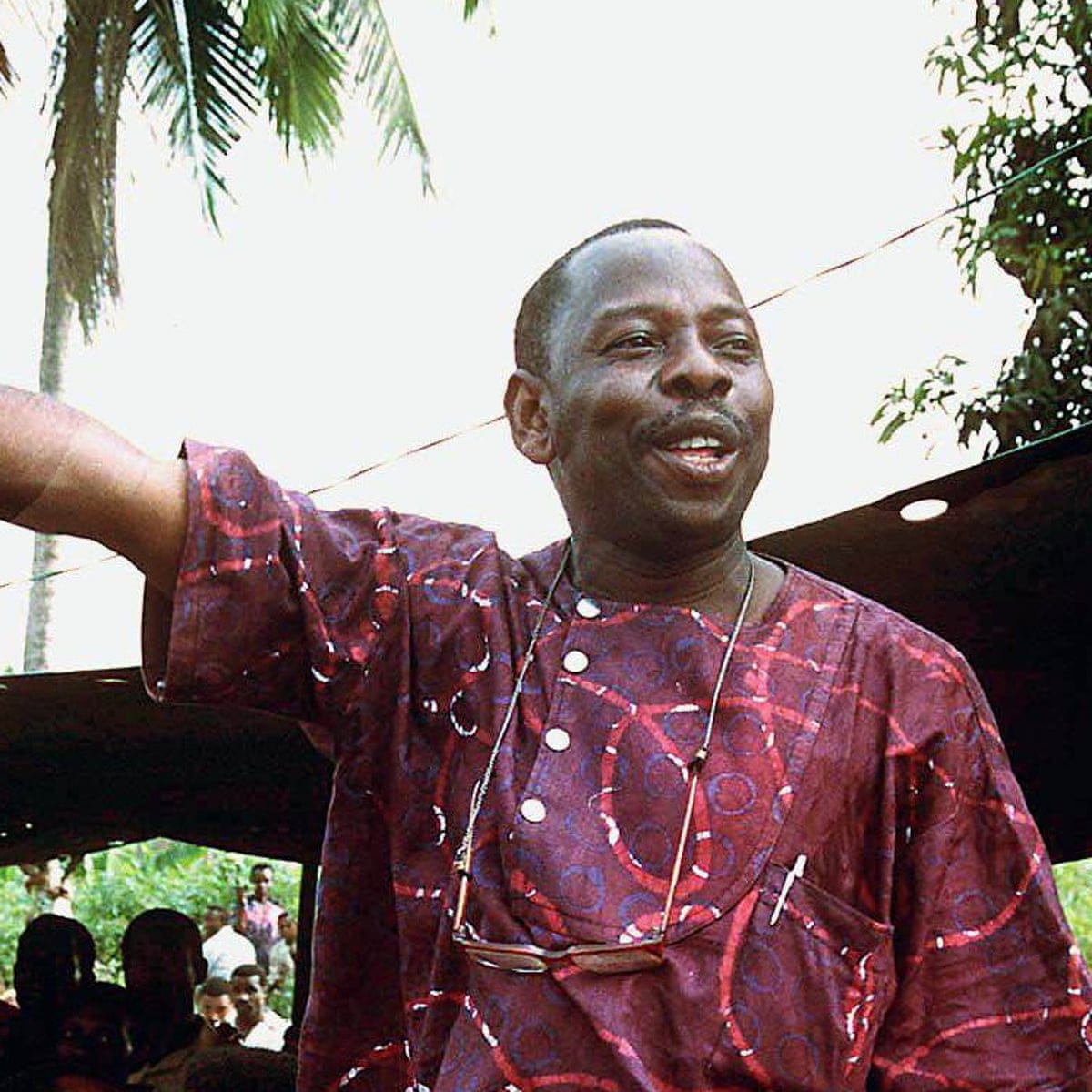
Port Harcourt is set to observe the 31st anniversary of the execution of Ken Saro-Wiwa and eight other Ogoni activists with a remembrance event scheduled for tonight, 9 November 2026, on Aggrey Road in Port Harcourt Township.
The event, titled the Ken Saro-Wiwa Remembrance Legacy Night, is organised by the League of Ogoni Entertainers Concept. It precedes the official Martyrs Day commemoration on 10 November, which is coordinated by the Movement for the Survival of the Ogoni People.
The theme for this year’s commemoration is No Bori State, No Oil Resumption in Ogoniland, reflecting ongoing concerns within Ogoni communities regarding political representation and the proposed resumption of oil production in the area.
Kenule Beeson Saro-Wiwa was born on 10 October 1941 in Bori, Rivers State. He was a writer, teacher, television producer and activist. He is widely known for creating the television series Basi and Company and for authoring the novel Sozaboy: A Novel in Rotten English. He studied English at the University of Ibadan and previously served as Civilian Administrator for Bonny and as Rivers State Commissioner for Education.
In August 1990, Saro-Wiwa and Ogoni elders presented the Ogoni Bill of Rights to the Federal Government of Nigeria. The document called for political control of Ogoni affairs by Ogoni people, control and use of Ogoni economic resources for Ogoni development, adequate representation in national institutions, and protection of the Ogoni environment from further degradation.
Saro-Wiwa subsequently led the Movement for the Survival of the Ogoni People, a non-violent campaign focused on environmental justice in the Niger Delta. On 4 January 1993, the movement organised a large peaceful protest in Ogoniland, with estimates placing attendance at approximately 300,000 people. Shell Petroleum Development Company withdrew its staff from Ogoniland later that year.
On 21 May 1994, four Ogoni chiefs, Chief Edward Kobani, Albert Badey, Theophilus Orage and Samuel Orage, were murdered at Giokoo in Gokana. Saro-Wiwa, who had been denied entry to Ogoniland on the day of the incident, was arrested and charged with inciting the murders. He denied the charges.
Saro-Wiwa and eight other leaders were tried by a special military tribunal established by the military government of General Sani Abacha. The trial was criticised by international observers, Amnesty International and Human Rights Watch as lacking fairness.
On 10 November 1995, Saro-Wiwa and the eight others were executed by hanging at Port Harcourt Prison. The group became known as the Ogoni Nine. The other members were Saturday Dobee, Nordu Eawo, Daniel Gbooko, Paul Levera, Felix Nuate, Baribor Bera, Barinem Kiobel and John Kpuine. Nigeria was suspended from the Commonwealth the following day.
In 2009, Shell paid 15.5 million dollars in an out-of-court settlement to resolve a lawsuit brought on behalf of members of Saro-Wiwa’s family and others. Shell denied wrongdoing.
In August 2011, the United Nations Environment Programme released its Environmental Assessment of Ogoniland. The report found significant contamination of soil and drinking water, including benzene levels in some communities at more than 900 times the World Health Organization guideline, and estimated that clean-up could take 25 to 30 years at an initial cost of one billion dollars. The Federal Government established the Hydrocarbon Pollution Remediation Project to implement the recommendations, with substantive work commencing in 2016.
On 12 June 2025, President Bola Tinubu granted a posthumous pardon to Saro-Wiwa and the other Ogoni Nine and conferred on Saro-Wiwa the national honour of Commander of the Order of the Niger.
The League of Ogoni Entertainers Concept has stated that it has largely funded the annual Candle Night from members’ contributions and has appealed to MOSOP and other Ogoni organisations for greater support and recognition. The programme is expected to feature performances by Ogoni artists, including Pop Queen, Roarhillz, Lagbosay and Mr Dontan.
