


Nigeria and three other African countries are set to benefit from €2.3 million in emergency humanitarian assistance approved by the European Commission to support efforts to contain the ongoing cholera outbreak across West and Central Africa.
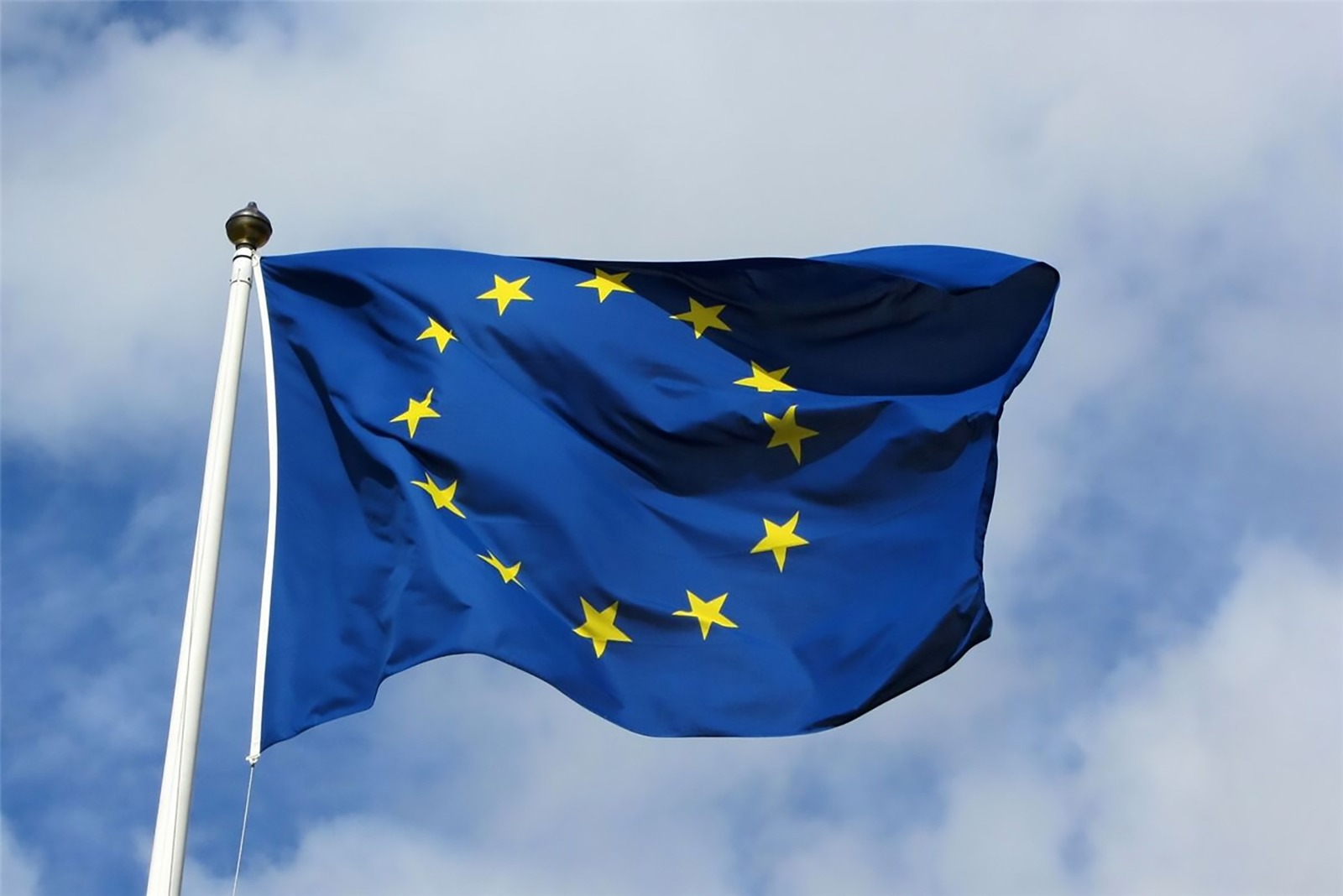
The European Union (EU) Delegation to Nigeria and the Economic Community of West African States (ECOWAS) announced the funding in a statement on Monday.
The intervention follows growing concerns over the spread of cholera across the continent, with the World Health Organisation (WHO) reporting more than 61,000 cases in the African region within the first five months of 2026.
Nigeria will receive the largest share of the emergency package, with €1.5 million allocated to strengthen its response to the outbreak.
According to the EU, the funding will support the deployment of additional response teams and the provision of essential supplies, including cholera kits. It will also finance water, sanitation and hygiene interventions, such as the treatment of public water points and household water, to help prevent further transmission.
The Nigerian component will also strengthen epidemiological surveillance in hard-to-reach areas, improve case management and support risk communication and community sensitisation.
The remaining €800,000 will be shared among Cameroon, the Central African Republic and Chad.
Read Also: nard-proposes-48-hour-work-week-limits-doctors-calls-to-two-weekly
Cameroon will receive €100,000 for outbreak containment and case management, including the deployment of humanitarian personnel, procurement of essential medicines and establishment of additional cholera treatment units and oral rehydration points.
The Central African Republic will receive €500,000 to scale up case management and vaccination, alongside water, sanitation and hygiene interventions. The funding will also support risk communication, community engagement, surveillance, case detection and safe burials.
Chad will receive €200,000 to improve access to clean water, sanitation and hygiene facilities while strengthening community-based surveillance and case management.
EU Commissioner for Preparedness and Crisis Management, Hadja Lahbib, said cholera remained a serious threat despite being preventable and treatable, particularly in communities with limited access to safe water and healthcare.
She said the EU would continue supporting vulnerable communities despite growing humanitarian needs and limited resources.
The intervention is expected to bolster efforts by health authorities and humanitarian organisations to contain cholera outbreaks, expand access to treatment and reduce the risk of further transmission across the affected countries.
