


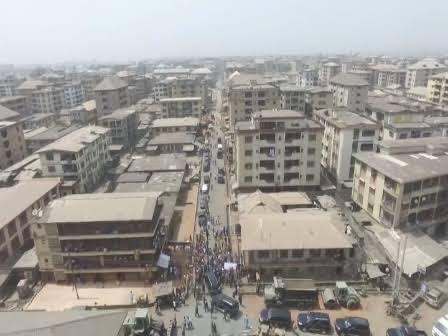
In Port Harcourt, finding affordable accommodation has become increasingly difficult. Across the city, tenants are facing sharp rent increases, with some landlords demanding nearly double what they charged just a few years ago.
One major factor behind the rising cost of rent is inflation. The prices of building materials such as cement, iron rods, roofing sheets, tiles, and electrical fittings have increased significantly in recent years. Property developers and landlords argue that the higher cost of constructing and maintaining buildings has forced them to adjust rental prices to recover their investments.
Population growth is another contributing factor. Port Harcourt remains one of Nigeria’s key economic hubs, attracting workers, students, entrepreneurs, and businesses from across the country. As demand for housing continues to outpace supply, landlords naturally have greater leverage to increase rents, especially in high-demand neighbourhoods close to business districts and educational institutions.
However, beyond the rising cost of rent itself lies another issue that has sparked widespread frustration among tenants—the soaring agency fee. Traditionally, prospective tenants paid an agency fee of about 10 percent of the annual rent. Today, in many parts of Port Harcourt, that fee has climbed to 20 percent, effectively doubling the financial burden on people already struggling to secure accommodation.
For instance, a tenant renting an apartment for ₦1 million would have previously paid ₦100,000 as an agency fee. Today, that same tenant may be required to pay ₦200,000, excluding legal fees, caution deposits, agreement fees, and other miscellaneous charges. In some cases, the total amount demanded before collecting the keys exceeds 40 or 50 percent of the annual rent, making it nearly impossible for many low- and middle-income earners to afford decent housing.
Even more troubling is the growing practice where some landlords insist that tenants pay agency fees even when no estate agent was involved in securing the apartment. Many prospective tenants say they personally discovered vacant apartments through friends, family members, social media, or by simply seeing “To Let” signs on buildings. Despite finding the property themselves, they are still compelled to pay an agency commission before they can rent the apartment. This has led many residents to question the justification for charging an agency fee when no agency service was actually rendered.
Supporters of the practice argue that some landlords have standing agreements with property managers or agents to oversee their properties. However, many tenants believe it is unfair to transfer those business costs entirely to renters, particularly when the tenant neither contacted nor benefited from the services of an agent.
The impact of these rising costs extends far beyond housing. Young graduates are postponing plans to live independently, newly married couples are delaying moving into their own homes, and many workers are forced to relocate to distant communities where accommodation is cheaper. The result is longer commuting times, higher transportation costs, and increased financial pressure on already stretched household budgets.
Addressing the housing challenge requires more than building additional houses. There is also a need for greater transparency and fairness in the rental market. Relevant government agencies and professional bodies regulating estate practice should review the growing complaints about agency charges, establish clear guidelines where necessary, and protect both landlords and tenants from exploitative practices. Legitimate estate professionals deserve fair compensation for their services, but tenants should not be made to pay for services they never received.
Landlords also have a responsibility to balance profitability with fairness. While property owners are entitled to earn returns on their investments, excessive charges and unnecessary fees only make housing less accessible for ordinary residents.
Port Harcourt’s growth is a sign of its economic importance, but development should not come at the expense of affordable living. If the city is to remain attractive to workers, investors, students, and families, ensuring access to decent and reasonably priced housing must become a priority.
The question is no longer whether rents are rising; it is whether the average resident can still afford to call Port Harcourt home.
