


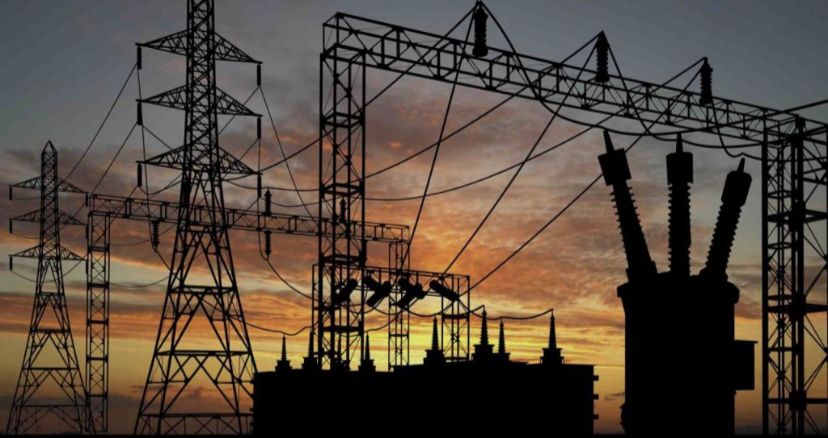
Nigeria’s electricity grid continues to struggle with inadequate power supply from generation companies.
In April 2026, only 10 power plants produced about 81 per cent of the country’s total electricity, according to data from the Nigerian Electricity Regulatory Commission (NERC).
The latest NERC operational report shows that just 4,286 megawatts (MW) out of the total installed capacity of 13,625 MW were available for use. This represents a low plant availability rate of 31 per cent. As a result, nearly 69 per cent of the country’s generation capacity stayed idle during the period.
Despite the limited available power, the sector achieved an average hourly generation of 4,048 megawatt-hours per hour. Power plants that operated did so at a high load factor of 94 per cent, which means they ran close to full capacity when online.
The national grid operated outside approved technical limits in April. Voltage levels averaged 302.60 kilovolts, below the required minimum of 313.50kV, while the upper limit reached 353.40kV. Frequency also fluctuated between 49.20Hz and 50.76Hz. Experts note that such instability often leads to system collapses and damages equipment.
Egbin Power Plant remained the top contributor to national output. Hydro plants such as Kainji and Jebba recorded strong performance with load factors above 90 per cent. Ihovbor Power Plant achieved 100 per cent availability, and Zungeru Hydroelectric Power Plant showed high utilisation.
However, many gas-fired plants performed poorly. Facilities like Olorunsogo-2, Afam-1, and Sapele Steam Plant recorded very low or zero output. Plants including Alaoji, Ibom Power, and Rivers IPP generated no electricity at all.
The report points to deep structural problems in the power sector. These include gas supply shortages, old infrastructure, transmission constraints, and liquidity issues. Industry analysts say available generation still falls far below the national demand of over 30,000MW.
Without major investments in generation, transmission, and gas infrastructure, Nigeria’s power challenges are expected to continue
